







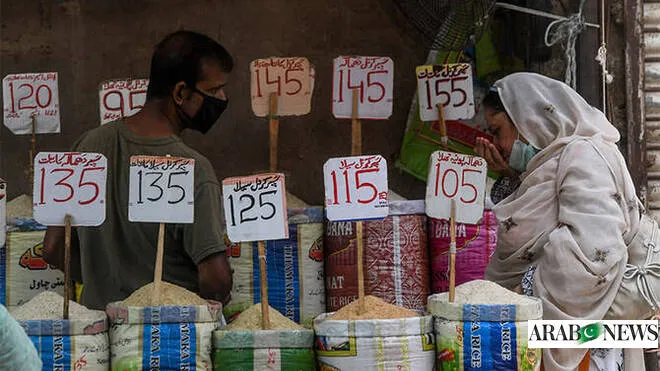
In recent years, Pakistan’s economy has been characterized by instability, marked by high inflation rates and a heavy reliance on imported energy. As of March 2026, the Consumer Price Index (CPI) inflation stood at 7.3 percent year-on-year, reflecting a challenging economic environment. The country’s dependence on financial inflows from the Gulf and its vulnerability to fluctuations in global energy prices have compounded these issues, leading to a fragile economic situation.
However, a decisive moment occurred in April 2026, as inflation is projected to accelerate to between 11 percent and 11.5 percent year-on-year. This surge is largely attributed to significant increases in fuel prices, with petrol rising nearly 18 percent and high-speed diesel experiencing a staggering increase of more than 50 percent. These developments have heightened concerns among the Pakistani populace regarding the cost of living and economic stability.
Despite these economic challenges, Pakistan has recently made headlines for its diplomatic role in the region. The Islamabad talks, which involved direct discussions between senior officials from the United States and Iran, marked the first high-level face-to-face engagement between the two nations since 1979. Pakistan’s involvement in facilitating these talks has been recognized as a significant diplomatic achievement, enhancing its image as a credible intermediary in international relations.
Caitlin Doornbos, a prominent journalist, highlighted the warmth and hospitality of the Pakistani people during her visit, noting, “Breakfast so far is my favorite! The hospitality of Pakistanis is so warm — more welcoming than I believe I’ve ever experienced.” This sentiment reflects a positive aspect of Pakistan’s cultural identity, even amidst economic turmoil.
The direct engagement between the US and Iran, enabled by Pakistan, has been described as a breakthrough in restoring a long-dormant diplomatic channel. An anonymous expert remarked, “The first breakthrough is not always a signed deal; sometimes it is simply getting both sides to sit down in the same room and begin speaking again.” This perspective underscores the importance of dialogue in international relations, particularly in a region fraught with tension.
As Pakistan navigates its economic difficulties, the diplomatic success achieved through the Islamabad talks could provide a platform for enhancing its geopolitical standing. By enabling direct engagement after nearly five decades of estrangement, Islamabad has helped restore a diplomatic channel that had long been dormant. This shift may have implications for Pakistan’s foreign policy and its role in regional stability.
In summary, while Pakistan grapples with rising inflation and fuel prices, its recent diplomatic achievements signal a potential shift in its international relations landscape. The recognition of Pakistan’s role in the US-Iran talks may offer opportunities for the country to bolster its economic and political standing in the region.