









Key moments
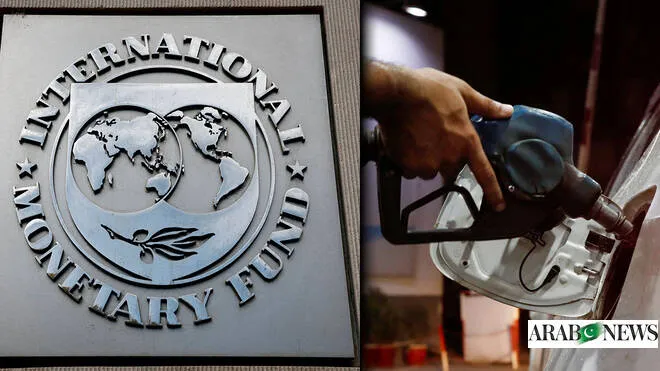
Pakistan is currently engaged in negotiations with the International Monetary Fund (IMF) to address pressing economic challenges, particularly concerning fuel levies. Prime Minister Shehbaz Sharif has directed the finance ministry to engage with the IMF on removing these levies, which have recently contributed to increased consumer prices.
In recent developments, Pakistan raised petrol and diesel prices by Rs55 ($0.20) per liter last month, a move that has drawn public concern. The government has spent approximately Rs130 billion ($466 million) to stabilize fuel prices, but the IMF has set conditions that require Pakistan to limit fuel-related subsidies to under Rs150 billion ($540 million).
Amid these discussions, the IMF has introduced a new condition requiring Pakistan to reform the appointment process of the National Accountability Bureau (NAB) chairman. The government has assured the IMF that it will strengthen NAB’s autonomy and transparency through a revised, merit-based selection process. This commitment is part of a broader effort to enhance governance and accountability within the country.
Furthermore, the IMF has allowed Pakistan to allocate Rs830 billion for power subsidies in the new budget, which is critical for addressing the financial viability of the power sector. However, the IMF has also imposed a condition to increase electricity prices in January 2027, citing the need for annual price adjustments. The government has committed to ensuring the power sector’s financial viability through timely tariff increases that recover costs and prevent a recurrence of circular debt.
Pakistan’s economic situation is further complicated by external factors, including the ongoing conflict involving the United States, Israel, and Iran, which has contributed to the country’s economic fallout. As Pakistan navigates these challenges, the government is under pressure to implement reforms that will satisfy the IMF’s requirements while also addressing the needs of its citizens.
In light of these developments, unnamed government sources have indicated that the government is committed to ensuring that the power sector remains financially viable, which is crucial for maintaining stability in the energy market. The government’s approach reflects a balancing act between meeting IMF conditions and protecting consumer interests.
As negotiations continue, the reactions from various stakeholders remain mixed. While some express optimism about the potential for economic reform, others are concerned about the implications of increased fuel prices and electricity tariffs on everyday life. Details remain unconfirmed as the situation evolves.
In summary, Pakistan’s ongoing discussions with the IMF highlight the complexities of managing economic reform in a challenging environment. The outcomes of these negotiations will have significant implications for the country’s economic future and the well-being of its citizens.