









Introduction
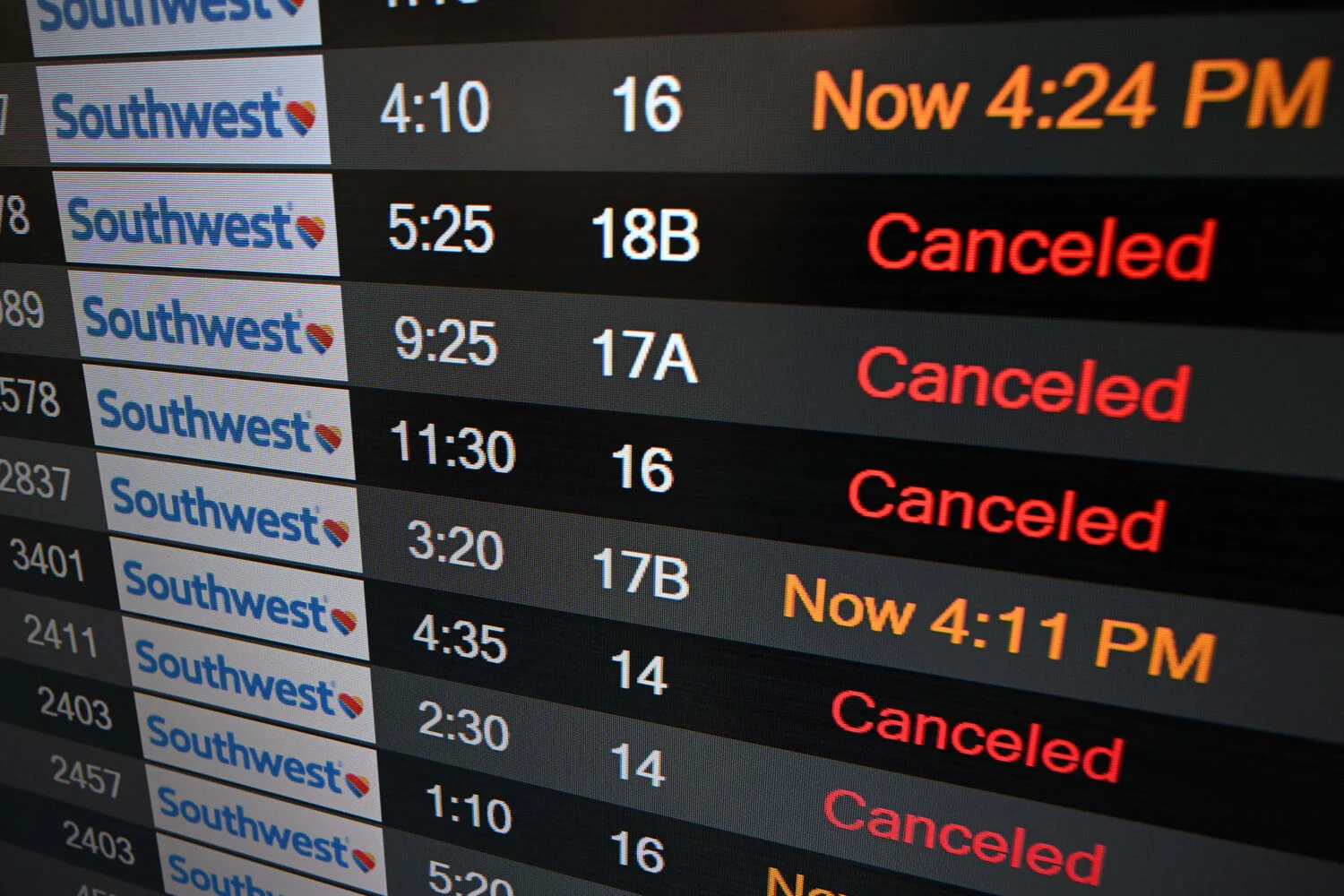
The cancellation of flights across Europe has become a pressing issue for travellers and the aviation industry alike. In recent weeks, increasing numbers of flights have been scrapped due to a combination of adverse weather conditions, staffing shortages, and rising operational costs. With the travel season in full swing, understanding the factors behind these cancellations is vital for passengers looking to navigate the uncertainties of air travel in Europe.
Recent Events Leading to Cancellations
As autumn approaches, European airports are grappling with severe disruptions. The European Organisation for the Safety of Air Navigation (Eurocontrol) reported that air traffic is running at approximately 90% of pre-pandemic levels, but this surge has not been met with adequate staffing or resources. Major hubs like London Heathrow, Paris Charles de Gaulle, and Frankfurt have seen the highest incidence of cancellations affecting thousands of passengers.
Weather conditions have further exacerbated the situation, particularly with unexpected storms and heavy rainfall impacting flight schedules. In addition, strikes by airport staff and airline personnel over pay and working conditions have led to significant disruptions in many countries.
Impacts on Passengers
The consequences for passengers have been significant. Many are finding themselves stranded or facing long delays, with airlines often unable to provide timely information. Travel advisory groups have warned passengers to prepare for longer wait times and potential re-routing.
Airlines such as Ryanair and British Airways have issued statements of apology and have implemented measures to mitigate the disruption, including enhanced compensation polices. However, the sheer volume of flights cancelled means that backlogs are likely to continue into the autumn.
Looking Ahead
Looking forward, travel experts advise passengers to remain updated on their flight statuses and consider purchasing flexible tickets that allow for changes without penalties. Airports are predicting that while disruptions may persist, especially during peak travel weekends, they are working diligently to increase staffing levels and streamline operations.
Ultimately, the flight cancellations across Europe highlight not only the ongoing challenges within the aviation sector but also the need for passengers to stay informed and prepared as conditions evolve. In a rapidly changing travel landscape, awareness of organisational efforts to counter these problems will be crucial for ensuring a smoother travel experience in the coming months.