






Introduction
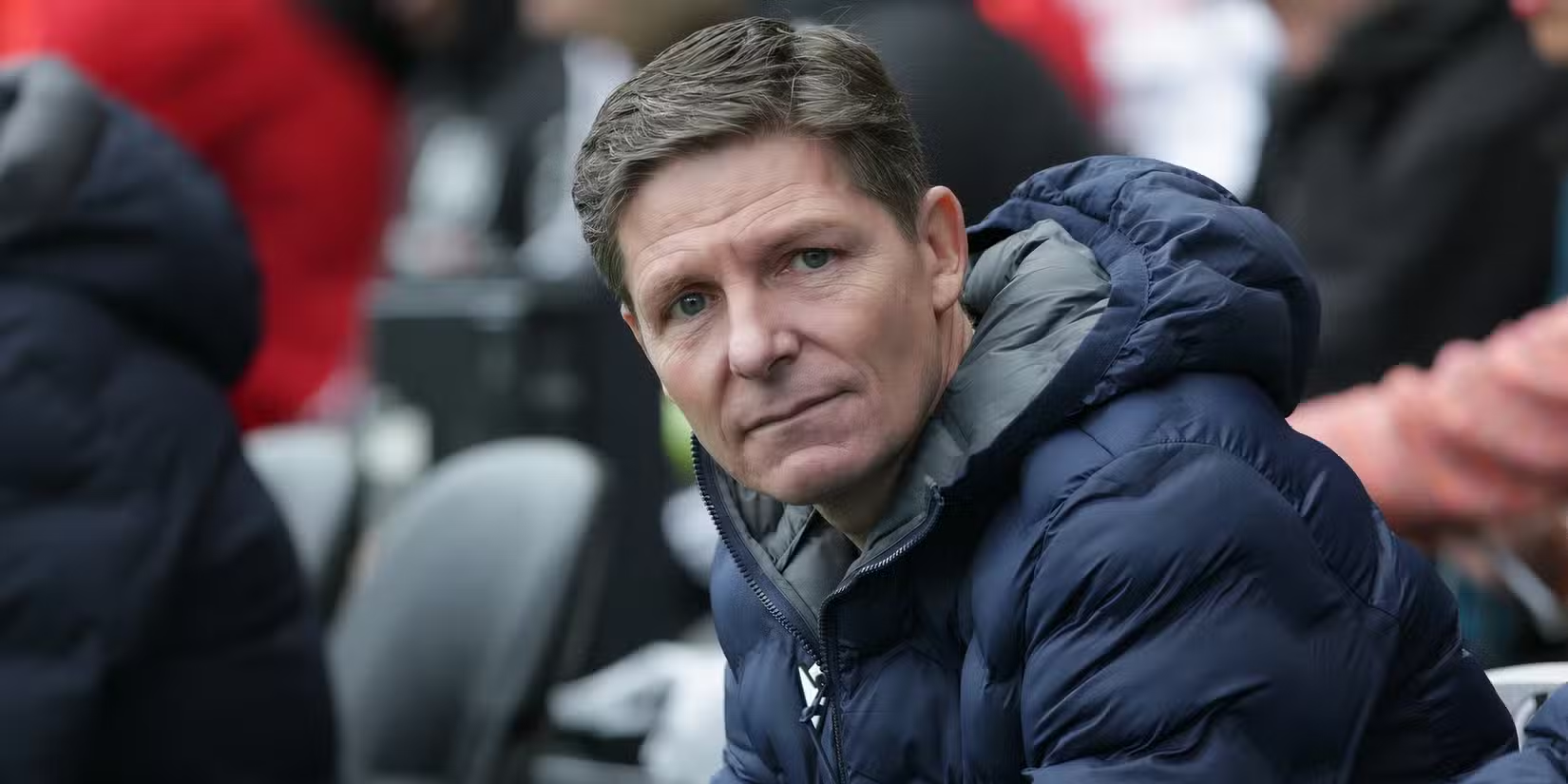
The appointment of Oliver Glasner as Manchester United’s new manager has generated significant interest in the football world. Known for his tactical acumen and ability to improve team performance, Glasner’s arrival at Old Trafford marks a pivotal moment for a club that has been seeking stability since the departure of Ole Gunnar Solskjær. With the Premier League continually evolving, having a skilled manager at the helm is crucial in maintaining a competitive edge in both domestic and European competitions.
Background on Oliver Glasner
Oliver Glasner, the former manager of German club Eintracht Frankfurt, achieved notable success during his tenure. He led the team to victory in the UEFA Europa League in 2022, showcasing his capability to compete on the European stage. Prior to Eintracht, Glasner managed Austria Wien and LASK Linz, where he garnered attention for implementing a high-pressing style of play and developing young talents. His coaching philosophy emphasises teamwork, tactical flexibility, and a strong defensive structure, which aligns well with Manchester United’s ambition to return to the top tier of English football.
Significant Changes Ahead
With Glasner now at the helm, Manchester United is expected to undergo a tactical transformation. According to sources close to the club, he is keen on integrating an attacking philosophy while ensuring defensive solidity. The club’s recent struggles in the league have highlighted the need for a more cohesive strategy, and Glasner’s proven track record offers hope for fans yearning for success. His ability to adapt to the strengths of players like Bruno Fernandes and Marcus Rashford will be crucial in reinvigorating United’s performance on the pitch.
The Future of Manchester United
The impact of Glasner’s management style is not only limited to match-day tactics but also extends to the development of a winning culture within the club. The expectation is that under Glasner’s guidance, player morale and engagement will improve, resulting in better performances. As the club works to strengthen its squad in the upcoming transfer windows, Glasner’s insights will likely shape key recruitment decisions aimed at a swift return to glory.
Conclusion
Oliver Glasner’s appointment presents both a challenge and an opportunity for Manchester United. As the club looks to restore its former glory, the success of Glasner’s management will ultimately depend on his ability to foster a strong team dynamic and implement an effective playing strategy. If Galser can harness the club’s rich talent pool and re-establish a competitive spirit, Manchester United fans may soon witness a resurgence on the pitch that has been long awaited.