









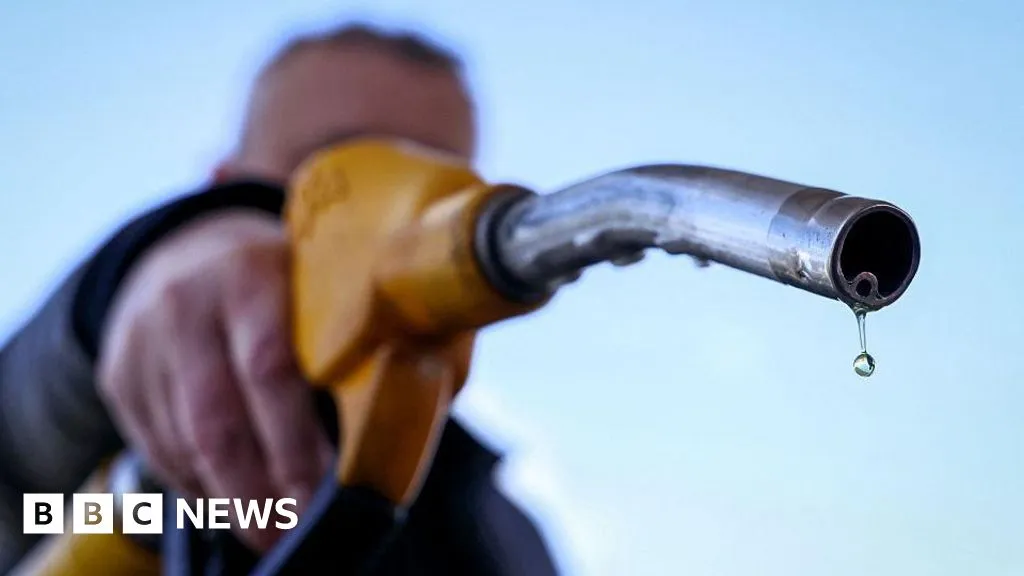
What is driving the current fluctuation in oil prices today?
Oil prices today have experienced a notable decline, with Brent crude trading at $89.31 per barrel, down 9.75%, and West Texas Intermediate (WTI) falling to $85.90, a decrease of 9.36% on the session. This volatility raises questions about the underlying factors influencing these changes.
Recent events have contributed to this downturn. Oil prices surged above $100 per barrel for the first time since Russia’s 2022 invasion of Ukraine, prompting a reevaluation of market dynamics. In response to these price fluctuations, several oil-producing nations have begun cutting production.
Iraq has notably reduced output at its main southern oilfields by 70%, bringing production down to approximately 1.3 million barrels per day. Similarly, Kuwait Petroleum Corporation has initiated production cuts and declared force majeure, while Saudi Arabia has also started trimming its output.
In addition to these production cuts, geopolitical tensions continue to play a significant role in shaping oil prices. Iran, for instance, exports an average of 1.6 million barrels of crude oil per day, and prior to recent disruptions, over 14 million barrels of crude flowed through the Strait of Hormuz daily, a critical global trade route.
Market analysts are closely monitoring these developments. Tony Sycamore has indicated that, considering the events of the past 24 hours, crude oil is expected to remain highly volatile, potentially trading within a wide range between $75 and $105 in the sessions ahead.
Details remain unconfirmed regarding how Iran will react if there were a cessation of attacks from the U.S., which could further impact oil supply and prices. Additionally, the duration of the current price volatility remains uncertain, leaving stakeholders in the oil market on alert.
As the situation evolves, the interplay of production decisions by key oil-producing nations and geopolitical developments will continue to shape the landscape of oil prices today.