






What the data shows
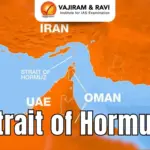
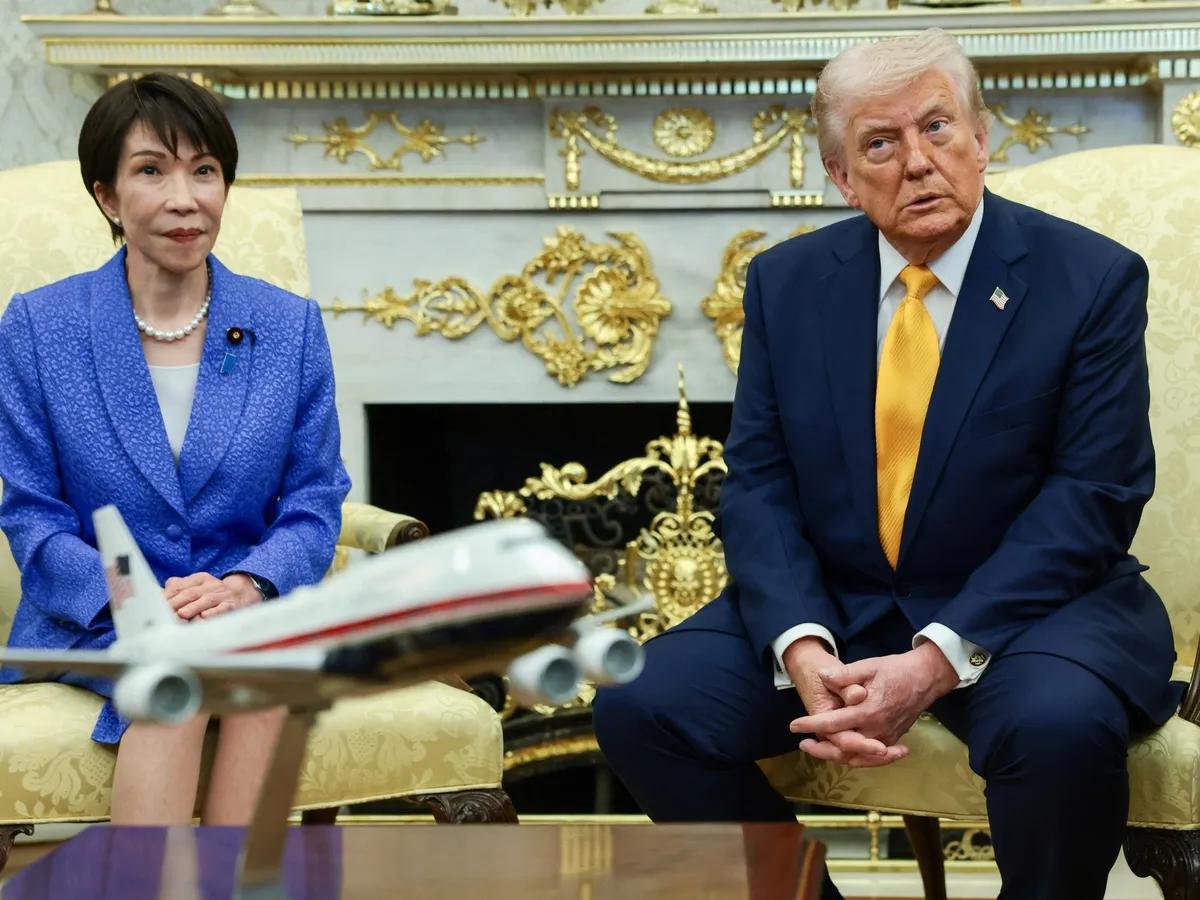
What responsibilities do Japan and the US share in securing the Strait of Hormuz amid escalating tensions with Iran? In a recent meeting in the Oval Office, President Donald Trump urged Japanese Prime Minister Sanae Takaichi to assist in safeguarding this critical maritime route, which is vital for global oil trade.
Trump’s call for support comes as Iran has largely shut down traffic through the Strait of Hormuz, leading to a significant spike in oil prices worldwide. Nearly a fifth of the world’s oil supply passes through this narrow passage, making its security paramount for the global economy. During the meeting, Trump referenced Pearl Harbor, stating, “We wanted surprise. Who knows better about surprise than Japan, OK? Why didn’t you tell me about Pearl Harbor?” This remark underscores the historical context of US-Japan relations and the ongoing military dynamics in the region.
In response to the situation, Takaichi condemned Iran’s actions and expressed her concerns about the economic repercussions of the conflict. She stated, “The global economy is about to experience a huge hit because of this development.” This highlights the interconnectedness of military actions and economic stability, particularly in regions heavily reliant on oil exports.
Trump has indicated that Iran is on the verge of defeat despite ongoing conflicts, suggesting a potential shift in the balance of power in the region. He emphasized that other countries, including Japan, share the responsibility of securing the Strait of Hormuz. However, the exact nature of the coalition Trump seeks to form remains undefined, leaving many questions about the future of international military cooperation in this area.
Details remain unconfirmed regarding the specific efforts Japan and European nations might undertake to help reopen the Strait of Hormuz. The US has sought approximately $200 billion in military funding to address the ongoing conflict with Iran, indicating the scale of the situation and the potential for increased military involvement.
While the US imposed a pacifist constitution on Japan after World War II, limiting its military actions, the current geopolitical climate may necessitate a reevaluation of these constraints. As tensions rise, the role of Japan in international military operations could evolve, particularly in response to threats posed by Iran.
As the situation develops, the international community will be watching closely to see how Japan and its allies respond to the challenges posed by Iran’s actions in the Strait of Hormuz. The implications of these developments will likely have far-reaching effects on global oil markets and international relations.