








Before the recent announcement, the government of Pakistan had previously rejected proposals to increase fuel prices, asserting that it would absorb an additional burden of around Rs56 billion. However, on April 2, 2026, the situation changed dramatically with a steep increase in petroleum prices.
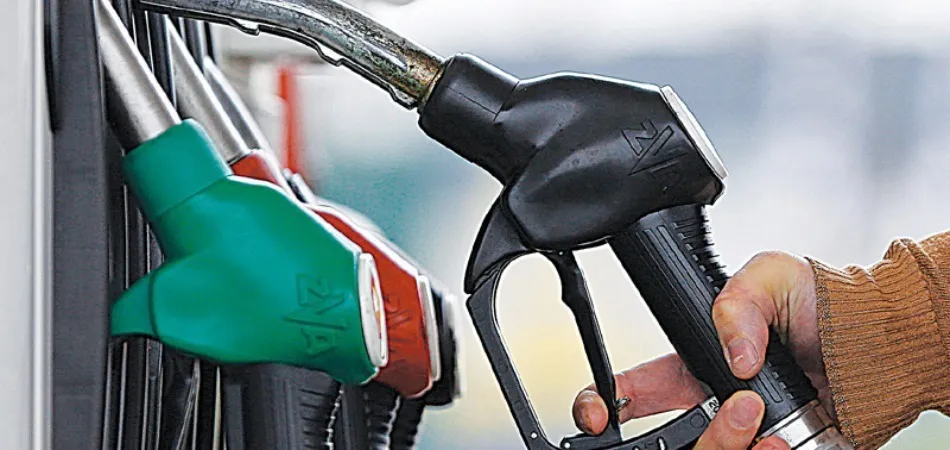
The new petrol price has been raised by Rs137 per litre, bringing it to Rs458.40 per litre. Similarly, high-speed diesel prices have increased by Rs184 per litre, now costing Rs520.35 per litre. This marks the second fuel price hike in less than a month, following an earlier increase of Rs55 per litre on March 6.
The government attributed this increase to rising international oil prices, which have been influenced by ongoing geopolitical tensions in the Middle East. As a result, the new petrol price reflects the continued volatility in international energy markets.
In response to the rising costs, the government has announced a targeted subsidy program aimed at cushioning the impact of higher fuel prices on vulnerable groups. Motorbike users will receive a subsidy of Rs100 per liter, capped at 20 liters per month, for an initial period of three months.
Small farmers will benefit from a one-time subsidy of Rs1,500 per acre to help offset the higher diesel costs during the harvesting season. Additionally, freight trucks will receive subsidies of up to Rs70,000 per month, while larger transport vehicles will receive Rs80,000, and public passenger buses will receive Rs100,000 per month.
Petroleum Minister Ali Pervaiz Malik stated, “The decision that has been taken today is that as per international markets, after the increase in the price of petrol, the new price Rs458.40 [per liter] will be implemented from tomorrow [Friday].” This announcement has raised concerns among consumers and transport operators alike.
Finance Minister Muhammad Aurangzeb emphasized the importance of the targeted subsidy program, saying, “We are announcing a targeted subsidy program… it should not be blanket relief, it should reach those levels that are really worthy of it.” This indicates a shift towards more focused assistance rather than widespread financial relief.
The increase in fuel prices is expected to have direct effects on transportation costs, which may subsequently impact the prices of goods and services across various sectors. The government has increased fuel rates in four out of the last six fuel price reviews, indicating a trend that may continue as international oil prices fluctuate.
As the situation develops, consumers and businesses will be closely monitoring the implications of these new petrol prices and the effectiveness of the government’s subsidy measures.