







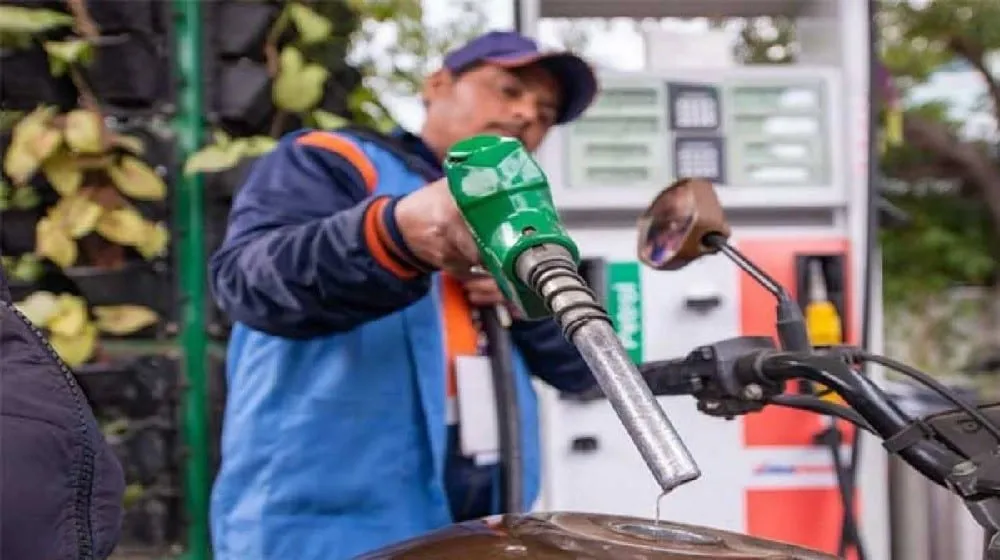
“The decision that has been taken today is that as per international markets, after the increase in the price of petrol, the new price Rs458.40 [per liter] will be implemented from tomorrow [Friday].” This statement from Petroleum Minister Ali Pervaiz Malik marks a significant moment in Pakistan’s fuel pricing history, as the country grapples with soaring oil prices on the global market.
The recent announcement reveals that the price of petrol has increased by Rs. 137.23 per litre, bringing the new price to Rs. 458.40 per litre. Additionally, the price of high-speed diesel (HSD) has risen by Rs. 184.49, now costing Rs. 520.35 per litre. These adjustments reflect the highest rates in the country’s history, a situation exacerbated by the volatility in global oil markets.
Pakistan’s reliance on imported oil is significant, with nearly 90 percent of its oil sourced from markets in Dubai and Oman. The current international scenario has seen diesel prices in these markets cross $250 per barrel, contributing to the steep increases in domestic fuel prices.
In response to the rising costs, the government has announced a targeted subsidy program aimed at assisting vulnerable groups. Finance Minister Muhammad Aurangzeb stated, “We are announcing a targeted subsidy program… it should not be blanket relief, it should reach those levels that are really worthy of it.” This initiative is designed to provide some relief to those most affected by the price hikes.
Specific subsidies include Rs. 100 per litre for motorbike users for up to 20 litres per month, a one-time subsidy of Rs. 1,500 for small farmers during the crop harvesting period, and substantial monthly support for freight trucks and public passenger buses, which could receive up to Rs. 70,000 and Rs. 100,000 respectively.
Historically, this marks a notable trend, as the federal government has increased fuel rates in four out of the last six reviews. The ongoing adjustments reflect the challenging economic landscape and the government’s attempts to balance support for consumers with the need to maintain economic stability.
What observers say
Ali Pervaiz Malik acknowledged the difficulties presented by the global oil market, stating, “The volatility in global oil markets has created a challenging environment.” Meanwhile, Aurangzeb cautioned that continuing broad-based subsidies could risk reversing economic gains made over the past two years, highlighting the delicate balance the government must maintain in its economic policies.
As the new prices take effect, the government’s strategy to manage the economic impact on its citizens will be closely monitored. The implementation of targeted subsidies is expected to be a critical aspect of this approach, aiming to mitigate the burden on those most in need while navigating the complexities of international oil pricing.