









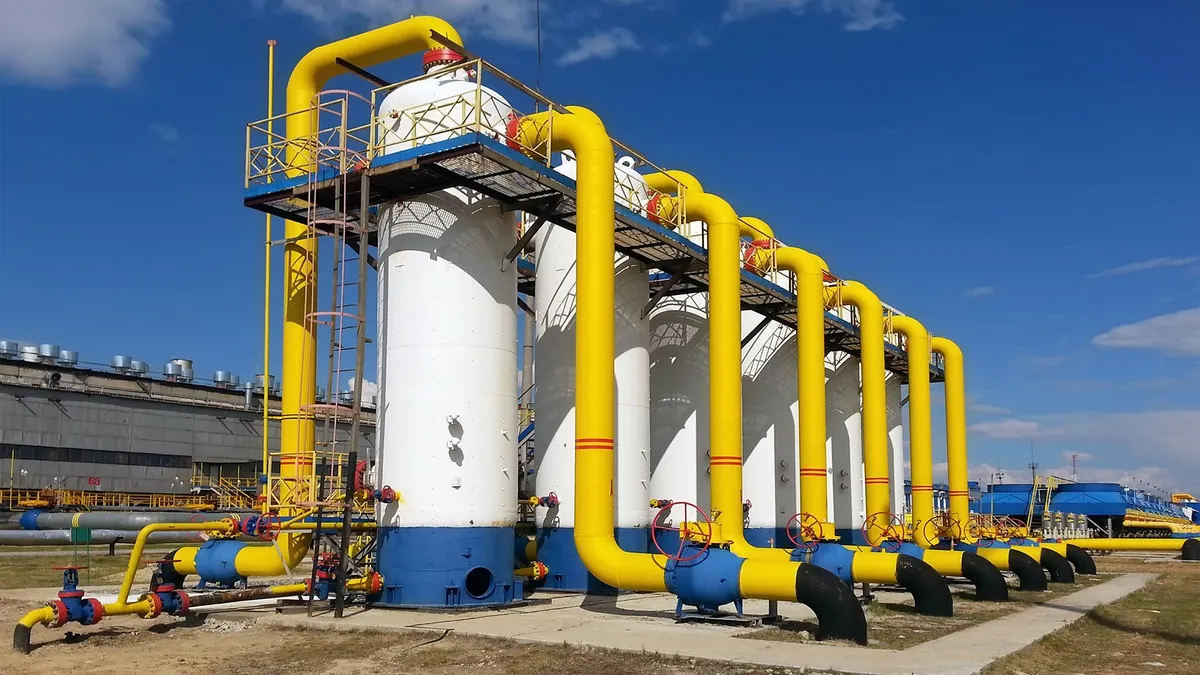
As Pakistan approaches the peak summer months, the government is facing a critical juncture regarding its natural gas supply. The situation has been exacerbated by ongoing shortages and rising demand, particularly in the power sector. On April 13, 2026, Power Minister Awais Ahmad Khan Leghari indicated that the government is contemplating a significant increase in domestic natural gas supply to the power sector, potentially raising the supply to approximately 160-170 million cubic feet per day (mmcfd) by the end of April or early May, up from the current 85-90 mmcfd.
In response to the current gas crisis, Sui Northern Gas Pipelines Limited (SNGPL) has implemented measures to restrict gas supply to just six hours a day. This limitation means that consumers will now receive gas primarily during breakfast and dinner hours, a significant reduction in availability that has raised concerns among households and businesses alike. The latest disruption has largely been linked to problems in liquefied natural gas (LNG) imports, which have been a critical component of the country’s energy strategy.
The rising demand for electricity during the summer months typically peaks at around 27,000-28,000 megawatts (MW), a stark contrast to the current peak demand of less than 14,000 MW. This discrepancy highlights the urgent need for the government to address the energy supply challenges. In recent days, the government has already implemented at least two hours of loadshedding, and this is expected to increase as the summer progresses.
Fuel cost adjustments (FCA) have also been a topic of concern, with the FCA for February recorded at Rs1.42 per unit. However, estimates suggest that this could rise to around Rs2 per unit in April if the situation does not improve. The cost of furnace oil, another energy source, has more than doubled between February and early April, further complicating the energy landscape.
Minister Leghari emphasized the difficult choices faced by the government, stating, “It is a choice between the uproar of 7 million gas consumers or 30 million power consumers.” This statement underscores the delicate balance the government must maintain as it navigates the competing demands of different sectors.
The government has also been warned that the gap in energy supply creates opportunities for smuggling, which could undermine efforts to stabilize the energy market. As the situation develops, the government is expected to enforce average daily loadshedding of two to three hours, alongside conservation measures to mitigate the impact on consumers.
With 500,000 tonnes of furnace oil stocks available, the government has some resources at its disposal to manage the crisis. However, the effectiveness of these measures remains to be seen as the country grapples with the dual challenges of rising demand and supply shortages. The outcome of these developments will be critical for both the energy sector and the broader economy.