









Reaction from the field
The upcoming NASA Artemis II mission is poised to be a groundbreaking event in space exploration, marking the first crewed flight under the Artemis program. Scheduled to launch no earlier than April 1, 2026, from the Kennedy Space Center in Florida, this mission will send four astronauts on a 10-day journey around the Moon, significantly advancing human presence in deep space.
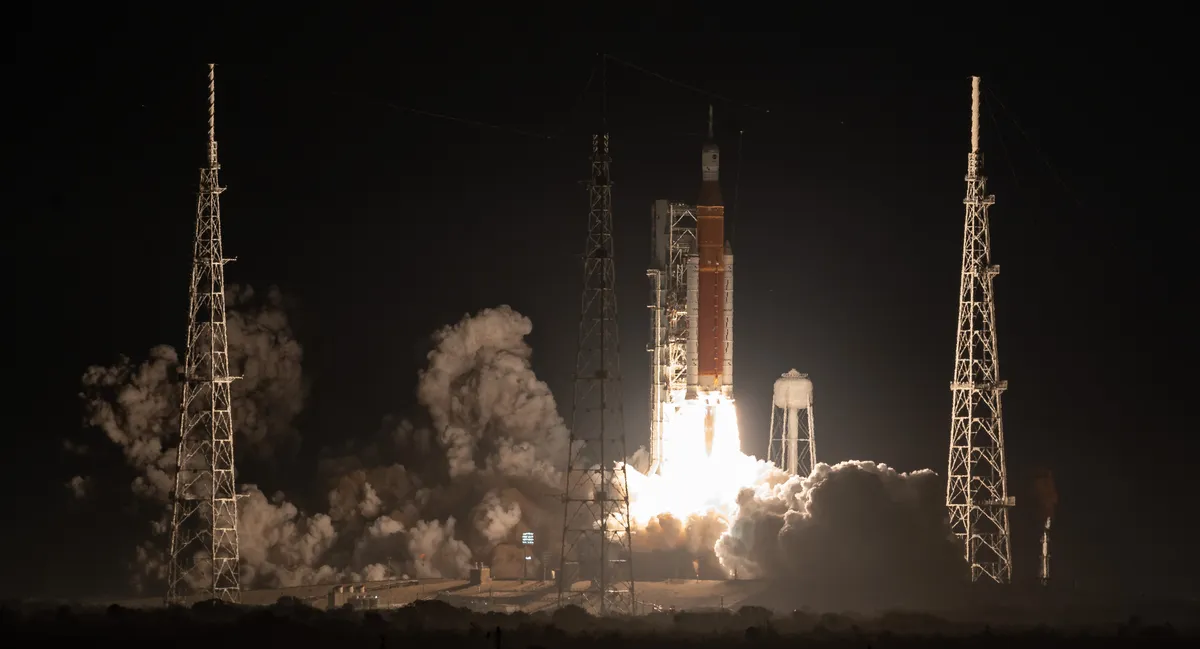
The crew for this historic mission includes experienced astronauts Reid Wiseman, Victor Glover, Christina Koch, and Jeremy Hansen. Their journey will not involve a lunar landing; instead, they will orbit the Moon, validating the performance of NASA’s Space Launch System (SLS) rocket and the Orion spacecraft. This mission is particularly notable as it will be the first crewed flight of the SLS, which is designed to support repeated missions to the Moon and facilitate long-term human presence.
Artemis II aims to surpass the record for the farthest distance from Earth achieved by humans, previously set by Apollo 13, which is a significant milestone in human spaceflight. The mission will cover approximately 248,655 miles from Earth, showcasing the advancements in technology and engineering since the Apollo era. NASA plans to provide live coverage of the prelaunch, launch, and mission events, engaging the public and renewing interest in space exploration.
The Artemis program is not just about returning humans to the Moon; it serves as a critical stepping stone for future missions to Mars. By testing technologies required for deeper space exploration, NASA aims to establish a sustained human presence on the Moon, with a target lunar landing planned for 2028. This timeline, however, may face delays due to ongoing development of key components.
As the mission approaches, the excitement surrounding Artemis II is palpable. NASA officials have emphasized that the primary objective of this mission is to validate the performance of both the rocket and spacecraft, laying the groundwork for future lunar landings. The mission is expected to renew public engagement in space exploration as humanity prepares to venture into deep space once more.
Details remain unconfirmed regarding the exact launch time on April 1, which is subject to change based on mission operations. As the launch window approaches, NASA will continue to refine its plans and communicate updates to the public.
In summary, NASA Artemis II represents a significant leap forward in human space exploration, as it prepares to send astronauts on a journey that not only honors the legacy of the Apollo missions but also sets the stage for future exploration of Mars and beyond.