









Before the recent developments, the conflict between the United States, Israel, and Iran had escalated significantly since February 28, 2026, when coordinated US and Israeli strikes targeted Iranian sites. The situation had created a precarious environment, with fears of a broader military confrontation looming.
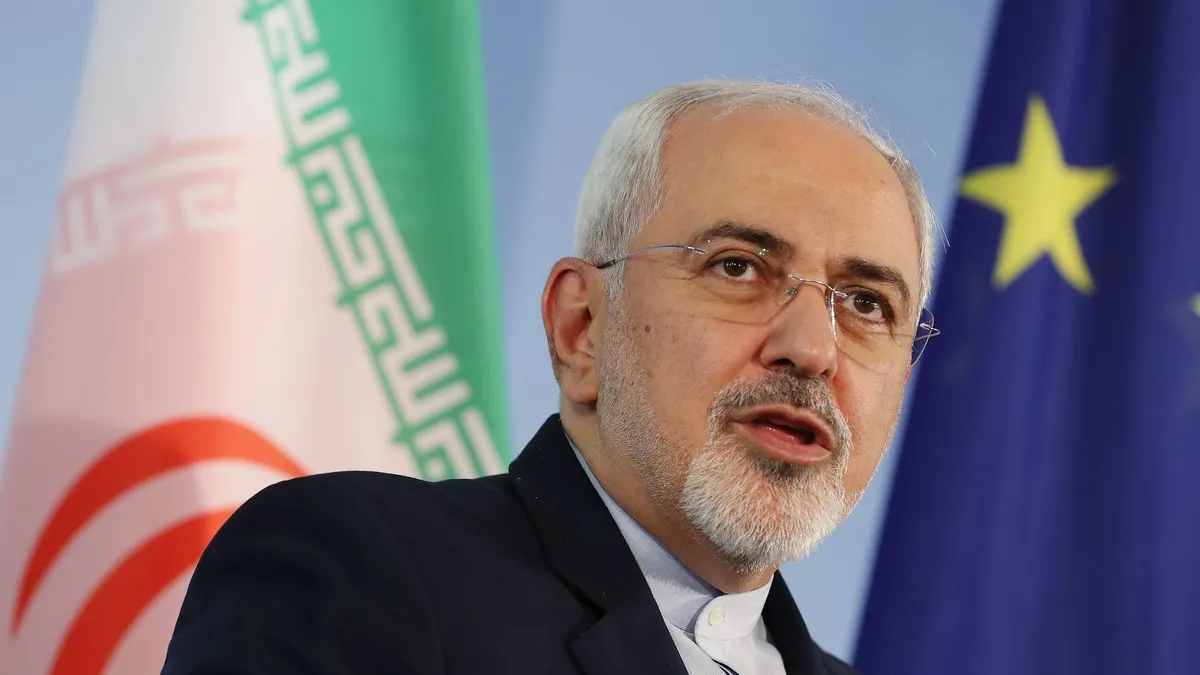
In a decisive moment, Mohammad Javad Zarif proposed a comprehensive roadmap aimed at de-escalating the ongoing tensions. His plan advocates for a sustainable resolution that goes beyond a mere ceasefire, emphasizing the need for a mutual nonaggression pact between Iran and the United States.
One of the key components of Zarif’s proposal includes Iran agreeing to limitations on its nuclear program in exchange for the lifting of sanctions. Currently, Iran is estimated to possess around 440 kilograms of uranium enriched to 60%, a point of contention that has fueled international concerns.
Zarif’s vision extends to a regional security framework that would involve Gulf states and the UN Security Council, highlighting the importance of collaboration in ensuring stability. The Strait of Hormuz, through which approximately one-fifth of the world’s crude oil and natural gas supplies pass, underscores the strategic significance of this initiative.
However, the response from Gulf state officials has been mixed, with many expressing skepticism regarding Zarif’s proposals. Anwar Gargash criticized the approach for overlooking Iran’s aggressive actions against neighboring countries, while Hamad bin Jassim Al Thani acknowledged the cleverness of Zarif’s plan but pointed out the erosion of trust in the region.
Zarif cautioned that a prolonged war would lead to greater humanitarian losses and economic destruction, urging leaders to consider the historical precedence of fostering peace. He emphasized that leaders who promote peace will be remembered more favorably than those who focus solely on temporary victories.
Yousef al-Otaiba echoed similar sentiments, stating that a simple ceasefire is insufficient to address the underlying issues. As tensions remain high, the effectiveness of Zarif’s proposals will depend on the willingness of all parties to engage in meaningful dialogue.
While Zarif’s roadmap presents a potential pathway to de-escalation, the complexities of the situation and the historical context of distrust among the involved nations pose significant challenges. Details remain unconfirmed regarding the acceptance of his proposals by the United States and Israel.