








Introduction
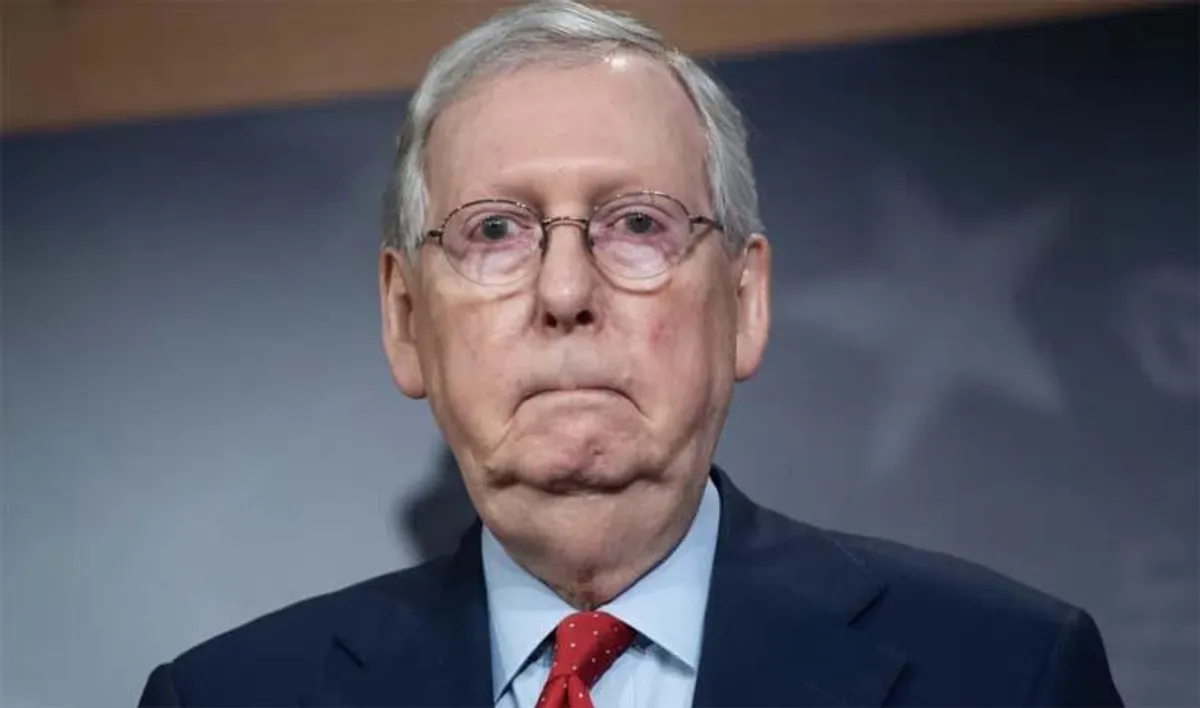
Mitch McConnell, the long-serving Republican senator from Kentucky, has played a pivotal role in shaping American politics for decades. As the current Senate Minority Leader, his influence is significant, especially in a rapidly changing political landscape. McConnell’s strategies and decisions not only reflect the sentiments of the Republican Party but also impact legislative progress in the United States.
Recent Developments
In recent weeks, McConnell has been at the forefront of several key issues, including the ongoing debates surrounding government funding and the federal debt ceiling. His leadership style has come under scrutiny, particularly as he navigates challenges posed by more extreme factions within his party. Senate Republicans have also been focused on upcoming 2024 elections, where McConnell aims to strengthen their positions across various states. Analysts suggest that his ability to foster unity among diverse party members will be crucial for future electoral success.
On August 30, 2023, during a press conference, McConnell faced questions about his health after experiencing a notable freeze-up during a previous press briefing. While medics cleared him for public duties, concerns about his physical and mental well-being persist among constituents and political analysts alike. McConnell’s office insisted he is continuing his legislative work and will remain active in guiding the party’s agenda.
Legislative Role and Influence
McConnell’s political career spans over 38 years in the Senate, and he has held the position of Majority Leader twice, uniquely positioning him as a strategist for both defending and advancing conservative policies. His influence is particularly significant in judicial appointments, where he has worked diligently to confirm Republican-nominated judges, thereby impacting the judiciary for generations to come.
Furthermore, McConnell has occasionally crossed party lines on critical issues, suggesting a willingness to consider bipartisan solutions when necessary, despite pushback from more radical party members. This pragmatism has earned him respect from some quarters but has also drawn criticism from certain voters who advocate for a stricter partisan approach.
Conclusion
As Mitch McConnell continues to navigate complex political waters, the implications of his leadership will undoubtedly be felt in the coming years. With upcoming elections and pressing national issues, political analysts are closely watching how McConnell adapts his strategies to maintain both party unity and his personal health. His ability to balance these demands will play a crucial role in determining the Republican Party’s future and its effectiveness in the Senate.