









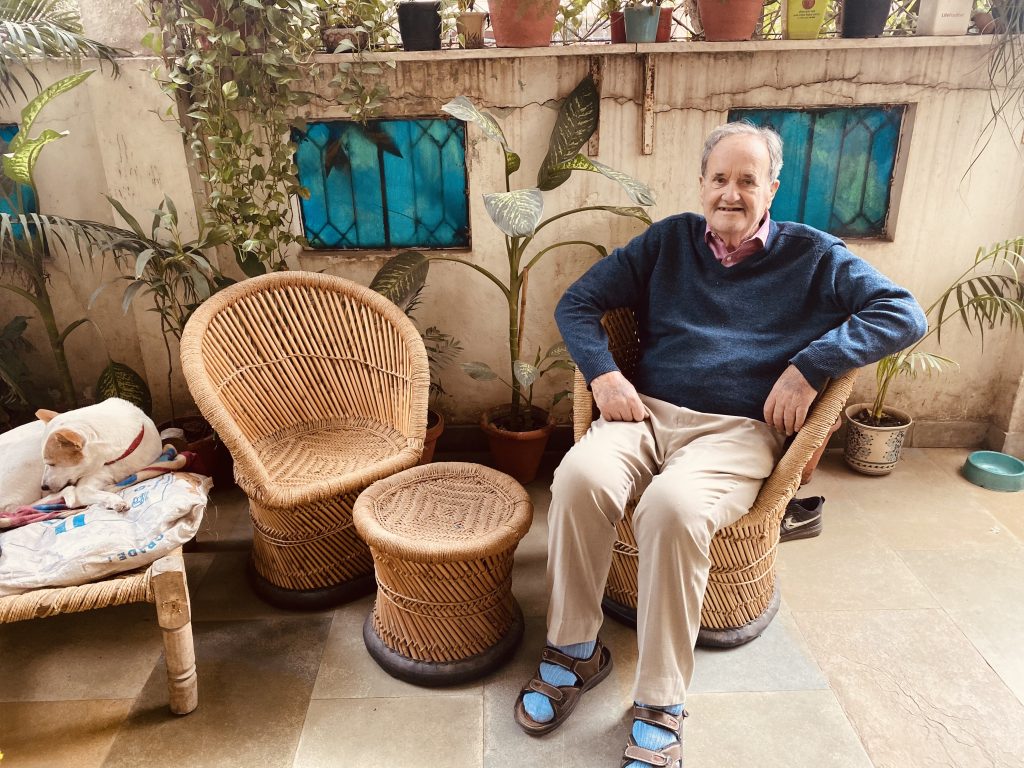
Introduction
Mark Tully, a prominent figure in the realm of journalism, has played a pivotal role in shaping public understanding of India and its diverse culture over several decades. With a career spanning more than 40 years as a broadcaster and writer, Tully’s experiences provide invaluable insights into the country’s social, political, and economic landscapes. His work is especially relevant today, as global audiences seek to comprehend the complexities of India amidst its rapid evolution.
Career Overview
Tully was born in 1935 in the UK and joined the BBC in 1965, where he began his legendary career as a correspondent in India. His nuanced reporting and ability to connect with local communities earned him a reputation as a trusted voice in journalism. He was a witness to pivotal moments in Indian history, covering events such as the Emergency declared by Indira Gandhi in 1975 and the subsequent opening up of India’s economy in the 1990s.
Notable Works
In addition to his journalism, Tully is also an accomplished author. His books, including “No Full Stops in India” and “India in Easy Steps”, showcase his experiences and reflections on India’s cultural and political evolution. These works are pivotal for readers interested in understanding the complexities of Indian society through the eyes of someone who has observed its changes first-hand.
Current Relevance
As the landscape of media continues to shift with the rise of digital platforms, Tully’s perspectives offer a critical lens on the importance of responsible journalism in these modern times. His emphasis on storytelling and cultural context is increasingly essential as audiences grapple with information overload and seek authentic narratives.
Conclusion
Mark Tully’s contributions to journalism and literature remain significant in the context of contemporary media. As India continues to navigate its position on the global stage, Tully’s insights provide a reminder of the power of storytelling and the importance of understanding the intricate tapestry that makes up the nation. Both his writings and broadcasts will continue to resonate with audiences, fostering a greater appreciation for India’s diversity and complexities in years to come.