









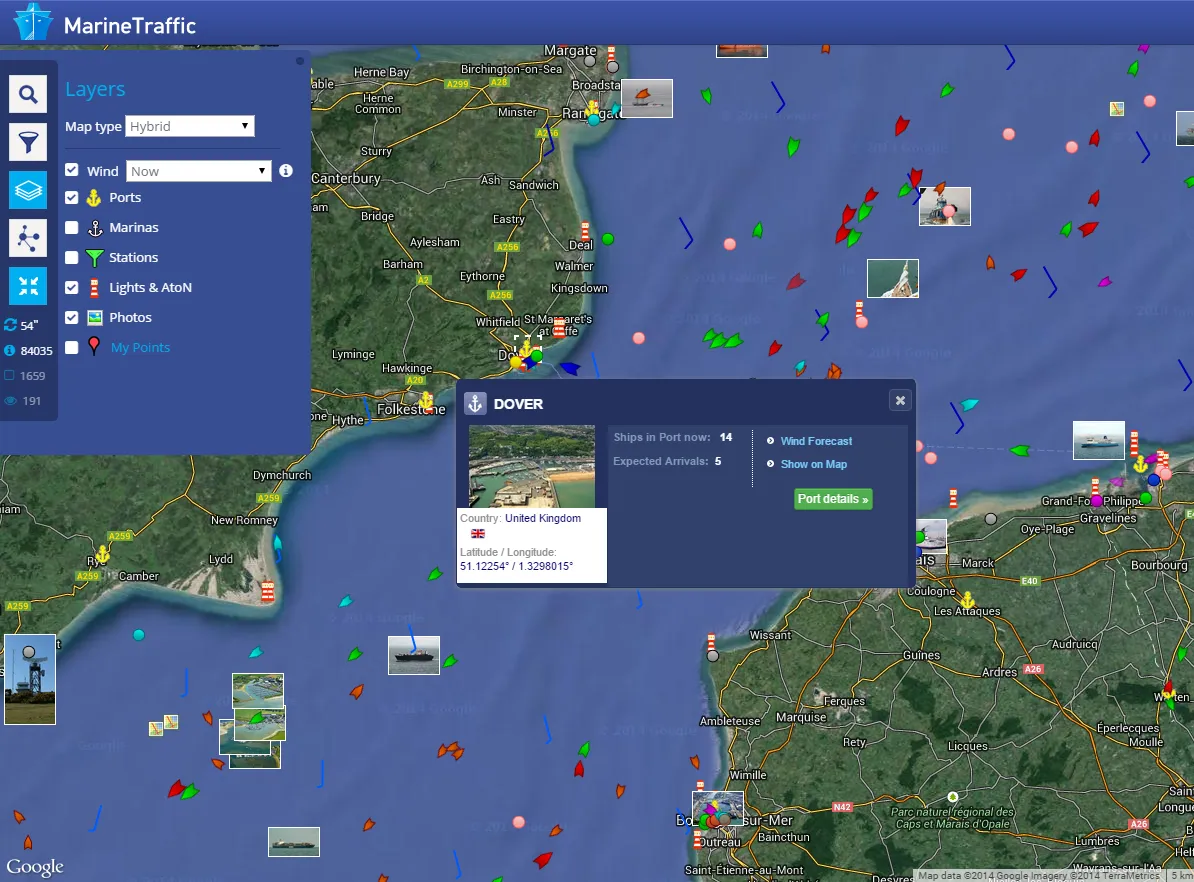
The recent crossing of the Aframax tanker Karachi through the Strait of Hormuz marks a significant development in marine traffic, as it is the first non-Iranian tanker to do so with an active transponder system. This event occurred on March 15, 2026, and has implications for global oil markets and shipping safety.
The Karachi was transporting Das crude oil from Abu Dhabi when it entered Iran’s exclusive economic zone at 11:33 a.m. local time and crossed the Strait of Hormuz at 2:43 p.m. local time. This crossing is particularly noteworthy given the recent near-total closure of the Strait, which has led to a reduction in oil production by major producers in the Persian Gulf.
Prior to the Karachi’s crossing, more than 20 large-tonnage tankers had left the Persian Gulf, indicating a significant decrease in marine traffic in the region. The Strait of Hormuz is a critical route for oil and gas supplies from the Middle East, and disruptions in this area can have far-reaching effects on global energy prices.
As a result of reduced tanker traffic, the price of Brent crude oil has surged, exceeding $100 per barrel. This price increase reflects the heightened tension and uncertainty surrounding marine traffic in the region.
MarineTraffic noted, “An active AIS indicates that individual shipments are being granted coordinated safe passage,” suggesting that specific shipments may have negotiated safe routes amidst the ongoing tensions. This development could signal a shift in how marine traffic is managed in the region.
Furthermore, the crossing of the Karachi may represent a new phase in maritime operations, where certain shipments are able to navigate through sensitive areas with increased security measures. The implications for international shipping and regional stability are still unfolding.
Details remain unconfirmed regarding the broader impact of this crossing on future marine traffic and oil supply chains. Observers will be closely monitoring the situation as it develops, particularly in relation to the geopolitical dynamics involving Iran, the United States, and Israel.
As the situation evolves, the international community will be watching for further developments that could affect marine traffic and energy markets globally.