









Prior Expectations
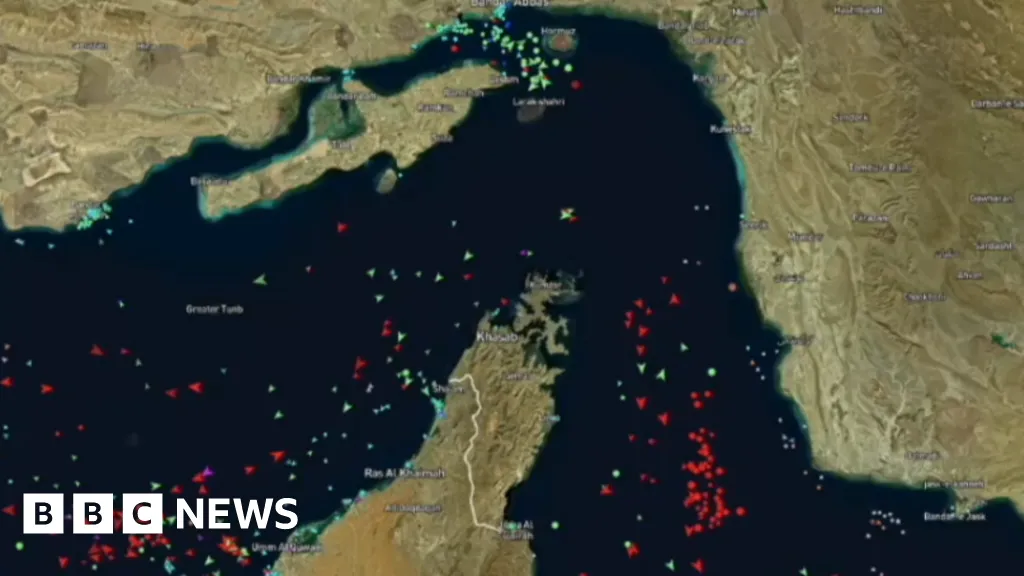
The Strait of Hormuz has long been recognized as a critical maritime chokepoint, facilitating approximately 20% of global oil and gas shipments. Prior to recent escalations, the strait was bustling with activity, with around 65 oil and chemical vessels transiting on February 27, 2026. This consistent flow of marine traffic was crucial for energy supplies worldwide.
Decisive Changes
However, on March 4, 2026, a stark contrast emerged as no oil tankers passed through the strait. Only five vessel crossings were recorded, a dramatic decline from the previous week. The complete standstill in oil tanker movement is attributed to escalating tensions in the Middle East, leading to fears of conflict that have effectively rendered the strait inaccessible.
Direct Effects
The implications of this disruption are profound for the parties involved. Iran’s General Sardar Jabbari stated that Tehran would “not let a single drop of oil leave the region,” indicating a potential escalation in hostilities. The absence of tanker activity has raised alarms among oil industry representatives, who noted that the strait is becoming increasingly difficult for ships to navigate.
Expert Perspectives
Industry sources have echoed these concerns, emphasizing that the current conditions are untenable for marine traffic. An oil industry official remarked, “The market needs a lot more details” to understand the full impact of these developments. Furthermore, the situation has led to a significant increase in crossings through alternative routes, such as Bab el-Mandeb, which saw a 950% rise on the same day.
As the situation continues to evolve, the number of injected signal zones detected across the Persian Gulf has reached 44, indicating heightened military activity. The Suez Canal recorded 23 crossings on the same day, highlighting a shift in maritime routes as vessels seek safer passage.
Details remain unconfirmed regarding the long-term effects of this disruption on global energy markets, but the immediate impact is clear: a significant reduction in marine traffic through one of the world’s most vital shipping lanes.