









Introduction
Lunar New Year, also known as Chinese New Year or Spring Festival, is one of the most culturally significant celebrations in many Asian countries and communities worldwide. The Lunar New Year marks the beginning of the lunar calendar and is celebrated with various customs and traditions that vary by region. As we approach 2026, it is essential to acknowledge the importance of this festive occasion to over a billion people who celebrate it and to understand its implications for cultural identity and community solidarity.
When is Lunar New Year 2026?
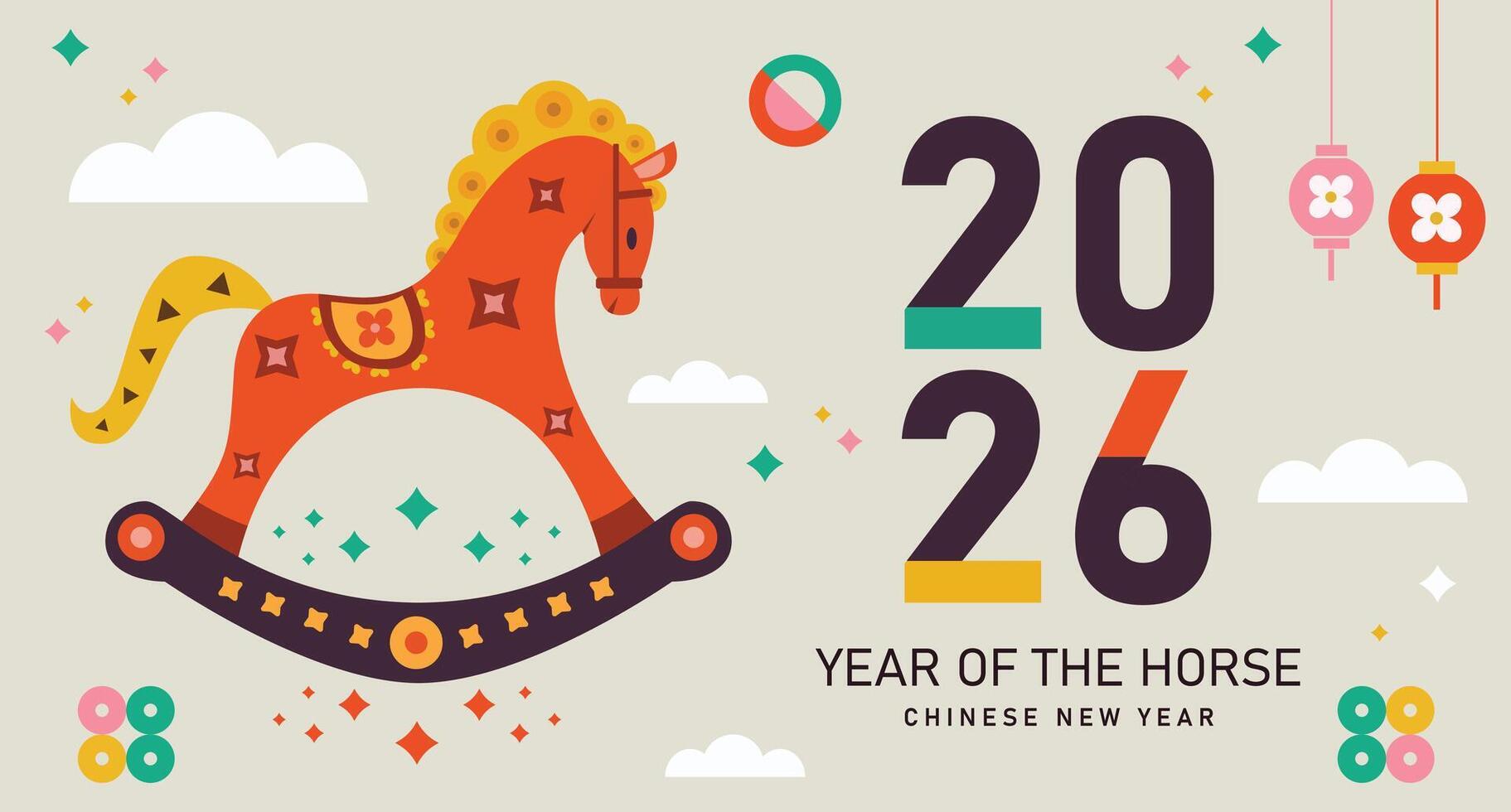
The Lunar New Year in 2026 will commence on February 17, ushering in the Year of the Fire Horse. The celebration typically lasts for 15 days, culminating in the Lantern Festival. In 2026, festivities will likely include numerous events leading up to the New Year’s Eve, where families gather for reunion dinners, and red envelopes, symbolising prosperity and luck, are exchanged.
Global Celebrations and Customs
While the primary observance occurs in countries such as China, Vietnam, South Korea, and Singapore, Lunar New Year has also gained popularity worldwide, especially in cities with large Asian populations. In 2026, cities like London, Sydney, and San Francisco are expected to host parades and festivals that feature traditional performances, such as lion and dragon dances, martial arts displays, firecrackers, and festive foods. Local businesses and communities will decorate streets and shops with red lanterns, banners, and other symbols to welcome the New Year.
Economic Impact
Lunar New Year is not just a cultural event; it also has significant economic implications. Traditionally, it is a peak time for retail as people shop for new clothes, gifts, and festive ingredients. The weeks surrounding the event present opportunities for local businesses, especially in the food and hospitality sectors, to boost sales. Moreover, travel rates typically rise as families reunite and tourists flock to major celebration sites, positively impacting the tourism industry.
Conclusion
The significance of Lunar New Year goes beyond mere festivities; it embodies traditions, beliefs, and the spirit of togetherness. As we look ahead to 2026, the anticipation of celebration, renewal, and family gathering continues to resonate with millions globally. It serves as a reminder of cultural heritage and the importance of bringing communities together, fostering a sense of belonging and identity among diverse populations. As preparations begin, readers are encouraged to explore and participate in the festivities to appreciate the shared human experience that Lunar New Year represents.