








Introduction
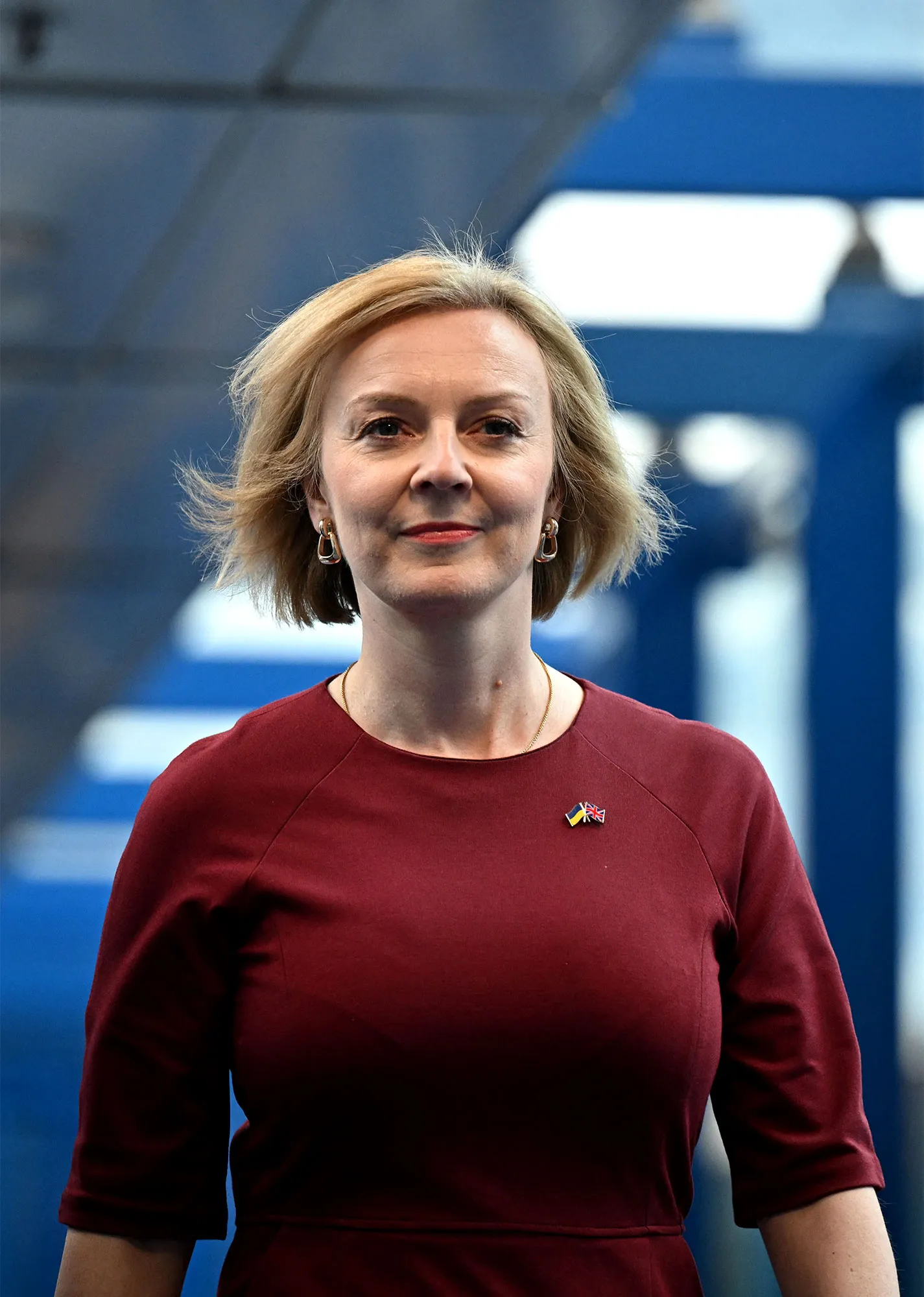
Liz Truss, the former Prime Minister of the United Kingdom, has become a pivotal figure in recent British politics. Her brief tenure and the subsequent political implications have sparked considerable discussion about leadership, policy, and government integrity in the UK. Understanding her journey and policies is essential for grasping the current political landscape and its effects on the nation.
Political Career Overview
Born on July 26, 1975, in Oxford, Liz Truss has held various governmental roles, including Secretary of State for International Trade and Chief Secretary to the Treasury. She held the position of Prime Minister from September to October 2022, making her tenure one of the shortest in UK history. During her time in office, Truss faced immense challenges, including economic instability and widespread public dissent over her proposed fiscal policies.
Key Policies and Initiatives
Truss entered office with grand ambitions, particularly aiming to stimulate economic growth through tax cuts and deregulation. However, her mini-budget, announced in late September 2022, aimed at significant tax reductions funded by government borrowing, led to turmoil in financial markets. This plan received heavy criticism, resulting in plummeting confidence in her leadership and escalating pressure from within her party. As a result, Truss resigned just weeks into her term, marking a significant political upheaval.
Implications of Her Tenure
The aftermath of Truss’s resignation has been profound for the Conservative Party and UK politics. Her policies raised crucial questions about fiscal responsibility and the direction of economic policy, leading to a reassessment within the party about future strategies. Furthermore, her exit showcased the fragility of political support in a turbulent political environment.
Conclusion
Liz Truss’s political journey, though brief, has left an indelible mark on British politics. The turmoil surrounding her tenure reflects ongoing uncertainties in the UK regarding government policy, economic strategies, and public trust in elected officials. As the nation moves forward, the lessons learned from Truss’s leadership may shape future policies and party dynamics. Observers will be keen to see how her policies and political decisions influence the Conservative Party’s strategies and the broader political discourse in the UK.