









Introduction
Lidl, the German discount supermarket chain, has been making headlines recently with its ambitious expansion plans in the UK. Known for offering high-quality products at competitive prices, Lidl’s growth is particularly relevant to consumers in the current economic climate, where shoppers are increasingly looking for value during inflationary pressures. This article examines the current expansion efforts of Lidl and their implications for the UK grocery market.
Lidl’s Growth Strategy
In 2023, Lidl announced plans to open 50 new stores across the United Kingdom by the end of the year. This move aims to enhance its network to meet growing consumer demand and bolster its market share against competitors such as Tesco and Sainsbury’s. To support this expansion, Lidl is investing £1.3 billion, signalling a robust commitment to the UK market amidst ongoing economic uncertainties.
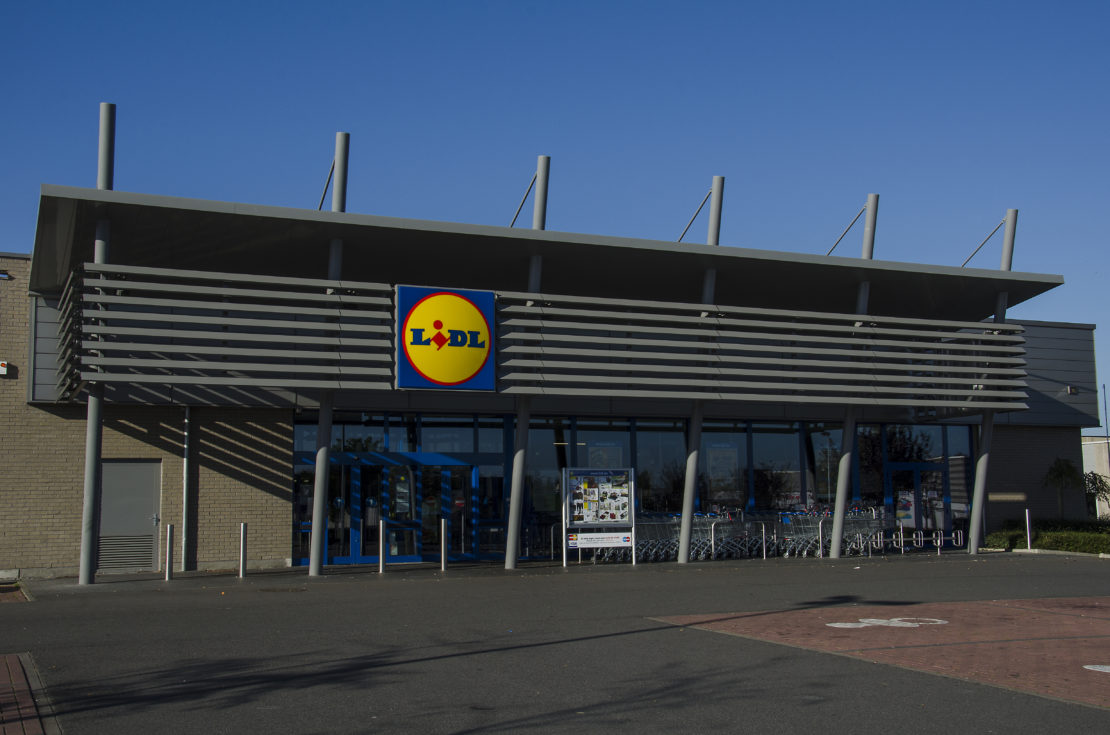
In addition to new store openings, Lidl is also rolling out an innovative store design, which focuses on enhancing the shopping experience while maintaining efficiency. The new stores will feature modern layouts and a selection of locally-sourced products, appealing to environmentally conscious consumers and supporting local suppliers.
Impact on the UK Grocery Market
Lidl’s expansion is likely to disrupt the traditional grocery shopping landscape in the UK. Expert analysts predict that as Lidl increases its footprint, competition among supermarkets will intensify, especially in price-sensitive segments. This could lead to a price war among major retailers, ultimately benefitting consumers who may enjoy lower prices and improved product offerings.
Furthermore, as Lidl continues to gain popularity, it contributes to a shift in shopping patterns, with many customers opting for discount supermarkets over larger chains. This trend indicates a growing acceptance of discount retail amongst UK shoppers, who appreciate the balance of quality and affordability that Lidl provides.
Conclusion
As Lidl continues to expand across the UK, its commitment to affordability and quality is noteworthy, particularly during these economically challenging times. Consumers can expect a greater variety of choices and potentially lower prices as competition heats up. The outcome of Lidl’s expansion may well redefine the grocery shopping experience in the UK, making it a significant development for both consumers and the retail industry alike. With the planned growth over the next few years, Lidl could not only solidify its presence but also reshape consumer expectations around value and quality in grocery shopping.