







The situation in Lebanon has deteriorated sharply since the onset of the Israel-Hezbollah war on March 2, 2026, triggered by the assassination of Iran’s Supreme Leader Ayatollah Ali Khamenei in a US-Israeli attack. As of April 4, 2026, Israeli military actions in southern Lebanon have resulted in the deaths of at least two children and injuries to 40 others.
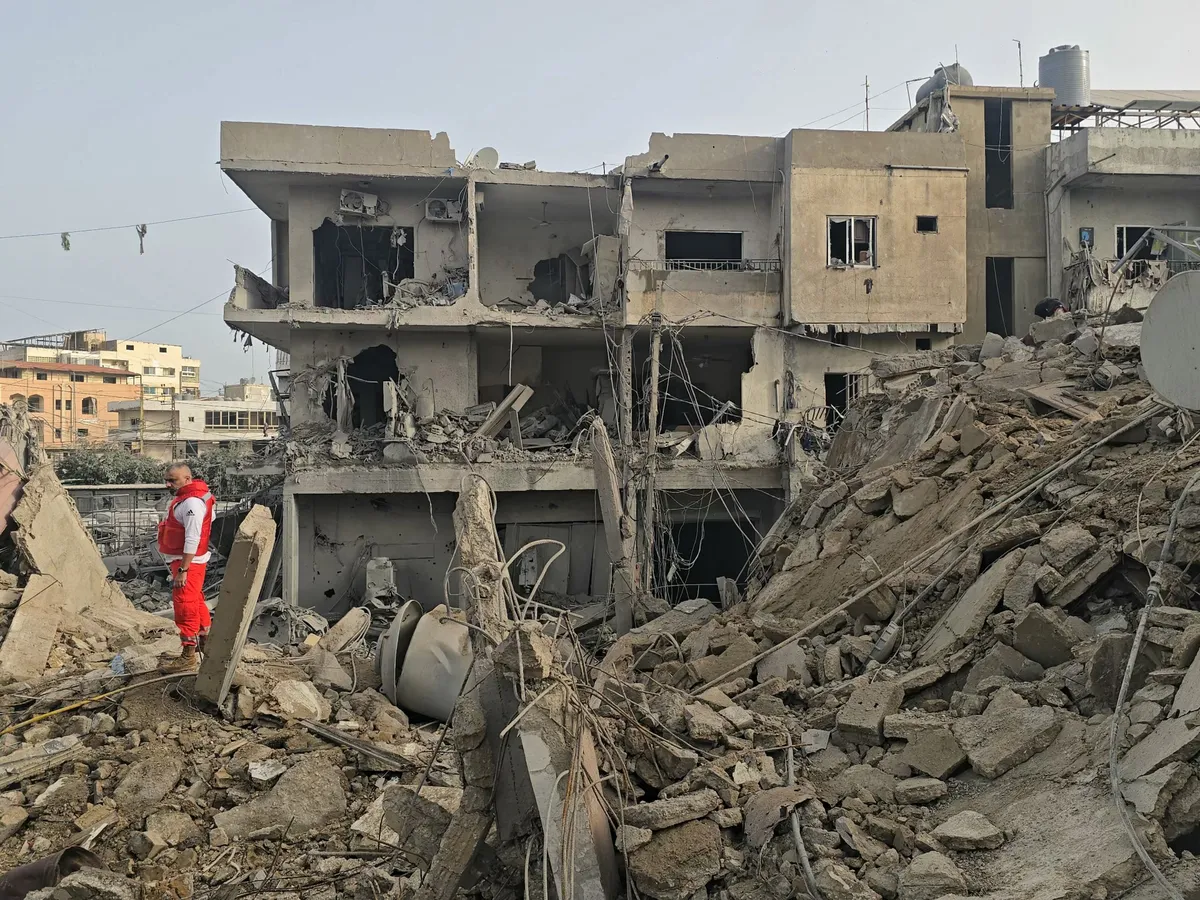
On the same day, an Israeli strike on the village of Habbush killed two girls and wounded 22 individuals. Further attacks have also been reported, including one on al-Hawsh near Tyre, which left 18 people wounded, among them a child, three women, and three paramedics.
According to Lebanon’s Health Ministry, the ongoing conflict has claimed the lives of at least 1,368 people and injured 4,138 since the escalation began. The humanitarian crisis is exacerbated by the fact that over 1.1 million Lebanese have fled their homes due to the fighting and relentless Israeli bombing.
Israeli forces have reportedly destroyed 17 surveillance cameras linked to the United Nations peacekeeping forces (UNIFIL) in southern Lebanon. This has raised concerns about the safety and effectiveness of peacekeeping operations in the region.
Tragically, the conflict has also resulted in the deaths of three Indonesian peacekeepers from the UN force in two separate incidents over the past week. The Indonesian government has emphasized the need to strengthen protections for UN peacekeeping forces amid this increasingly dangerous conflict situation.
Heiko Wimmen, an analyst, remarked, “We know that [disarming] Hezbollah is not on the cards, and so we’re seeing an open-ended occupation evolving before our eyes.” This statement reflects the complex dynamics at play as the conflict continues to unfold.
As families are forced to flee their homes, the emotional toll is significant. Fatme A., a displaced resident, stated, “We are not the first, and we won’t be the last family that has had to flee.” This sentiment highlights the ongoing plight of many who are caught in the crossfire.
Tom Fletcher, a humanitarian worker, noted, “Displacement is not a solution, but a painful last resort […] a temporary way to preserve dignity.” This underscores the urgent need for a resolution to the conflict and support for those affected.
As the situation in Lebanon remains fluid, the international community continues to monitor developments closely. Details remain unconfirmed regarding the full extent of the humanitarian crisis and the ongoing military actions.