









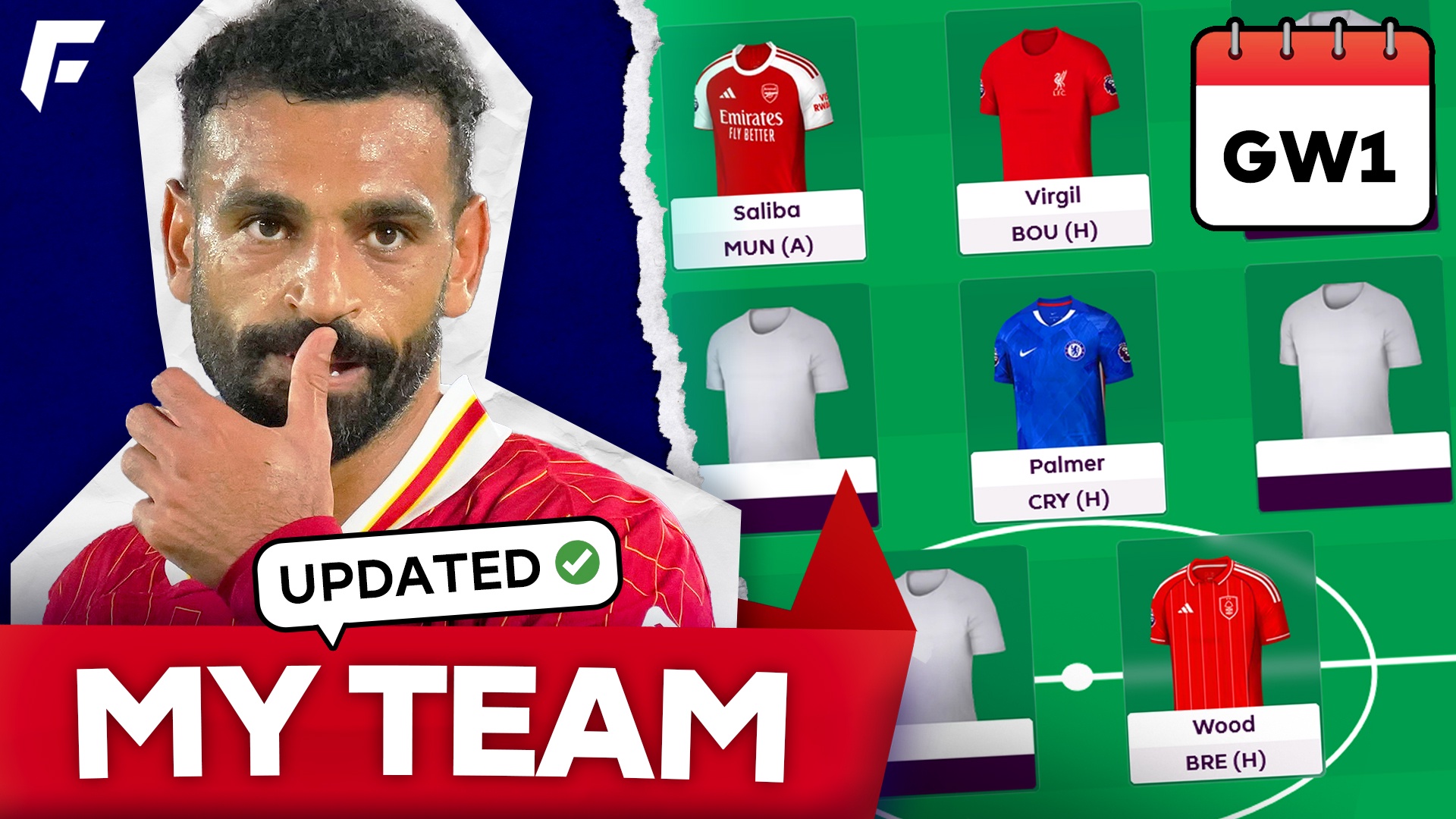
Introduction to Fantasy Premier League
Fantasy Premier League (FPL) has become a significant aspect of football fandom, where millions of fans create their own teams and compete for points based on real-life performances. The 2023 season has brought exciting changes and challenges, making it crucial for players to stay updated on rules, player performances, and strategies.
Key Updates for 2023
This season, the FPL has introduced several features aimed at enhancing user experience. One notable change is the addition of new scoring metrics that reward players for successful passes and assist opportunities, reflecting a shift toward recognising playmakers in the game. Furthermore, the deadline for weekly team changes has been refined to help accommodate the rapidly changing conditions of player fitness and fixture scheduling. This adjustment is particularly beneficial for managers who want to optimise their squads as injuries and transfers significantly impact team dynamics.
Current Trends in Player Performance
As of the latest matchweek, standout performers include players such as Erling Haaland and Mohamed Salah, who continue to dominate the points leaderboard. Their consistent performances have made them must-haves for any serious fantasy manager. Additionally, emerging talents like Alexander Isak and Lisandro Martinez are proving to be valuable assets, offering a great balance of value for money and potential returns. Analysts recommend closely monitoring these players as the season progresses to make informed decisions regarding transfers and captaincy.
Strategies for Success
To thrive in the 2023 FPL season, certain strategies are paramount. Firstly, utilising the wildcard option effectively can help managers rectify poor selections or take advantage of in-form players. Secondly, incorporating a mix of premium and budget players can optimise a team’s value, catering to the financial constraints players face. Lastly, staying engaged with weekly podcasts, blogs, and community discussions can provide vital insights and tips, ensuring that managers are well-informed about upcoming fixtures and player conditions.
Conclusion
As FPL continues to evolve, enthusiastic managers are encouraged to adopt agility and adaptability in their strategies. With the right knowledge, timely decisions, and proactive management, players can greatly enhance their chances of climbing the rankings and enjoying the competitive spirit of the Fantasy Premier League. As we move deeper into the season, staying informed will be key for all participants wishing to secure their position at the top.