









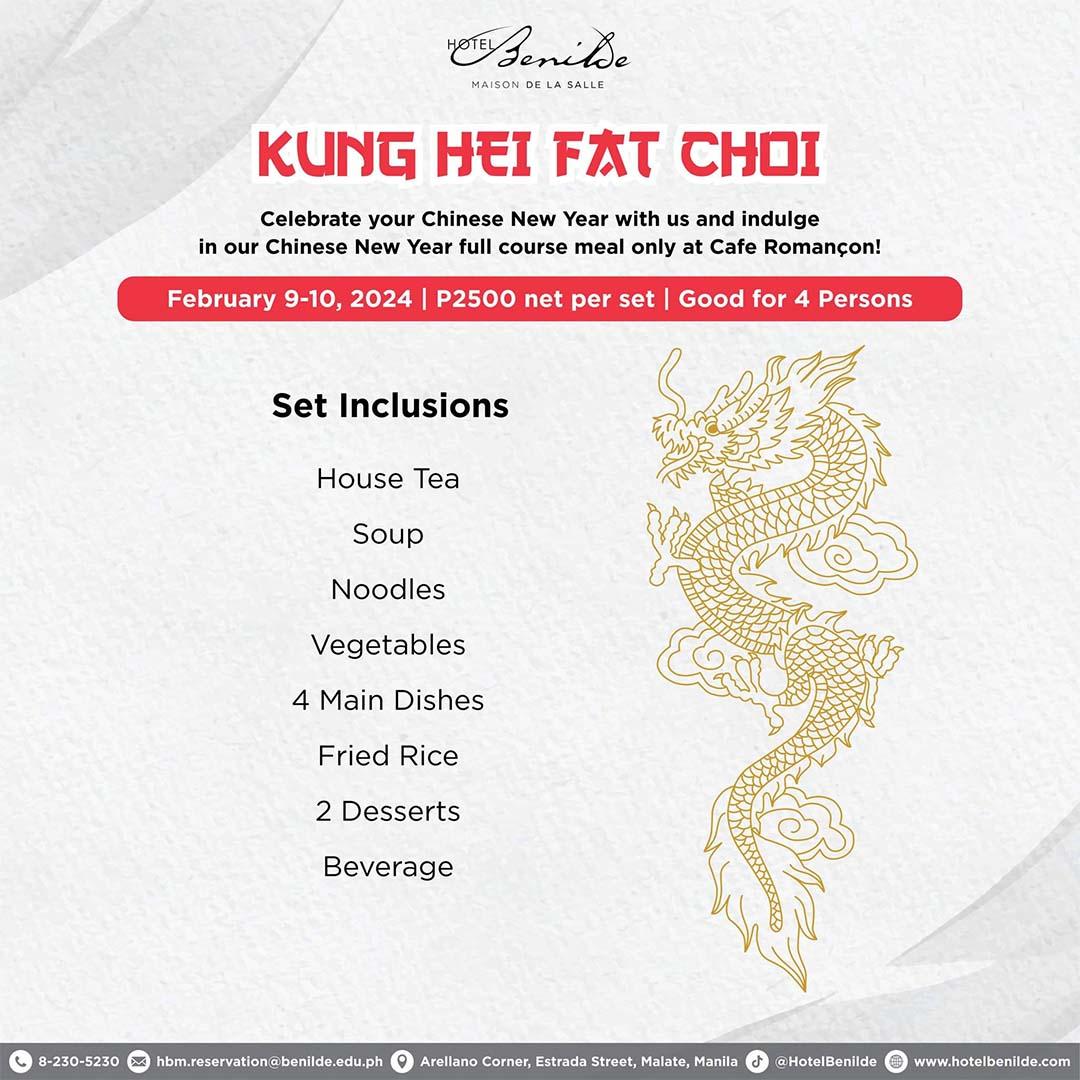
Introduction to Kung Hei Fat Choi
‘Kung Hei Fat Choi’ is a traditional Cantonese greeting used predominantly during the Lunar New Year celebrations. This phrase translates to ‘Wishing you prosperity and happiness’, encapsulating the hopes for wealth and joy in the coming year. The importance of this phrase and the associated festivities cannot be understated, particularly for the Chinese community worldwide, where family reunions, cultural practices, and culinary customs play a significant role in ushering in the New Year.
Cultural Significance and Celebrations
The Lunar New Year, which falls between January 21 and February 20, varies each year according to the lunar calendar. In 2024, it will be celebrated on February 10, marking the Year of the Dragon—a symbol of power and good fortune. The lead-up to the holiday sees various customs, such as thorough house cleaning to sweep away bad luck, decorating homes with red banners and lanterns, and preparing a feast of symbolic foods that represent prosperity, such as dumplings and fish.
The celebratory period, which lasts for 15 days, features numerous events including lion dances, dragon parades, and fireworks, which serve to ward off evil spirits and bring luck. On the eve of the New Year, families come together for a reunion dinner, a ritual that strengthens family bonds and allows members to reflect on the past year.
Global Observance
In recent years, the popularity of Lunar New Year celebrations has transcended geographical and cultural barriers. Cities with significant Chinese populations such as London, San Francisco, and Sydney host extravagant parades and festivals that attract diverse audiences. The festivities provide a platform for sharing Chinese culture, allowing individuals from various backgrounds to partake in the joyous occasion.
Conclusion and Significance
As we approach the celebration of Kung Hei Fat Choi, it becomes increasingly important to understand the traditions and values that accompany this significant festival. The themes of new beginnings, family, and community spirit resonate with people universally, reflecting a shared desire for prosperity, happiness, and good fortune. With predictions of robust participation in Lunar New Year events this year, including plans for community outreach and educational programs, the celebration continues to evolve while remaining a deeply cherished time for families and communities alike.