









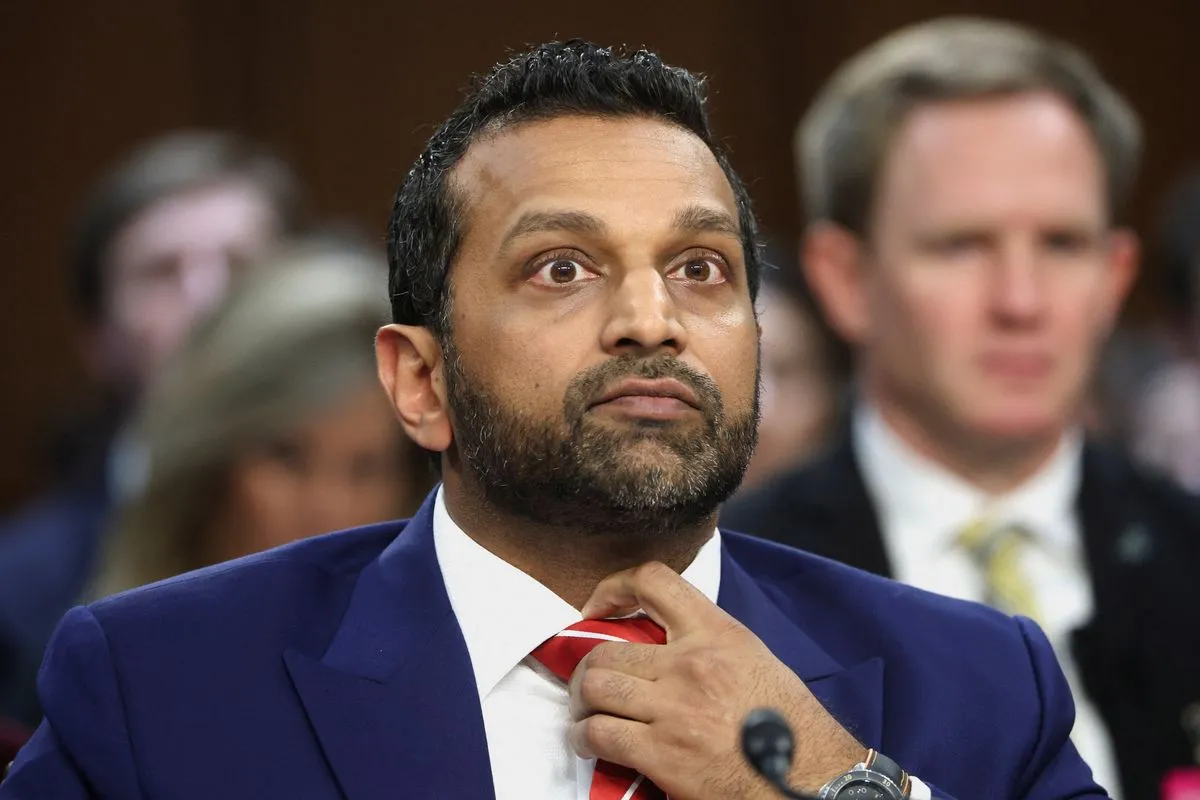
On March 28, 2026, Kash Patel, a notable figure in U.S. politics, became the victim of a significant email breach. This incident was carried out by the Handala Hack Team, a group linked to the Iranian Ministry of Intelligence and Security (MOIS). The breach involved the unauthorized access of Patel’s personal emails, which were subsequently published online.
The Handala Hack Team claimed responsibility for the breach, mocking U.S. cyber defenses in their announcement. They released a sample of more than 300 emails dated from 2010 to 2019, alongside personal photos and documents belonging to Patel. This act was reportedly a retaliation against the FBI’s recent seizure of Handala’s domain names and a $10 million bounty placed on the group.
In response to the breach, the FBI confirmed that the accessed material was historical in nature and did not contain sensitive government information. They emphasized that the breach did not compromise current national security. Ben Williamson, a spokesperson for the FBI, stated, “We have taken all necessary steps to mitigate potential risks associated with this activity.”
The breach has raised alarms regarding the security of personal email accounts of senior officials, a trend that has been observed repeatedly over the years. The U.S. government is now offering a reward of up to $10 million for information leading to the identification of members of the Handala group.
As the situation unfolds, Patel finds his name among the list of successfully hacked victims, a reality that underscores the vulnerabilities present in personal and governmental cybersecurity. The breach not only highlights the risks associated with personal email accounts but also the ongoing challenges faced by U.S. cyber defenses against foreign threats.
In the aftermath of the breach, there are ongoing discussions about the implications for cybersecurity policies and the protection of personal information for public officials. The incident serves as a reminder of the persistent threats posed by cybercriminals and state-sponsored hacking groups.
While the FBI has reassured the public that no sensitive government information was compromised, the breach raises questions about the effectiveness of current cybersecurity measures. The Handala Hack Team’s actions reflect a broader trend of targeting individuals in positions of power, emphasizing the need for enhanced security protocols.
As of now, details remain unconfirmed regarding the full extent of the breach and its long-term implications for Kash Patel and others affected. The incident continues to be a focal point for discussions on cybersecurity and the protection of personal data.