







Prior Expectations
Before the recent developments, Karaj, a city located west of Tehran, was largely seen as a relatively stable area amidst the ongoing tensions between Israel and Iran. The residents were accustomed to the underlying conflicts but had not anticipated the scale of military actions that would soon unfold.
Decisive Changes
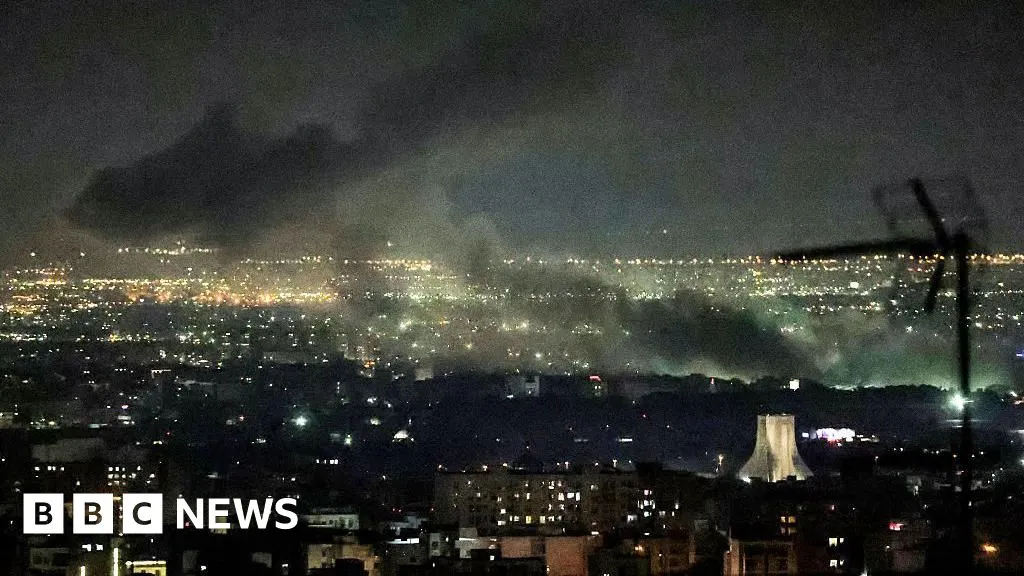
On March 10, 2026, a significant shift occurred when eyewitness videos surfaced, showing destroyed buildings and rubble in Karaj. Reports indicated that Tehran was under intense bombardment from U.S.-Israeli forces, with a specific military target identified as a weapons research-and-development site in the capital. The exact timing of the videos remains uncertain, as no earlier versions were found online prior to this date.
Immediate Effects
The immediate aftermath of the bombardment has left residents in shock and fear. One local resident captured the chaos on video, calling out for support from former U.S. President Donald Trump, highlighting the desperation felt by many in the area. The destruction has raised concerns about civilian safety and the broader implications for the region.
Expert Perspectives
Experts have noted that this escalation in military action reflects a significant turning point in the conflict, with potential ramifications for both domestic and international politics. The bombardment in Tehran and its impact on surrounding areas like Karaj underscore the volatility of the situation. A resident of Karaj expressed a sentiment of resilience, stating, “We trust you. Keep going until this regime is overthrown,” indicating a determination among some locals to continue their fight despite the dangers.
As the situation evolves, the international community is closely monitoring the developments in Karaj and Tehran. The ongoing conflict, marked by these recent escalations, raises questions about future stability in the region.
Details remain unconfirmed regarding the full extent of the damage and the number of casualties resulting from the bombardment. However, the voices of those affected reveal a profound sense of loss and a call for solidarity in the face of adversity.