









Introduction
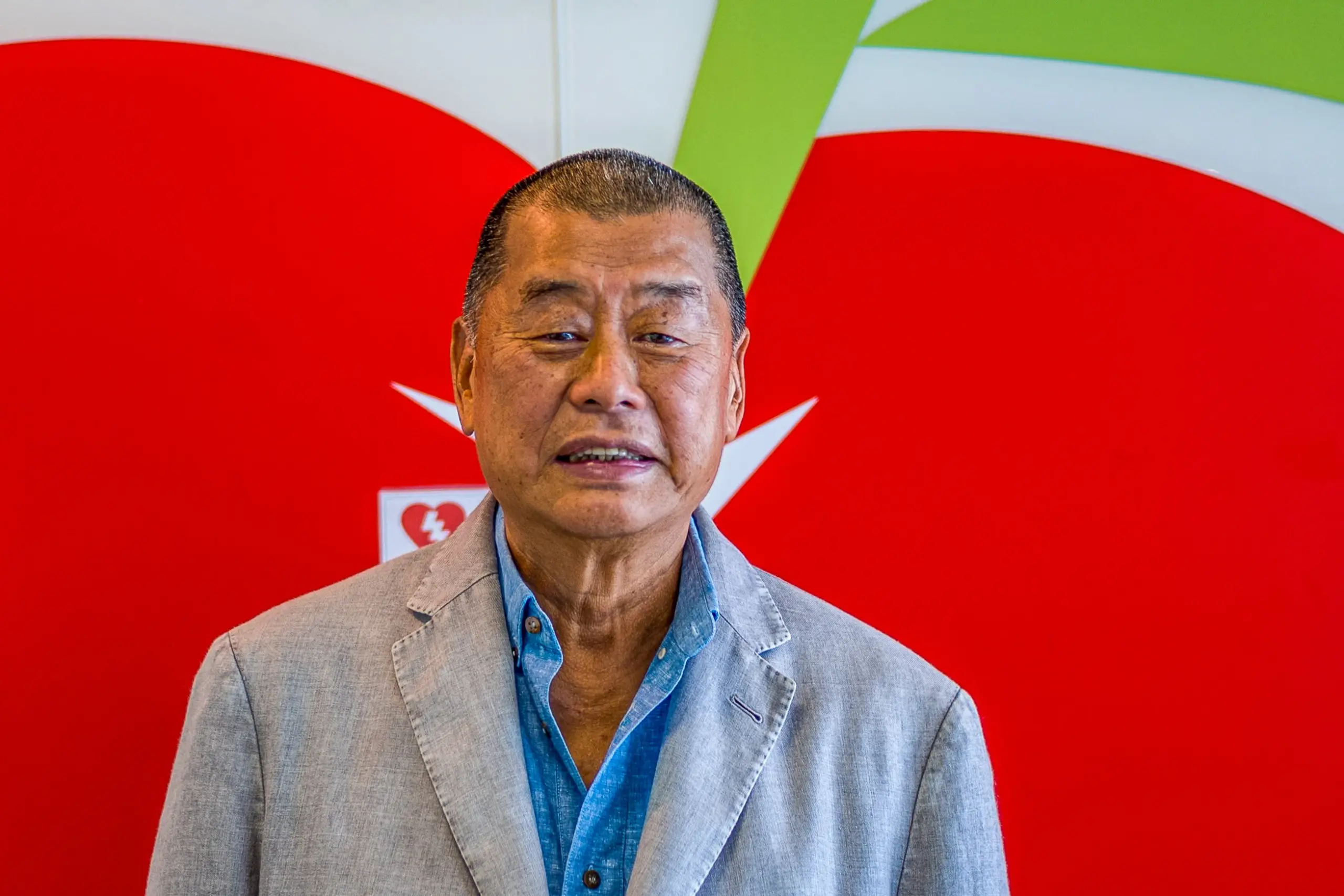
Jimmy Lai, the founder of the Apple Daily newspaper, has become a symbol of the pro-democracy movement in Hong Kong. His advocacy for free speech and democratic reforms has made him a target of the Chinese government, leading to his arrest in August 2020. The ongoing legal battles and international attention surrounding Lai’s case underline the increasing crackdown on dissent in Hong Kong, making it a crucial topic of discussion and concern globally.
Background and Events
Born in 1947 in Guangzhou, China, Jimmy Lai moved to Hong Kong in 1966. After starting his career in the fashion industry, he founded Apple Daily in 1997, which quickly became known for its bold and unfiltered reporting on political issues in Hong Kong and mainland China. Lai’s commitment to journalism and activism saw him face multiple legal challenges over the years.
On August 10, 2020, Lai was arrested under Hong Kong’s national security law, which was implemented by Beijing in June of that same year. This law gives authorities sweeping powers to silence dissent, and Lai’s arrest sparked international outrage, prompting statements from various governments and human rights organisations advocating for his release. In February 2021, Lai was charged with collusion with foreign forces, further complicating his legal situation.
Throughout 2021 and 2022, Lai faced numerous court appearances as his case drew attention from global leaders and activists alike. Support for Lai surged, as protests in solidarity with him and calls for democratic freedoms in Hong Kong became more widespread. Many institutions have reacted by condemning the actions of the Hong Kong and Chinese authorities, asserting that they infringe on human rights and democratic principles.
Current Situation
As of late 2023, Jimmy Lai remains in prison, awaiting trial amidst a continuing complex legal landscape. His plight exemplifies the diminishing freedoms in Hong Kong, and many observers fear that the case could set a precedent for further crackdowns on press freedom and political expression in the region. The international community has called for his release, asserting that his detention is politically motivated.
Conclusion
Jimmy Lai’s situation is emblematic of the struggles faced by pro-democracy advocates in Hong Kong. His case raises important questions about the future of free speech, human rights, and democracy in the region. As calls for reform continue, the outcome of Lai’s ongoing legal battles could significantly impact the political landscape in Hong Kong, potentially altering the dynamics between the city and mainland China. For readers concerned with global democracy and human rights, understanding Lai’s story is crucial as it reflects the broader issues of freedom and resistance in contemporary society.