







How it unfolded
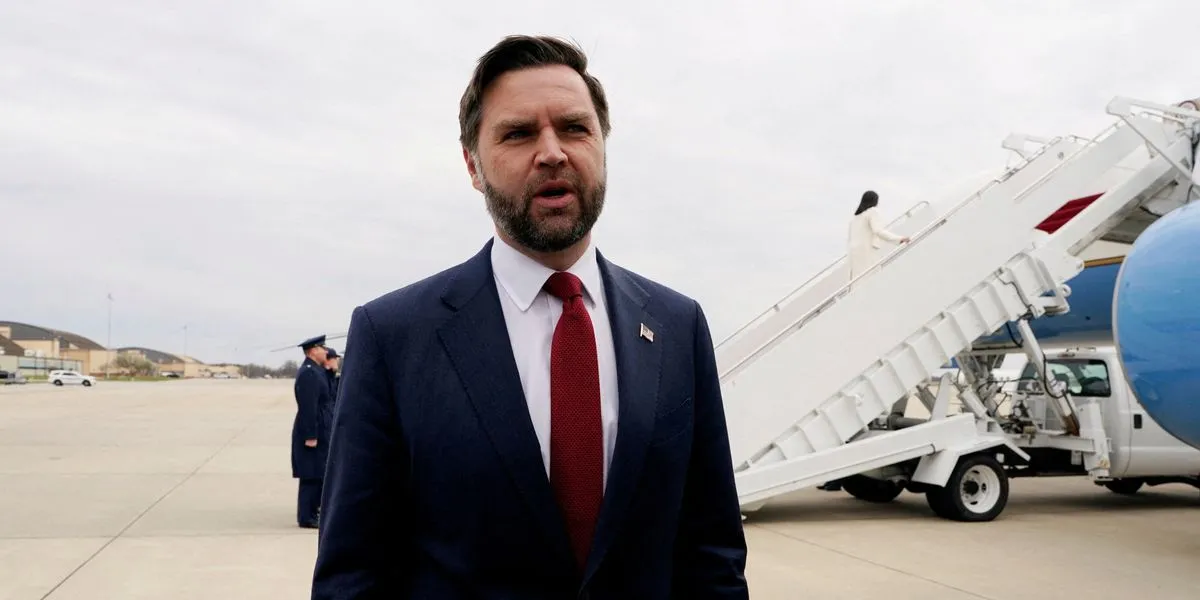
On March 24, 2026, the political landscape surrounding US-Iran relations shifted significantly as JD Vance emerged as a potential chief negotiator for peace talks. This development comes amid ongoing tensions and military actions initiated by the United States against Iran, particularly concerning Iran’s nuclear program. The backdrop of these negotiations highlights the complexities of diplomacy in a region marked by conflict.
Pakistan’s Prime Minister, Shehbaz Sharif, announced that his country is prepared to facilitate discussions aimed at resolving the ongoing conflict in the Middle East. “Subject to concurrence by the US and Iran, Pakistan stands ready and honoured to be the host to facilitate meaningful and conclusive talks for a comprehensive settlement of the ongoing conflict,” Sharif stated, indicating Pakistan’s willingness to play a pivotal role in the negotiations.
As the situation developed, it was reported that the US and Iran could potentially meet for negotiations in Islamabad as early as that week. However, the Iranian parliamentary speaker, Mohammad Bagher Ghalibaf, dismissed these reports, labeling them as fake news. He emphasized that no negotiations had been held with the US, claiming that such narratives were being used to manipulate financial and oil markets.
Despite Ghalibaf’s dismissal, the Iranian side appears to view JD Vance as a more acceptable interlocutor compared to other US figures such as Steve Witkoff and Jared Kushner, who have been rejected by Iran due to a lack of trust. This perception of Vance’s acceptability could be a crucial factor in the success of any potential negotiations.
In the context of these developments, the Pakistani military leadership has been actively attempting to broker peace talks between the US and Iran. The White House confirmed a call between Pakistan’s army chief, Asim Munir, and former President Donald Trump regarding the conflict, indicating a high level of engagement from multiple parties involved.
Trump, reflecting on the discussions, remarked, “We have had very, very strong talks. We’ll see where they lead. We have major points of agreement, I would say, almost all points of agreement.” This statement suggests a degree of optimism regarding the potential for successful negotiations, although specifics remain unclear.
As the situation stands, the involvement of JD Vance as a negotiator could represent a significant shift in the dynamics of US-Iran relations. His acceptance by the Iranian side may open avenues for dialogue that have previously been closed. However, the skepticism expressed by Iranian officials underscores the challenges that lie ahead.
Details remain unconfirmed regarding the exact nature and timing of the proposed talks, but the readiness of Pakistan to host these discussions marks a notable moment in international diplomacy. The outcome of these negotiations could have far-reaching implications for the stability of the Middle East and the broader geopolitical landscape.