









Introduction
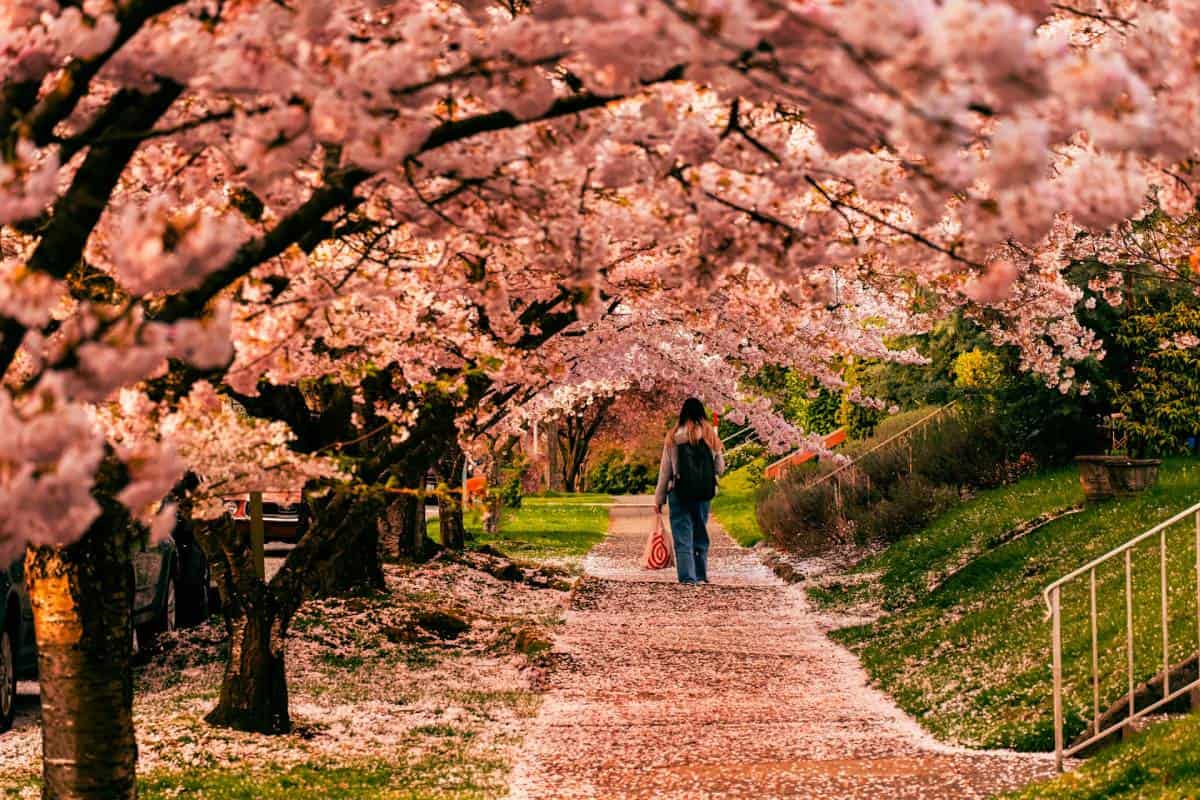
The annual Cherry Blossom Festival in Japan, one of the country’s most celebrated events, has been unexpectedly cancelled this year. This festival attracts millions of tourists and locals alike, celebrating the beauty of the iconic sakura trees in full bloom. The cancellation is significant not only for cultural reasons but also for the economic impact it brings to regions heavily reliant on tourism during this season.
Reasons for Cancellation
The primary reason cited for the cancellation is the ongoing effects of the COVID-19 pandemic, which have caused disruptions in travel and public gatherings. Additionally, severe weather conditions have hampered the blooming of cherry blossoms this year, leading authorities to reassess the feasibility of hosting large crowds safely. In a statement, the Japan National Tourism Organization noted, “The health and safety of our participants and citizens is our utmost priority, and we must make difficult decisions in light of these challenges.”
Impact on Local Communities
The cancellation of the Cherry Blossom Festival is expected to have profound effects on local economies. Regions such as Tokyo, Kyoto, and Osaka, which thrive during the festival thanks to influxes of visitors, may suffer from significant losses in revenue. Many small businesses, from food vendors to local artisans, depend on the festival to showcase their products and attract customers. The mayor of Tokyo expressed concern, stating, “This festival is not just about the blossoms; it’s a vital part of our economy and community spirit. We must look for alternate ways to support our citizens and local businesses during this challenging time.”
Looking Ahead
As Japan continues to navigate through the ongoing pandemic, officials vow to focus on alternative ways to celebrate the cherry blossom season safely. Virtual events and smaller, community-focused gatherings may take precedence, allowing locals to experience the beauty of the blossoms without the large crowds typically associated with the festival. Furthermore, projections indicate that by next year, as vaccination rates increase and travel restrictions are eased, the festival may return to its full grandeur, bringing hope to both residents and visitors alike.
Conclusion
The cancellation of the Japan Cherry Blossom Festival serves as a poignant reminder of the challenges posed by global events. For many, the blossoms signify renewal and hope, and despite this year’s challenges, the tradition endures. As communities adapt and prepare for future celebrations, the spirit of the cherry blossom will continue to bloom, symbolising resilience in the face of adversity.