









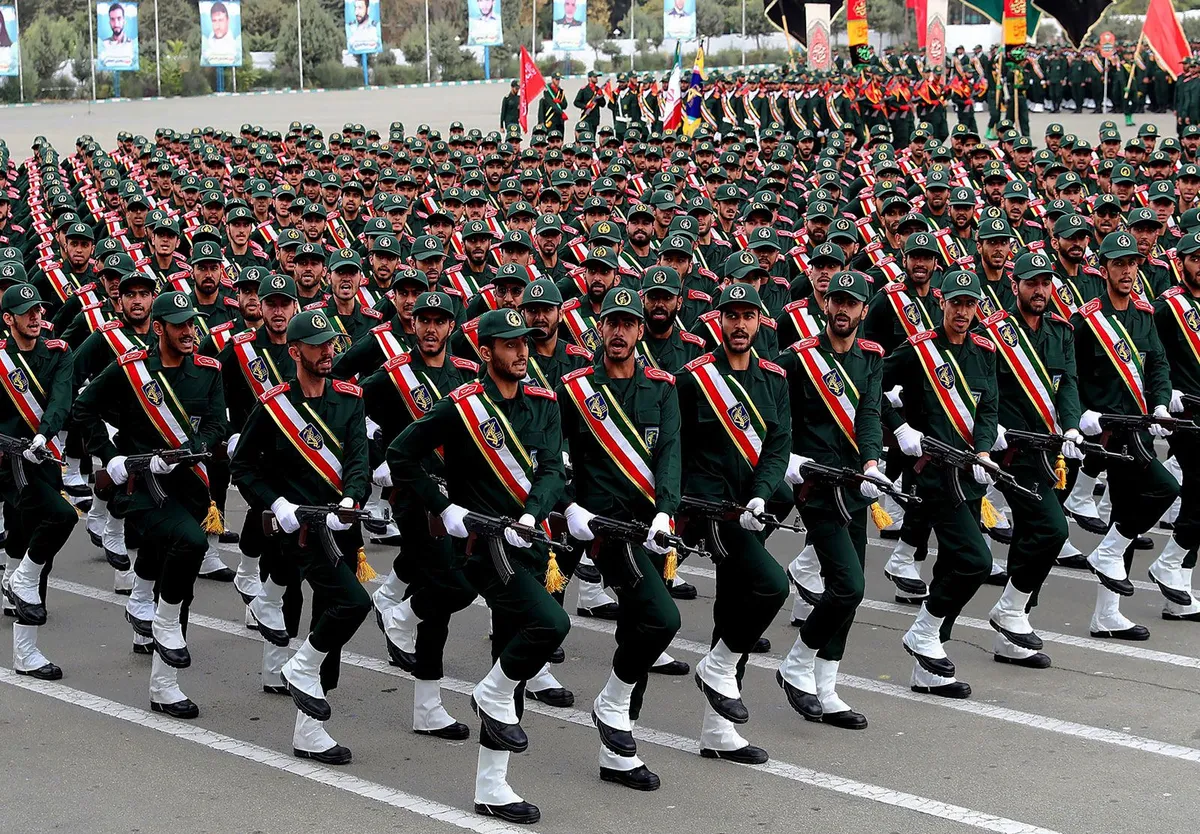
The Islamic Revolutionary Guard Corps (IRGC) has confirmed that it carried out a drone and missile strike on a petrochemical complex in Saudi Arabia’s Jubail region. This development marks a significant escalation in regional tensions, particularly amid ongoing threats to oil and gas supplies.
The IRGC stated that the strike was a direct response to alleged attacks on Iranian petrochemical facilities. In a stark warning, the IRGC indicated that it could disrupt oil and gas supplies in the region for years if the United States were to attack its civilian infrastructure.
According to the IRGC, the recent offensive against Iran, initiated by Israel and the US on February 28, has already resulted in over 1,340 casualties. This ongoing conflict has heightened fears of further escalations in the region.
In a statement, the IRGC declared, “We will damage the infrastructure of America and its partners, which will deprive the United States and its allies of oil and gas in the region for years.” This rhetoric underscores the potential for prolonged conflict and instability in the Middle East.
Despite the aggressive stance, the IRGC has previously exercised restraint, citing a commitment to good neighborliness. However, the recent developments suggest a shift in this approach as tensions rise.
US President Donald Trump has also threatened to retaliate against Iran, indicating a willingness to bomb power stations and bridges if Tehran does not reopen the Strait of Hormuz. Such threats further complicate the already volatile situation.
Regional tensions continue to escalate, with both sides preparing for potential further confrontations. The IRGC’s recent actions and statements signal a readiness to engage in more aggressive military responses.
As the situation unfolds, the international community watches closely, with concerns about the implications for global oil markets and regional stability. Details remain unconfirmed regarding the full extent of the damage from the IRGC’s strike.