








Introduction
The question of singer-songwriter Bad Bunny’s sexuality has sparked considerable interest among fans and media alike. As one of the most influential Latin artists today, known for his genre-defying music and bold personal style, Bad Bunny has become a cultural icon. Understanding his sexuality not only sheds light on his artistic expression but also reflects broader societal changes regarding acceptance and fluidity in gender and sexual identities.
Speculation and Rumours
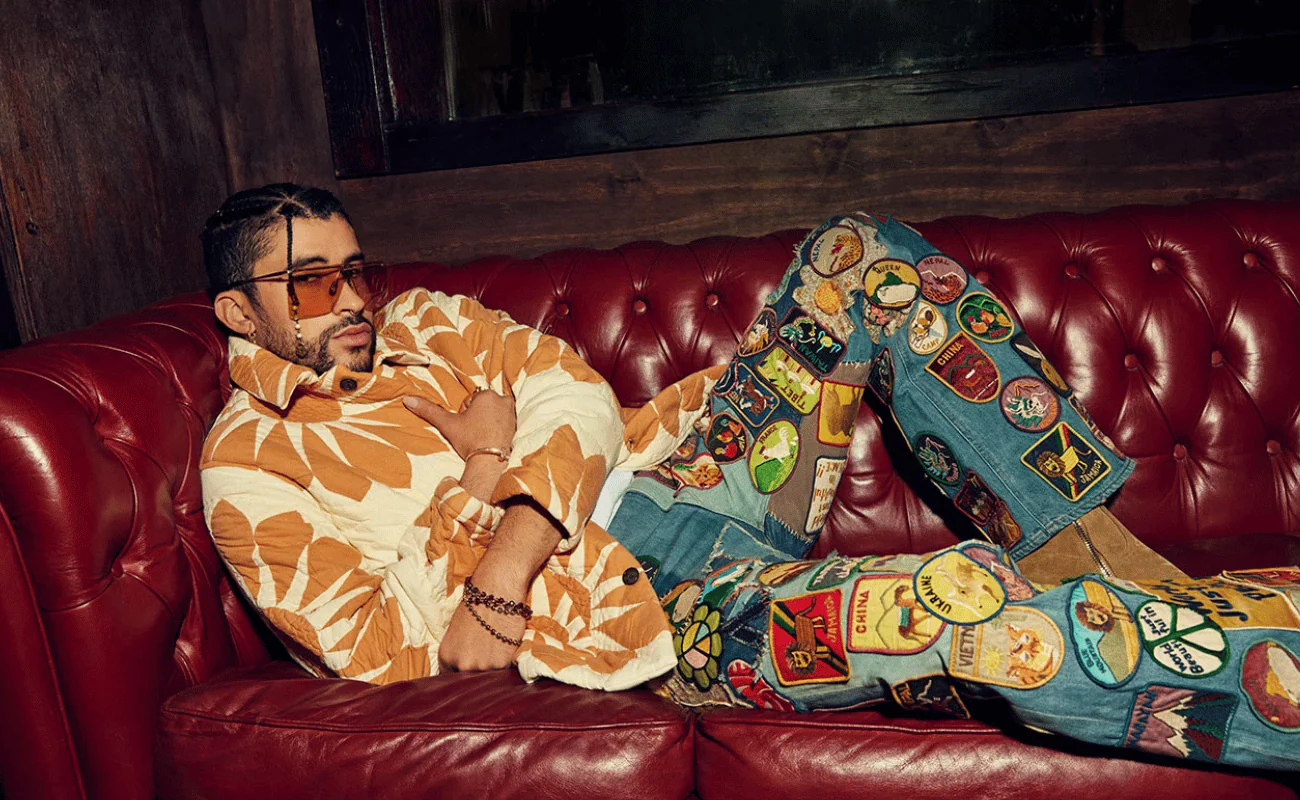
Bad Bunny, whose real name is Benito Antonio Martinez Ocasio, has often challenged traditional norms relating to masculinity and sexuality. In various interviews, he has expressed support for the LGBTQ+ community, promoting inclusion and acceptance. However, he has largely remained private about his personal relationships, leading to widespread speculation about his sexual orientation. Fans have pointed to his music videos and public appearances, where he frequently embraces gender nonconformity through fashion and themes of love, which have further ignited discussions about whether he identifies as gay, bisexual, or otherwise.
Responses to Questions
In a notable instance, during an Instagram Live, Bad Bunny addressed the topic, stating that he does not feel the need to label his sexuality. He emphasised that love is love, expressing his support for everyone to live authentically. His statements indicate a desire to challenge societal labels and expectations while advocating for freedom in expressing one’s identity without the constraints of predefined categories.
Impact on Culture
As a prominent figure in the reggaeton and Latin music scene, Bad Bunny’s openness about gender fluidity and sexuality contributes significantly to the discourse around these topics within a genre traditionally dominated by hypermasculinity. His success has empowered many young people to embrace their identities and has fostered a more inclusive environment in the music industry. Several LGBTQ+ advocacy groups have publicly praised him for his contributions to representation.
Conclusion
While the question of whether Bad Bunny is gay remains open-ended, what is clear is his unwavering commitment to self-expression and support for the LGBTQ+ community. His impact extends beyond music, inspiring conversations about love, acceptance, and the breaking down of gender norms. As societal views evolve, artists like Bad Bunny play an essential role in promoting a culture of understanding and inclusivity. Ultimately, the conversation around his sexuality reflects broader themes of personal freedom and societal acceptance, resonating deeply with fans around the world.