








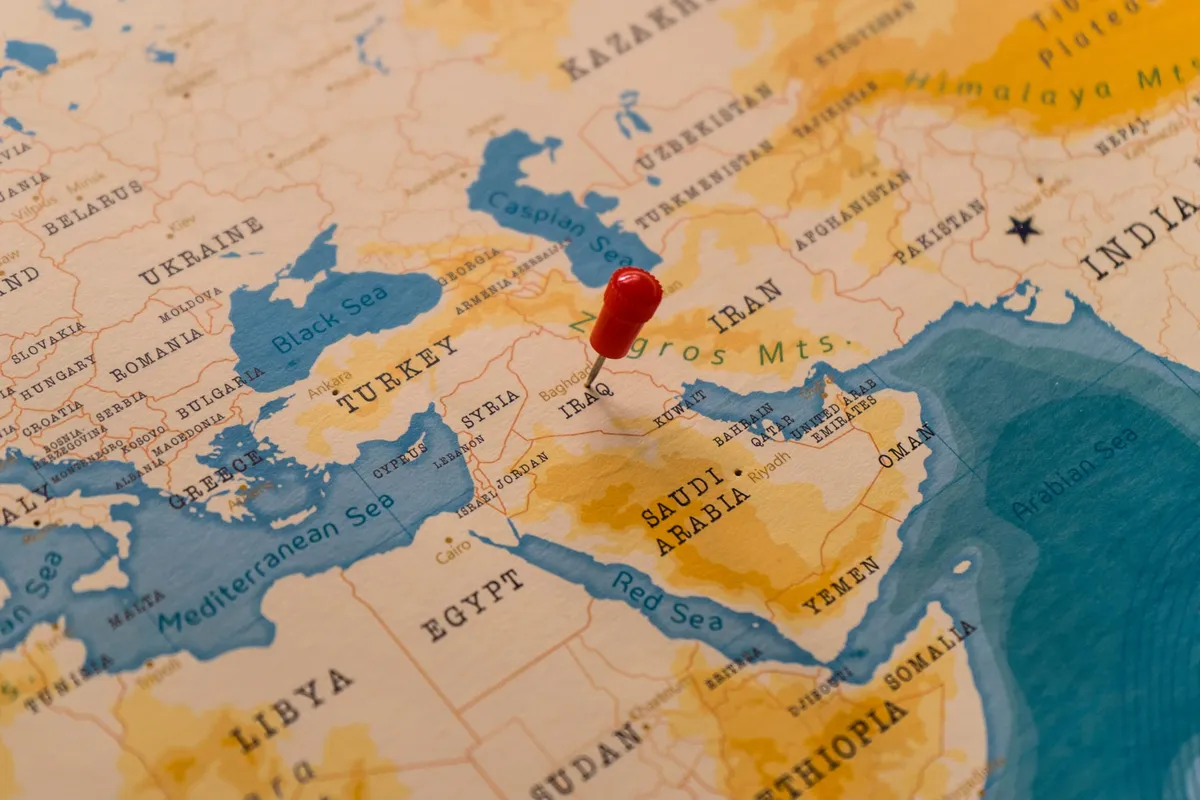
Before the recent election, Iraq faced a prolonged political deadlock that lasted five months, leaving the country without a functioning government since the November elections. The situation had become increasingly tense, with various factions vying for power and a lack of consensus on leadership. The expectation was that a resolution would come soon, but the stalemate persisted, causing frustration among citizens and political leaders alike.
The decisive moment came on April 11, 2026, when Nizar Amedi was elected as Iraq’s new president, securing 227 votes in parliament. This election marked a significant turning point, as Amedi became the sixth head of state since the removal of Saddam Hussein in 2003. His election ended a period of uncertainty and political paralysis, which had seen Iraq go almost 150 days without a new government.
Amedi’s election is expected to have immediate effects on the political landscape. He has pledged to work alongside all three branches of government and emphasized the principle of ‘Iraq First’. This commitment aims to foster unity and cooperation among various political factions, which is crucial for stabilizing the country.
In the wake of Amedi’s election, Iraqi Foreign Minister Fuad Hussein engaged in discussions with his Pakistani counterpart, Mohammad Ishaq Dar, focusing on ceasefire efforts and regional stability. Pakistan’s President Asif Ali Zardari expressed a desire to enhance cooperation with Iraq, indicating a potential shift in foreign relations following the election.
However, the backdrop of ongoing conflict complicates the situation. Iran-backed armed groups in Iraq have launched attacks on US bases amid the US-Israel war on Iran, leading to airstrikes targeting these militias. The geopolitical tensions have further strained Iraq’s security environment and could impact Amedi’s ability to govern effectively.
Moreover, Iran’s actions, including the effective closure of the Strait of Hormuz, have significantly impacted Iraq’s oil exports, which are vital for the country’s economy. This adds another layer of complexity to Amedi’s presidency as he navigates both domestic and international challenges.
Experts note that Amedi’s leadership will be closely scrutinized, given the scale of challenges facing Iraq. As he stated, “I am fully aware of the scale of challenges facing our country.” His ability to unite the fractured political landscape and address pressing issues will be critical for Iraq’s future stability.
As the situation develops, the international community will be watching closely to see how Amedi’s administration responds to both internal and external pressures. The coming weeks will be crucial as he has 15 days to formally task the nominee of the largest parliamentary bloc with forming a cabinet.