






Introduction
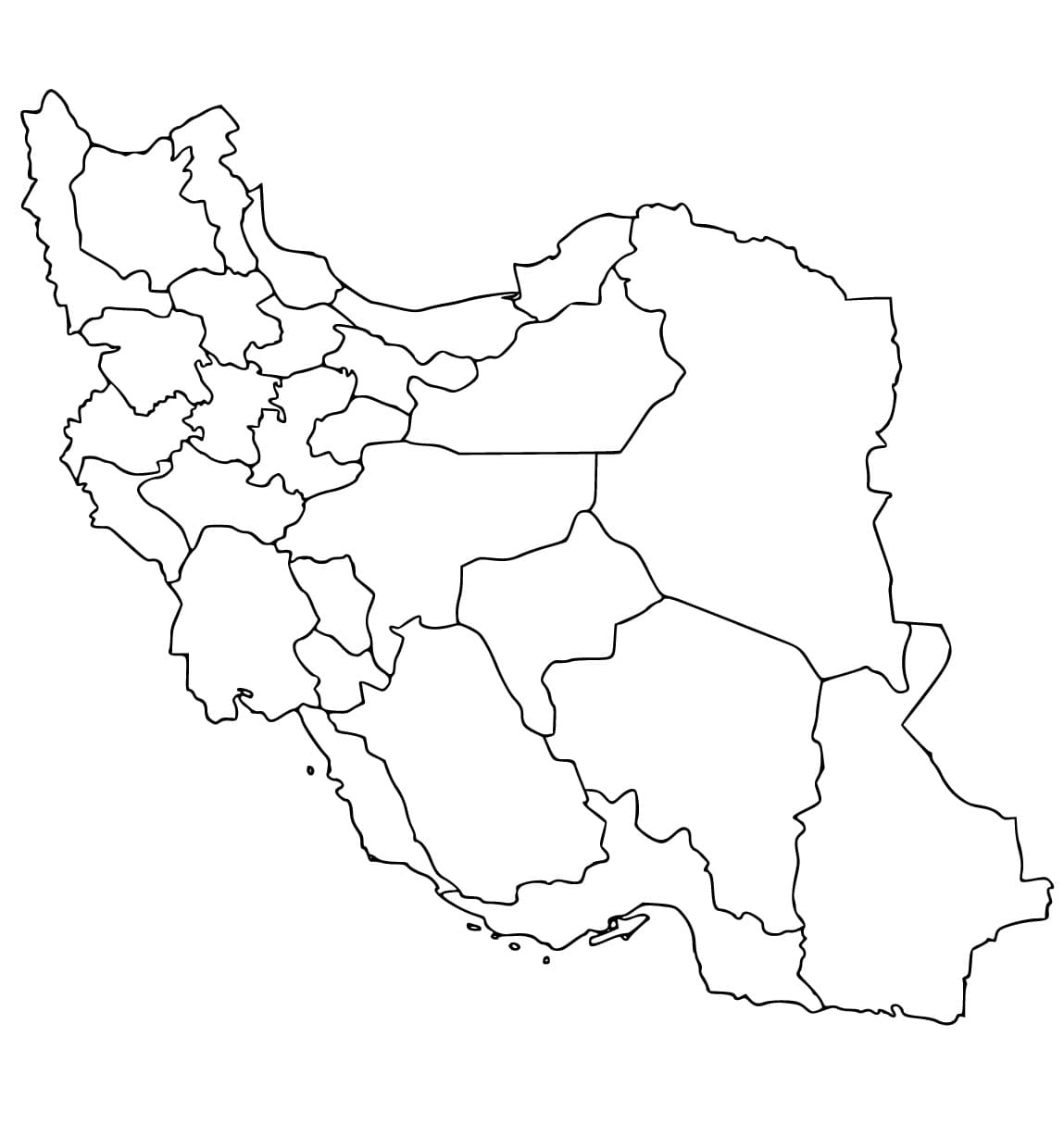
Iran has long been a focal point of geopolitical interest due to its strategic location and rich resources, particularly oil and natural gas. In recent years, its political landscape has been significantly impacted by internal and external pressures, making it an important topic for international relations. Understanding recent developments in Iran is crucial for policymakers, analysts, and citizens worldwide due to its implications for security, energy markets, and regional stability.
Political Landscape and Recent Developments
The internal situation in Iran has been tumultuous since the widespread protests in 2022, which were sparked by the death of Mahsa Amini while in police custody. The demonstrations advocated for women’s rights and greater personal freedoms, leading to a robust government crackdown. As of early 2023, social unrest continues as the government struggles to balance the demands for reform with traditional strategies to maintain power. Furthermore, the political climate has also been influenced by the Iranian presidential elections held in 2021, which brought hardliner Ebrahim Raisi to power, shaping the government’s approach towards both domestic policies and international relations.
International Relations and Sanctions
Iran’s relationships with Western nations have been strained, especially regarding its nuclear programme. The 2015 Joint Comprehensive Plan of Action (JCPOA), designed to restrict Iran’s nuclear capabilities, encountered setbacks after the US withdrew in 2018 and reinstated sanctions. In recent months, there have been attempts to revive negotiations, but they have faced significant roadblocks, particularly surrounding Iran’s ballistic missile program and its support for proxy groups in the region. Additionally, the ongoing conflict in Ukraine has led to heightened tensions as Iran has been accused of providing military support to Russia.
Economic Impact and Future Outlook
The economic situation in Iran remains fragile, exacerbated by a combination of extensive sanctions and mismanagement. The currency has plummeted, leading to rampant inflation, affecting daily life for Iranians. According to the Iranian Statistical Center, inflation rates reached over 40% in mid-2023, marking a dire economic environment. The future will likely see Iran grappling with these economic challenges while navigating its complex international relationships.
Conclusion
Iran’s position in global affairs is increasingly significant, particularly in relation to energy security and geopolitical stability in the Middle East. As the country continues to confront internal dissent while under the weight of international sanctions, its path forward will be pivotal for regional and global dynamics. Observers of international relations should closely monitor these developments, as Iran’s actions and strategies could have far-reaching implications well beyond its borders, affecting global markets and security frameworks in the years to come.