





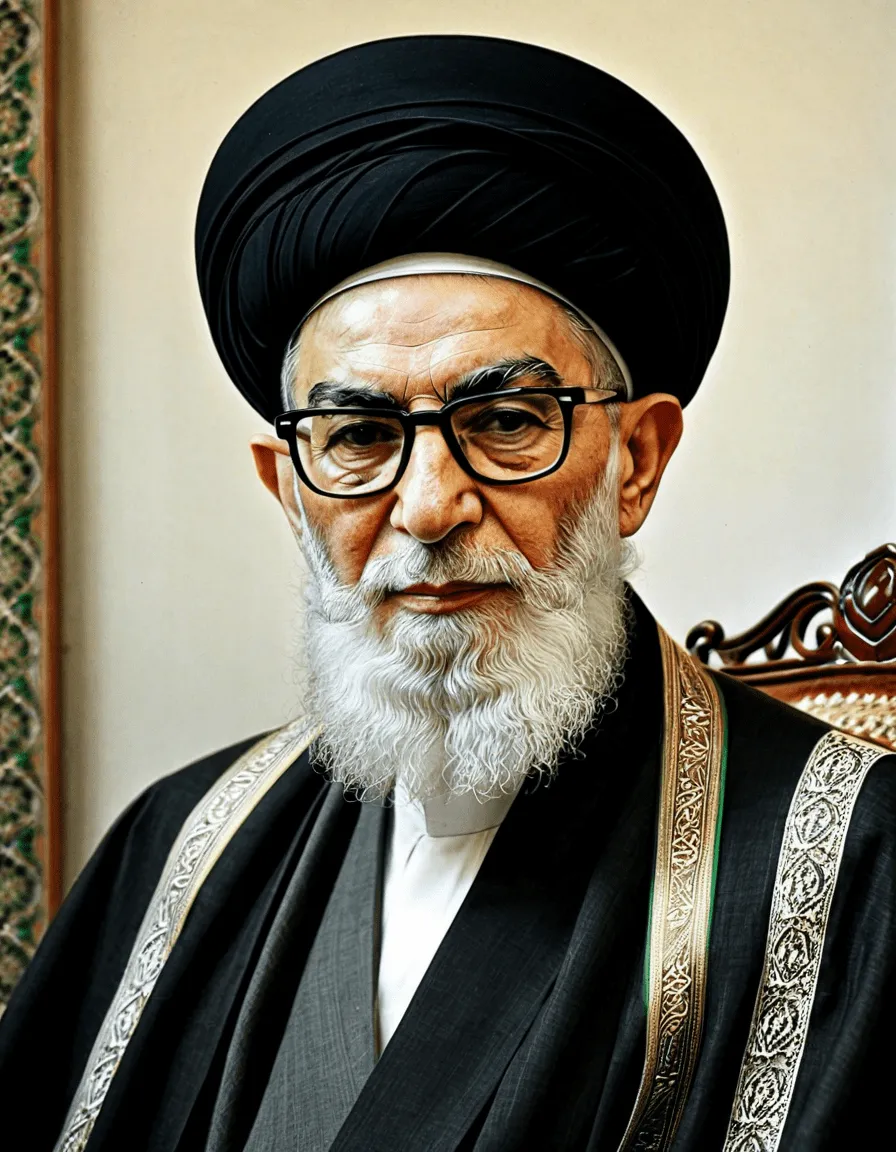
Transition of Power
The political landscape in Iran has undergone a dramatic transformation following the assassination of Ayatollah Ali Khamenei on February 28, 2026. For 37 years, Ali Khamenei served as the Iranian supreme leader, guiding the nation through various challenges, including international sanctions and regional conflicts. His leadership was characterized by a strong stance against Western influence, particularly from the United States and Israel. However, the recent events have shifted expectations as his son, Mojtaba Khamenei, has now assumed the role of supreme leader.
Decisive Moment
The decisive moment came with the assassination of Ali Khamenei, which was part of a coordinated attack involving US and Israeli forces. Following this event, Mojtaba Khamenei was appointed as the new supreme leader by Iran’s Assembly of Experts on March 6, 2026. In his first statement, he called for national unity and vowed to keep the Strait of Hormuz closed to pressure Iran’s enemies. He also declared that all US bases in the region should be closed or face potential attacks, signaling a continuation of his father’s aggressive foreign policy.
Immediate Effects
The immediate effects of this transition have been profound. Mojtaba Khamenei’s statements have raised tensions in the region, particularly with the US and Israel. He expressed gratitude to Iran’s military for their role in preventing the country from being dominated or divided during the recent attacks. Furthermore, he vowed to avenge the blood of martyrs, referencing the tragic missile strike on a primary school in Minab that resulted in the deaths of an estimated 175 individuals. This incident has further fueled calls for retaliation against perceived enemies.
Expert Perspectives
Experts have weighed in on the implications of Mojtaba Khamenei’s leadership. Zohreh Kharazmi, a political analyst, stated, “Sustainable security is the very basic right of a nation,” highlighting the challenges the new leader faces in maintaining stability amid ongoing conflict. Additionally, Ali Larijani, a prominent Iranian politician, emphasized the need for a strong response to external threats, asserting, “We will not relent until making you sorry for this grave miscalculation.” These sentiments reflect a broader consensus on the necessity of a robust defense strategy in light of recent events.
Uncertainties Ahead
Despite the strong rhetoric from the new supreme leader, uncertainties loom over his ability to lead effectively. Mojtaba Khamenei’s health status remains unclear, as he has not been seen in public since the attack on his father’s compound. This absence has raised questions about his legitimacy and capacity to navigate the complex political landscape of Iran. Moreover, the long-term implications of his leadership style and decisions remain to be seen.
Strategic Leverage
Mojtaba Khamenei has indicated that the blocking of the Strait of Hormuz will continue to be used as leverage against adversaries. He stated, “The lever of blocking the Strait of Hormuz must definitely be used,” underscoring the strategic importance of this vital waterway, which is the narrowest point at 54 kilometers (34 miles) wide. The Strait is crucial for global oil shipments, and any disruption could have significant economic repercussions, including a spike in oil prices, which recently hit $100 per barrel.
As Iran navigates this new chapter under Mojtaba Khamenei, the international community watches closely. The transition of power has not only altered the internal dynamics of Iranian politics but has also heightened tensions with the US and Israel. With millions displaced by ongoing conflicts and a rising death toll reported by Iran’s health ministry, the stakes are higher than ever. Details remain unconfirmed regarding the new leader’s health and the future direction of Iran’s policies, leaving many questions unanswered as the situation evolves.