









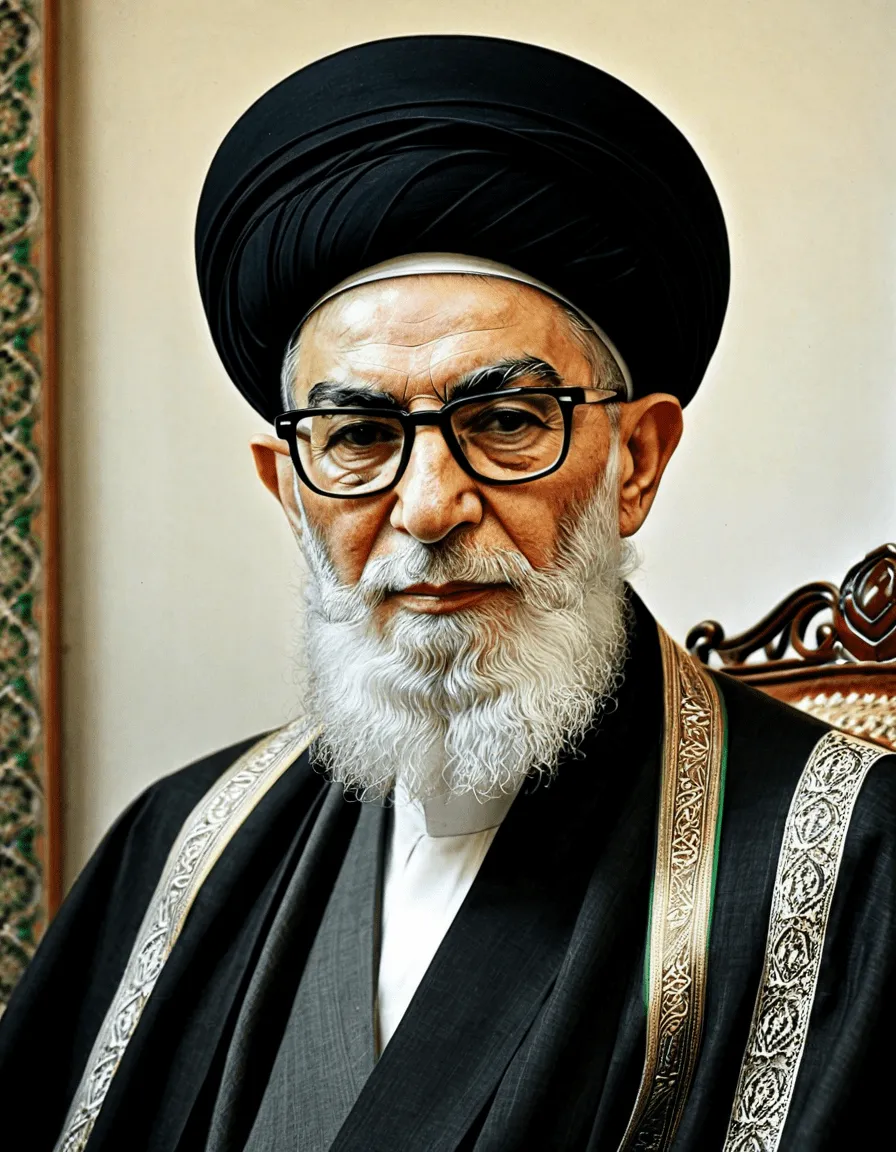
Mojtaba Khamenei’s Ascension
Mojtaba Khamenei was appointed as the new Iranian supreme leader on March 8, 2026, following the assassination of his father, Ali Khamenei, on February 28, 2026. This significant shift in leadership marks a pivotal moment in Iran’s political landscape, as expectations surrounding the new leader’s approach and influence are closely scrutinized.
Prior to this development, Ali Khamenei, who was 86 years old at the time of his death, had been a dominant figure in Iranian politics for decades. His leadership was characterized by a hardline stance, particularly in foreign relations and internal governance. The Iranian populace and international observers had anticipated a continuation of his policies, given the lack of significant political alternatives within the ruling structure.
Immediate Changes and Reactions
The decisive moment came with the Assembly of Experts, which comprises 88 members, naming Mojtaba Khamenei as the new supreme leader. Despite having never held an official government position, he is regarded as influential within Iran’s power structure, particularly due to his close ties with the Islamic Revolutionary Guard Corps (IRGC).
In the wake of his appointment, the Assembly of Experts urged the Iranian people to support the new leader and maintain unity. However, the transition has not been without controversy, as Mojtaba is seen as a continuation of his father’s hardline rule, raising concerns among reformists and moderates within the country.
Expert Perspectives
Experts have noted that Mojtaba Khamenei is often described as enigmatic yet one of the most influential figures in Iran’s power corridors. His background includes studying theology in Qom and participating in the Iran-Iraq war during the 1980s, which adds layers to his profile as a leader.
Internationally, reactions have varied. Former U.S. President Donald Trump referred to Mojtaba as a “lightweight,” suggesting skepticism about his capabilities. The geopolitical implications of his leadership remain a topic of discussion, particularly concerning the ongoing tensions with Israel, which has vowed to monitor any successor closely.
Additionally, sanctions imposed on Mojtaba Khamenei in 2019, when he was viewed as representing his father despite not being elected, highlight the complexities surrounding his new role. The Iranian economy, which is significantly influenced by entities under Ali Khamenei’s control, faces challenges that will test the new leader’s governance.
As the nation adjusts to this leadership change, the future direction of Iran under Mojtaba Khamenei will be closely watched, both domestically and internationally. Details remain unconfirmed regarding the long-term implications of his leadership on Iran’s political and economic landscape.