







Mojtaba Khamenei’s Ascension
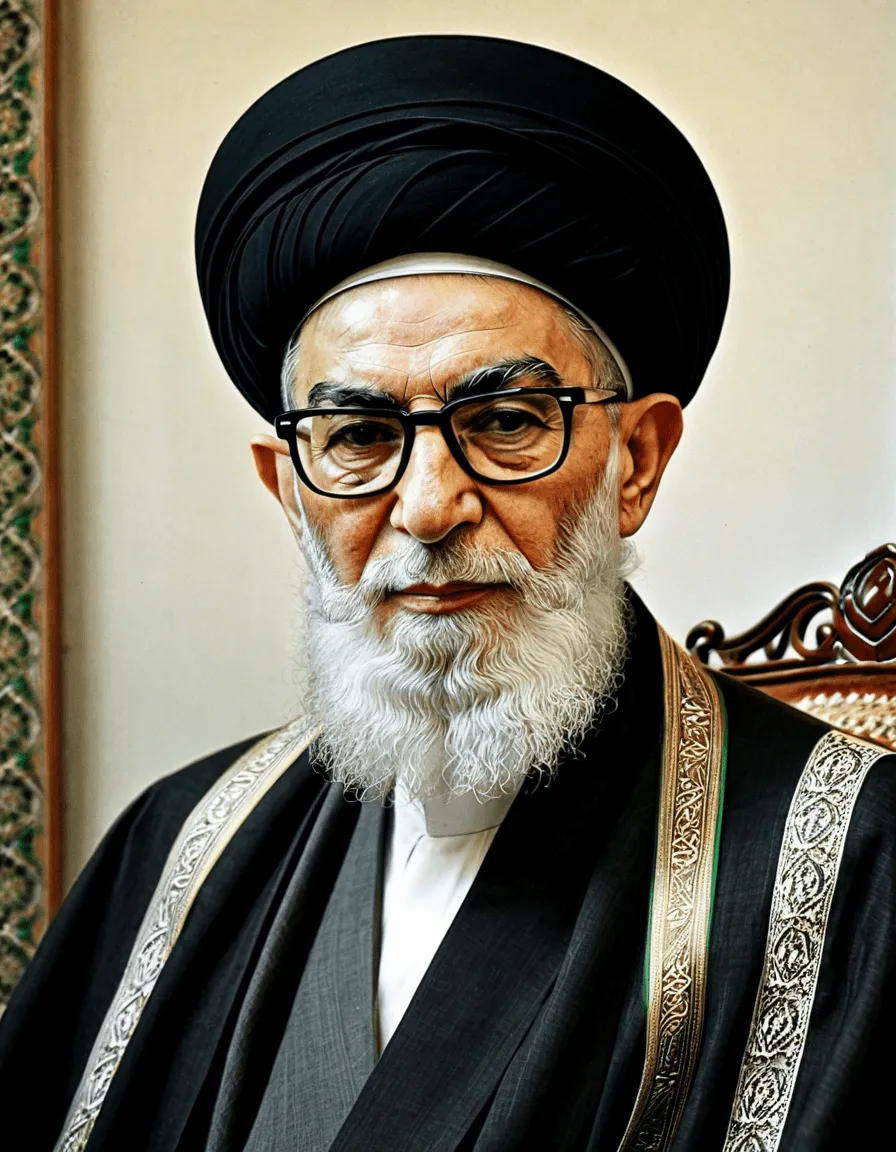
Mojtaba Khamenei was appointed as the new Iranian supreme leader on March 8, 2026, following the assassination of his father, Ali Khamenei, who was 86 at the time of his death. This development marks a pivotal moment in Iran’s political landscape, as the nation transitions from the long-standing rule of Ali Khamenei, who had held power since 1989.
Prior to this change, there was widespread speculation about Mojtaba’s influence behind the scenes during his father’s tenure. Despite never holding an official government position, he was regarded as an influential figure within Iran’s power structure, particularly due to his close ties with the Islamic Revolutionary Guard Corps (IRGC).
The Assembly of Experts’ Role
The Assembly of Experts, which consists of 88 members, played a crucial role in Mojtaba’s appointment. They urged the Iranian populace to support the new leader and maintain unity during this transitional period. Mojtaba’s selection is seen as a continuation of his father’s hardline policies, which have characterized Iran’s governance for decades.
In the immediate aftermath of the appointment, reactions varied. Some experts describe Mojtaba as enigmatic yet influential, suggesting that his leadership could further entrench the existing power dynamics within Iran. Conversely, former U.S. President Donald Trump dismissed Mojtaba as a “lightweight,” indicating skepticism about his capabilities as a leader.
Impact on Iran’s Political Landscape
Mojtaba Khamenei’s ascension is expected to have significant implications for both domestic and international politics. His leadership comes at a time when Iran’s economy is heavily influenced by entities under his father’s control, with approximately 60% of the economy operated through holding companies linked to the late supreme leader.
Moreover, the geopolitical landscape remains tense, with ongoing threats from external actors. A statement from an unidentified source warned that “the hand of the State of Israel will continue to follow any successor and anyone who seeks to appoint a successor,” highlighting the precarious nature of Iran’s position in the region.
As the new supreme leader, Mojtaba Khamenei faces the challenge of navigating these complexities while maintaining the support of key factions within Iran, particularly the IRGC, which has been a pillar of the regime’s power.
Details remain unconfirmed regarding the full extent of Mojtaba’s plans for his leadership, but his past involvement in the Iran-Iraq war and his theological education in Qom suggest a leader who is both experienced and deeply rooted in the ideological foundations of the Islamic Republic.