







What the data shows
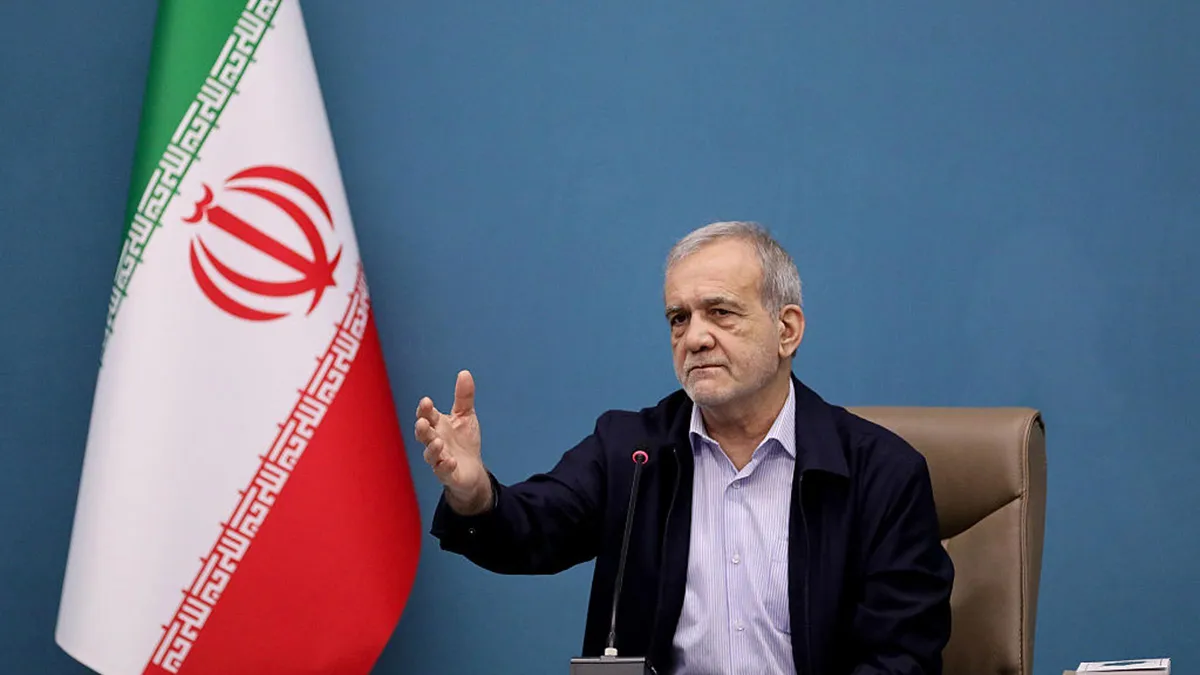
What interests are truly being served by the ongoing US-Israeli war on Iran? This question was posed by Iranian President Masoud Pezeshkian in an open letter directed at the American public. Pezeshkian’s letter comes in the wake of escalating military actions that began on February 28, 2026, raising concerns about the motivations behind such a conflict.
Pezeshkian asserts that Iran has never initiated any war in its modern history, emphasizing that the perception of Iran as a threat is largely a construct of political and economic interests of powerful entities. He stated, “Exactly which of the American people’s interests are truly being served by this war?” This rhetorical question highlights his skepticism regarding the justification for the military actions taken against Iran.
In his letter, Pezeshkian expressed that Iran holds no enmity towards other nations or the American people, a sentiment he believes is often overlooked in the narrative surrounding the conflict. He further questioned whether the Trump administration was influenced by Israeli interests in its decision to engage in military action against Iran, suggesting a manipulation of US foreign policy.
Pezeshkian characterized the attacks on Iran’s vital infrastructure, which include energy and industrial facilities, as war crimes that not only target the Iranian people but also contribute to regional instability. He stated, “Attacking Iran’s vital infrastructure – including energy and industrial facilities – directly targets the Iranian people,” underscoring the humanitarian implications of the conflict.
Furthermore, Pezeshkian warned that the path of continued confrontation is increasingly costly and futile, stating, “Continuing along the path of confrontation is more costly and futile than ever before.” This statement reflects his belief that ongoing hostilities will not lead to a resolution but rather exacerbate the situation for all parties involved.
The letter was disseminated by Iran’s state-run broadcaster PressTV and was posted on social media shortly before Trump’s national address regarding the Iran war. This timing suggests an attempt to influence public opinion and international discourse surrounding the conflict.
As the situation evolves, the implications of Pezeshkian’s letter and the responses from the US and Israel remain to be seen. Details remain unconfirmed regarding the potential for diplomatic resolutions or further military escalations, leaving the future of US-Iran relations uncertain.