









What the data shows
The question of whether a ceasefire can be achieved in the ongoing Iran war is pressing, as proposals have been circulated to both Washington and Tehran. Despite these efforts, the situation remains precarious, with Iran indicating it will not agree to a temporary ceasefire until its core demands, including financial reparations, are met.
Recent discussions have involved mediators from Pakistan, Egypt, and Turkey, who are working to facilitate a potential 45-day ceasefire. However, Iranian officials have made it clear that they will not reopen the Strait of Hormuz to merchant shipping as part of any temporary agreement. This strait is a crucial waterway for global energy shipments and has been effectively closed for over six weeks due to the ongoing conflict.
As tensions escalate, former President Donald Trump has issued stark warnings, threatening to bomb Iran’s power plants and bridges if the Strait of Hormuz is not reopened by Tuesday. He stated, “Open the f****** strait, you crazy bastards, or you’ll be living in hell – just watch.” This rhetoric underscores the high stakes involved in the negotiations and the potential for further military escalation.
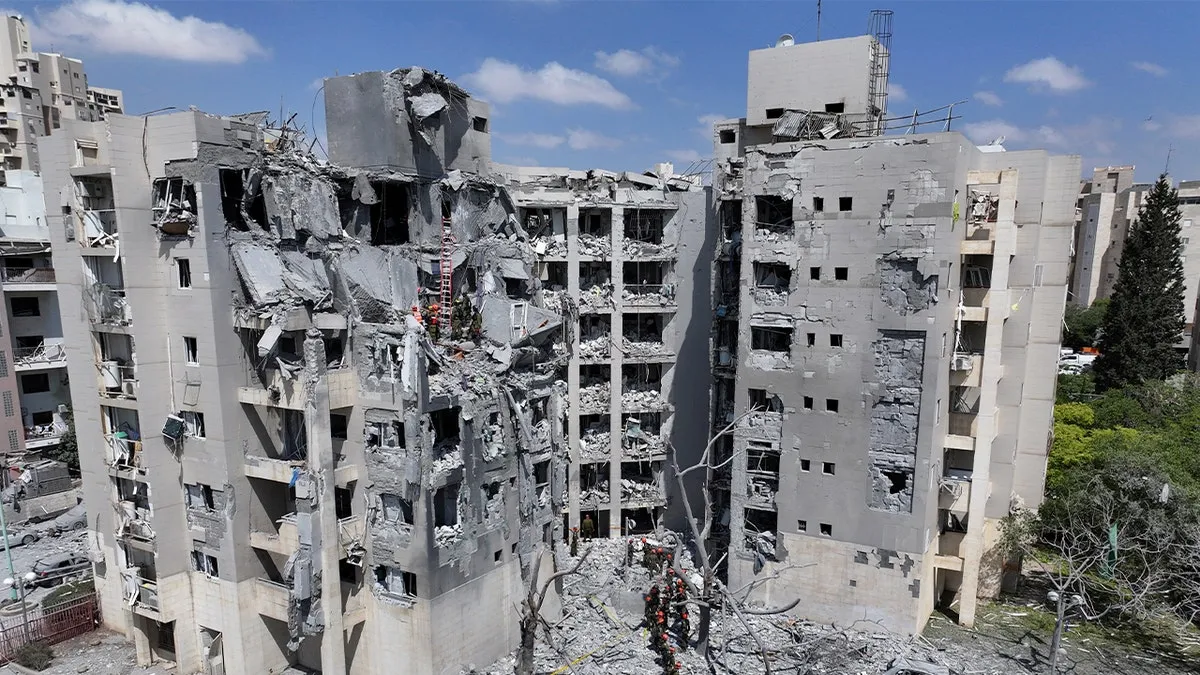
In the backdrop of these threats, Iran’s military command has warned of a “much more devastating” retaliation should the United States and Israel continue their attacks. The conflict has already seen significant casualties, with reports indicating that 25 people have been killed in Iranian strikes, including four confirmed dead in Haifa, Israel, and 15 fatalities in Lebanon due to strikes.
The economic ramifications of the conflict are also significant, with oil prices surging dramatically worldwide. Brent crude is currently trading at around $109 a barrel, reflecting a 65 percent increase from pre-war levels. This spike in oil prices is a direct consequence of the conflict and the uncertainty surrounding the ceasefire negotiations.
Iran’s foreign ministry spokesperson has emphasized that negotiations cannot proceed under ultimatums and threats, stating, “Iran does not hesitate to clearly express what it considers its legitimate demands and doing so should not be interpreted as a sign of compromise.” This statement highlights the complexities of the negotiations and the deep-rooted issues that remain unresolved.
Details remain unconfirmed regarding the effectiveness of the ceasefire proposal and whether it will halt the fighting. As of now, Iran has not committed to the ceasefire proposals despite ongoing discussions, leaving the future of the conflict uncertain.