









Reaction from the field
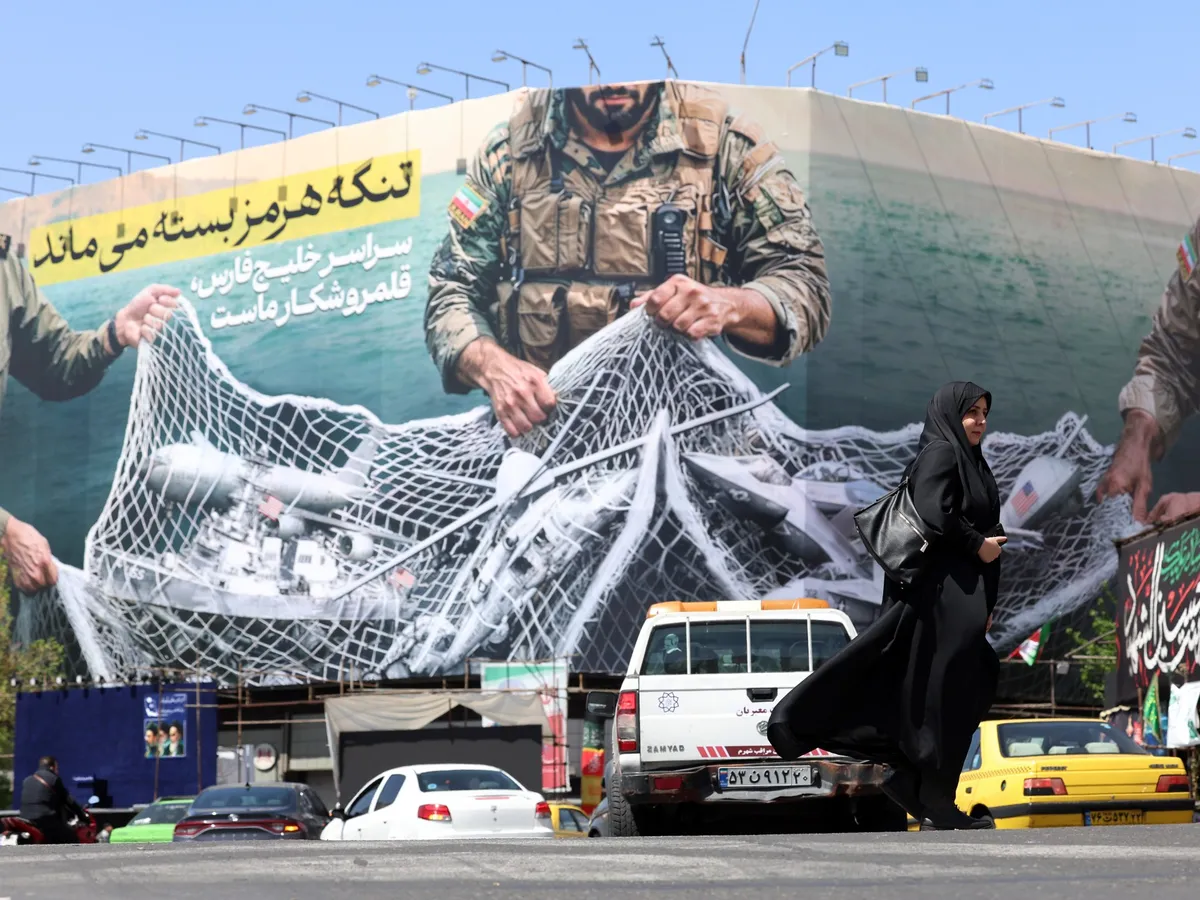
Tensions in the Middle East have escalated significantly as U.S. President Donald Trump warned that Iran’s recent proposal to end the ongoing conflict is insufficient to avert threats to critical infrastructure unless Iran agrees to reopen the strategically vital Strait of Hormuz. This waterway is crucial, with approximately 20 percent of the world’s oil supplies passing through it.
Trump has set a firm deadline for Iran, stating that a deal must be reached by Tuesday, which he emphasized would be final. The Iranian government, however, has rejected a 45-day ceasefire proposal put forward by Pakistan, instead demanding a permanent end to hostilities. This rejection comes amid ongoing military actions, including an Israeli strike on a key petrochemical plant in Iran.
The Iranian proposal consists of ten clauses, which include calls for an end to regional conflicts and the lifting of sanctions imposed by the international community. In response to Trump’s warnings, Iran’s military dismissed them as ‘delusional’ and characterized them as baseless threats. The White House has confirmed that while the ceasefire proposal is under consideration, Trump has yet to sign off on it, indicating ongoing deliberations.
In the backdrop of these developments, the conflict has resulted in significant human costs, with Iran’s ambassador to the UN reporting that approximately 1,500 civilians have been killed. Additionally, a U.S. strike on an Iranian elementary school reportedly resulted in the deaths of 175 individuals. The humanitarian impact is severe, with around 3.2 million people displaced due to the ongoing violence, and 13 U.S. service members have also lost their lives in the conflict.
Despite the dire situation, Trump has downplayed concerns regarding the conflict, stating, “I’m not worried about it.” This sentiment reflects a broader strategy that appears to prioritize military operations, as indicated by a White House official who noted, “This is one of many ideas, and POTUS has not signed off on it. Operation Epic Fury continues.” The ongoing military operations and rhetoric suggest that the U.S. is prepared to maintain its current course despite international calls for de-escalation.
The National Petrochemical Company has reported that the situation following the Israeli strike is ‘under control,’ but the implications of these military actions continue to reverberate throughout the region. As the conflict persists, the potential for further escalation remains high, particularly with Iran’s insistence on a comprehensive resolution rather than a temporary ceasefire.
Details remain unconfirmed regarding the broader implications of these developments on international oil markets and regional stability. The situation continues to evolve, and further developments are expected as both sides navigate the complexities of diplomacy and military strategy in a highly volatile environment.