







How it unfolded
In recent months, the energy crisis in Pakistan has intensified, driven by geopolitical tensions and rising costs of imported energy. Pakistan, which imports about 80 percent of its energy from the Gulf, has faced severe fuel shortages, prompting authorities to take drastic measures. Schools have been closed, and a four-day working week has been introduced for government offices to conserve fuel.
As the situation escalated, Pakistani Prime Minister Shehbaz Sharif made the decision to refrain from increasing petrol and diesel prices before the Eid Al-Fitr holiday, despite the pressures of rising costs. This decision reflects the government’s attempt to alleviate public discontent amid soaring inflation rates and economic difficulties.
Meanwhile, neighboring Bangladesh is also grappling with its energy crisis, importing about 95 percent of its oil. The country is expected to exhaust its fuel reserves within days, highlighting the precarious situation in the region. Sri Lanka, which imports around 60 percent of its energy needs, has declared every Wednesday a public holiday to conserve fuel, further illustrating the widespread impact of the energy shortages.
On March 10, Egypt announced significant price hikes for petrol, diesel, and cooking gas, ranging between 15 and 22 percent. This move is part of a broader trend affecting developing economies in Asia, Africa, and the Middle East, which are heavily reliant on imported energy. The ongoing US-Israeli conflict with Iran has exacerbated these challenges, leading to surging energy costs that are straining the economies of these countries.
Experts warn that the situation is dire. S Akbar Zaidi noted, “The overall shock is quite severe, although it has not been fully passed on to consumers and to industry.” This sentiment is echoed by Yeah Kim Leng, who stated, “For a majority of developing economies, especially those already grappling with debt and high import dependence, they are facing a potent mix of inflation, currency pressures and fiscal strains.”
In Pakistan, the high diesel prices are particularly concerning as they threaten the country’s agricultural sector. Khalid Waleed emphasized that “Diesel is the backbone of Pakistan’s freight and agricultural economy,” indicating that the rising costs could have long-term implications for food inflation and overall economic stability.
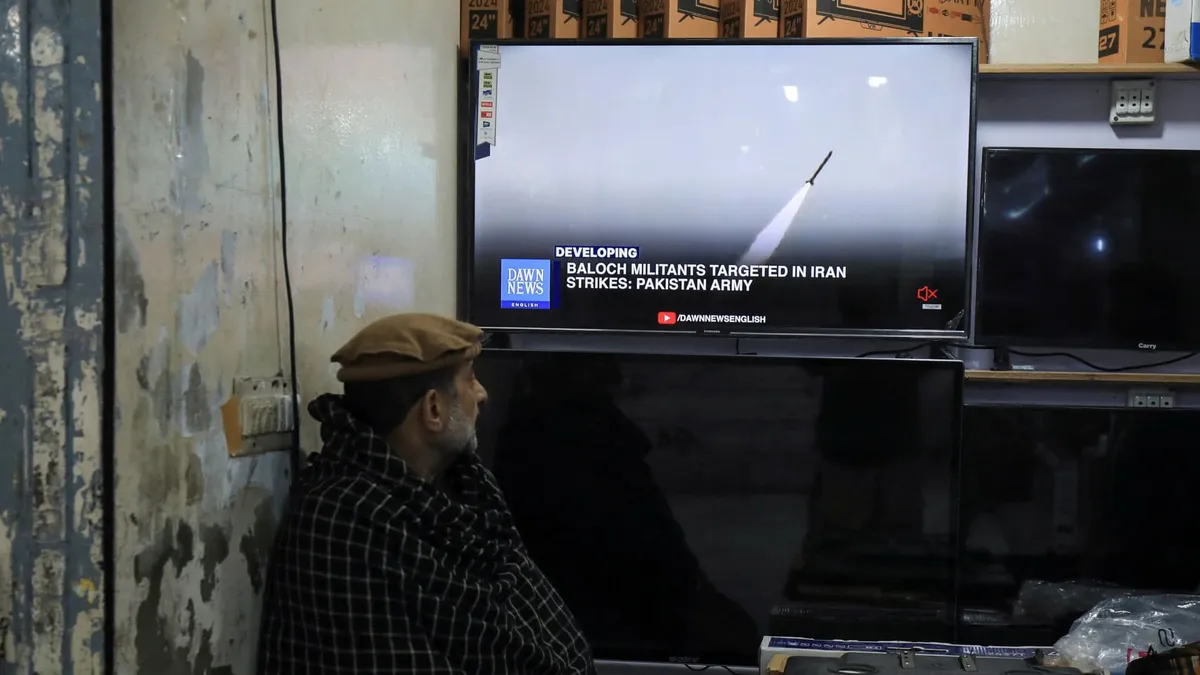
As the energy crisis continues to unfold, the implications for Iran-Pakistan relations and the broader region remain significant. The interdependence of these nations in terms of energy resources and economic stability underscores the need for cooperative solutions to address these pressing challenges. The current state of affairs highlights the vulnerabilities faced by developing economies in the Global South, as they navigate the complexities of geopolitical conflicts and their economic repercussions.