









Recent Developments
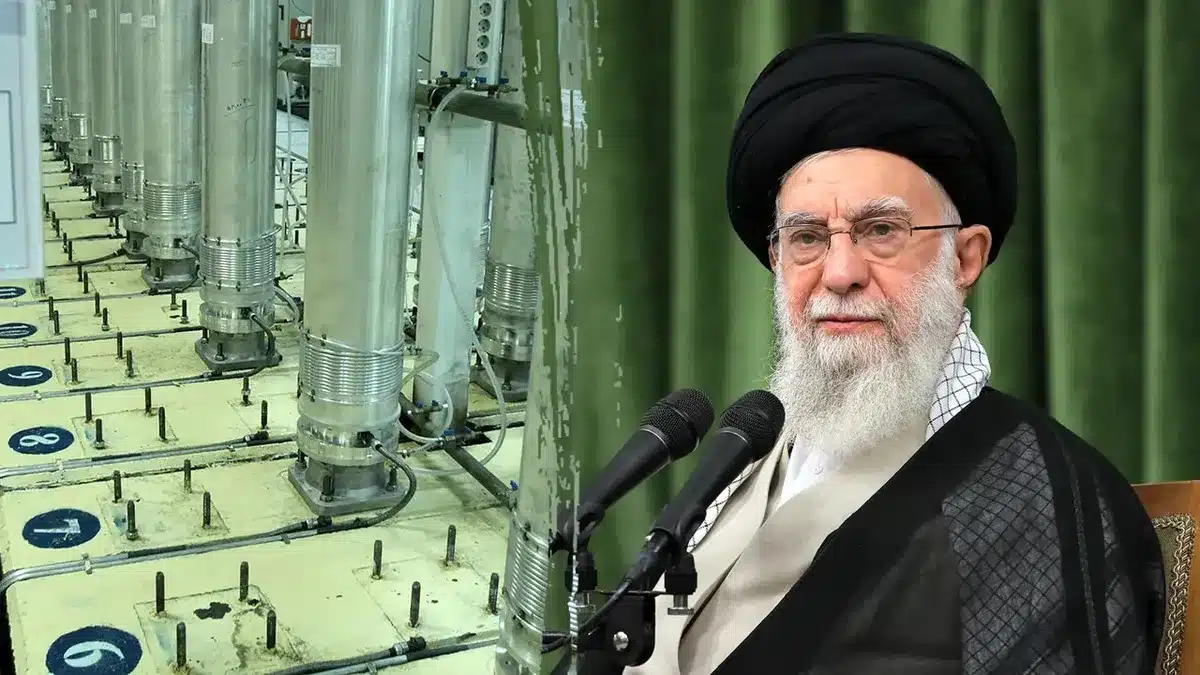
On March 3, 2026, reports emerged regarding significant developments in Iran’s nuclear power sector, particularly concerning the Natanz nuclear enrichment facility, which has recently suffered damage attributed to US-Israeli attacks. The International Atomic Energy Agency (IAEA) confirmed that no radiological consequences are expected from this damage.
Immediate Circumstances
The Natanz facility, one of Iran’s three uranium-enrichment plants, has been a focal point of international scrutiny. IAEA chief Rafael Grossi stated that there is no evidence of a coordinated Iranian program to build nuclear weapons, although Iran has enriched uranium to 60 percent purity, raising alarms about its nuclear ambitions.
In a related development, Rosatom CEO Alexei Likhachyov warned that the ongoing US-Israeli attacks pose threats to the Bushehr nuclear power plant, which has been operational since 2011 with a capacity of 1,000 megawatts. Construction of two new units at Bushehr has been suspended due to the escalating conflict, with Rosatom evacuating 94 non-essential staff and planning to evacuate around 200 more when safety conditions improve.
Reactions and Statements
Iran’s envoy to the IAEA claimed that the Natanz facility was struck by attacks on Sunday, while Grossi emphasized the need for Iran to assist the IAEA in resolving outstanding safeguards issues. He noted, “While there has been no evidence of Iran building a nuclear bomb, its large stockpile of near-weapons grade enriched uranium and refusal to grant my inspectors full access are cause for serious concern.”
Reza Najafi, another Iranian official, countered claims regarding Iran’s nuclear intentions, stating, “Their justification that Iran wants to develop nuclear weapons is simply a big lie.” As the situation evolves, the international community continues to monitor the implications for regional stability and nuclear proliferation.