









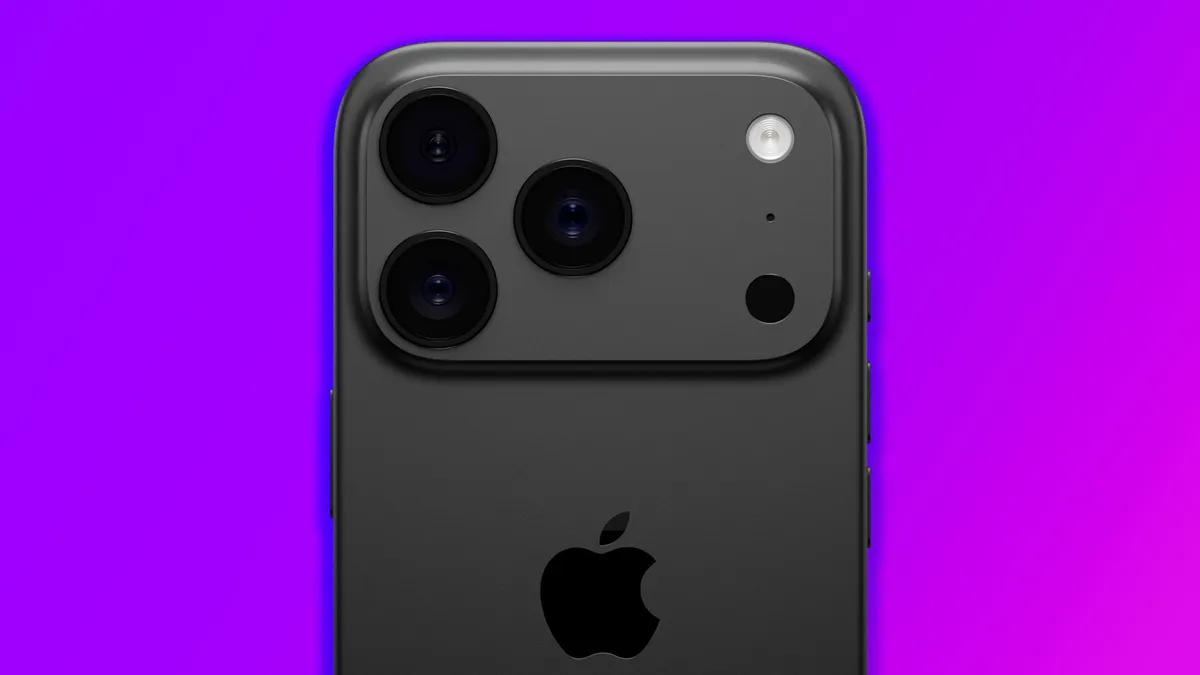
Before the recent developments, the use of smartphones in space missions was largely uncharted territory. NASA had traditionally relied on specialized equipment for capturing images and data during missions. However, with the launch of the iPhone 17 Pro Max, expectations shifted dramatically.
On April 6, 2026, during the Artemis II mission, astronaut Reid Wiseman made headlines by taking a photo of the lunar surface using an iPhone 17 Pro Max. This decisive moment not only showcased the capabilities of modern smartphones but also marked the first time NASA permitted astronauts to use the latest smartphones during a mission.
The photo, taken with an impressive 8x zoom, depicted the Chebyshev crater on the lunar surface. The Artemis II crew utilized four iPhone 17 Pro Max units onboard, highlighting a significant shift in how space agencies view technology integration in their missions.
Experts have noted that the combination of Apple’s latest A19 chip and substantial storage capacity positions the iPhone 17 Pro Max as a relevant tool for years to come. Stan Schroeder remarked, “The combination of having Apple’s latest chip and a decent amount of storage means this phone will be relevant for at least four to five years.” This perspective underscores the potential longevity of smartphone technology in space exploration.
Moreover, Jared Isaacman, a prominent figure in space travel, emphasized the importance of this development, stating, “NASA has allowed astronauts to ‘fly with the latest smartphones.'” This statement reflects a broader trend towards integrating consumer technology into professional settings, particularly in high-stakes environments like space.
NASA’s Johnson Space Center has also embraced this technological shift by sharing images from the mission on their Flickr account, making them accessible to the public. This move not only democratizes space imagery but also enhances public engagement with space exploration.
In addition to the advancements in space technology, the iPhone 17 series has made waves in the consumer market. Boost Infinite is offering the iPhone 17 for free with their ‘Infinite Access for iPhone’ plan, which costs $60 per month and includes unlimited talk, text, and data. This offer, which requires no trade-in, has attracted significant attention from consumers.
As the iPhone 17 Pro Max continues to gain traction, the implications for both space exploration and consumer technology are profound. Whether Wiseman’s photo from the livestream will be in the mix remains to be seen, but the impact of this mission on the perception of smartphones in space is already clear.
Details remain unconfirmed regarding the specific outcomes of this integration, but the initial reactions from the space community and technology experts suggest a promising future for the use of smartphones in similar missions.