









What the data shows
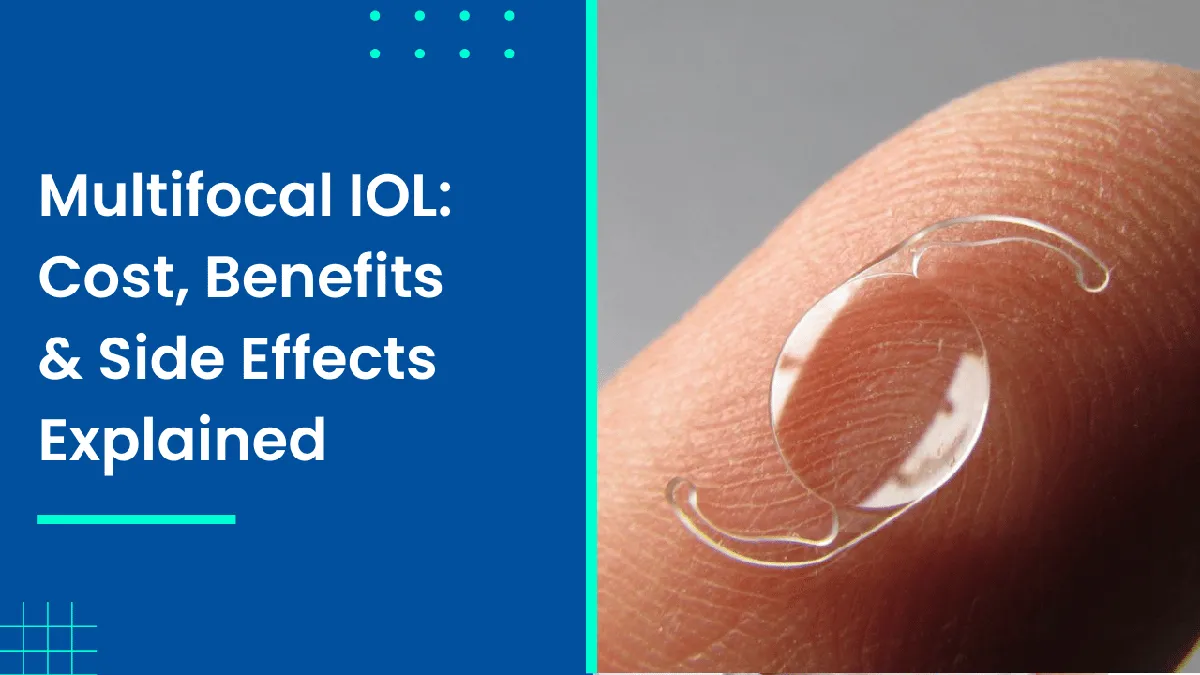
The recent developments in intraocular lenses (IOLs) raise an important question: How are innovations in IOL technology enhancing the surgical experience and outcomes for cataract patients? The answer lies in the introduction of advanced features like the TECNIS Odyssey IOL and the new monovision simulation offered by VirtuaLens.
VirtuaLens has launched a monovision simulation feature for its VR IOL simulator, allowing patients to experience how monovision may feel before undergoing surgery. This innovative approach helps patients make informed decisions about their vision correction options. The headset can be utilized by individuals with various ocular conditions, including astigmatism, cataract, hyperopia, myopia, and presbyopia, thus broadening its applicability.
On the other hand, the TECNIS Odyssey IOL, developed by Johnson & Johnson, is making significant strides in providing cataract patients with clear vision at every distance. According to reports, 93% of patients who received this IOL reported being free from glasses across all distances. This high percentage underscores the effectiveness of the TECNIS Odyssey IOL in minimizing dependence on corrective eyewear.
The TECNIS Odyssey IOL features a Freeform diffractive profile, which not only enhances visual clarity but also boosts surgeon confidence during implantation. Furthermore, 94% of users expressed overall satisfaction with their vision without glasses after using this IOL, indicating a strong positive reception among patients.
Burzin Shahana, a representative from Johnson & Johnson, stated, “The TECNIS Odyssey IOL addresses a significant unmet need for cataract patients seeking greater spectacle independence.” This highlights the growing demand for IOLs that can effectively reduce the reliance on glasses, a concern that many cataract patients share.
As the field of ophthalmology continues to evolve, the integration of virtual reality technology in the pre-surgical phase is a notable trend. The monovision feature from VirtuaLens allows patients to simulate their potential visual outcomes, which can lead to improved satisfaction and better surgical decisions.
Looking ahead, the ongoing advancements in IOL technology promise to further enhance patient outcomes. However, details remain unconfirmed regarding future updates or additional features that may be introduced by these companies. As research and development continue, the focus remains on improving the quality of life for cataract patients through innovative solutions.