









Prior to recent developments, there was growing concern among the Indian public regarding a potential lockdown due to rising global energy prices. Misinformation led to panic buying and long queues at petrol pumps, exacerbating fears about fuel availability.
In a decisive move, the Indian government announced significant cuts to fuel taxes. Petrol duties were reduced from 13 rupees to 3 rupees per litre, while the 10-rupee per litre duty on diesel was completely removed. This decision was made to protect consumers from the impact of escalating global energy costs.
Petroleum Minister Hardeep Singh Puri emphasized that rumors of an impending lockdown are “completely false,” stating, “Let me state this clearly — there is no such proposal under consideration by the government of India.” Home Minister Amit Shah further reassured the public, saying, “I want to assure everyone. Do not fear, nothing will happen. We have adequate reserves of petroleum products.”
Finance Minister Nirmala Sitharaman also dismissed claims of a lockdown as “baseless,” reinforcing the government’s stance that there are sufficient reserves to meet the country’s needs. Currently, India has two months of oil supplies and one month of LPG supplies available, with an additional two months of crude supplies already arranged.
The government’s proactive measures aim to stabilize the situation and restore public confidence. However, the initial panic caused by misinformation has highlighted the vulnerability of consumers in times of uncertainty.
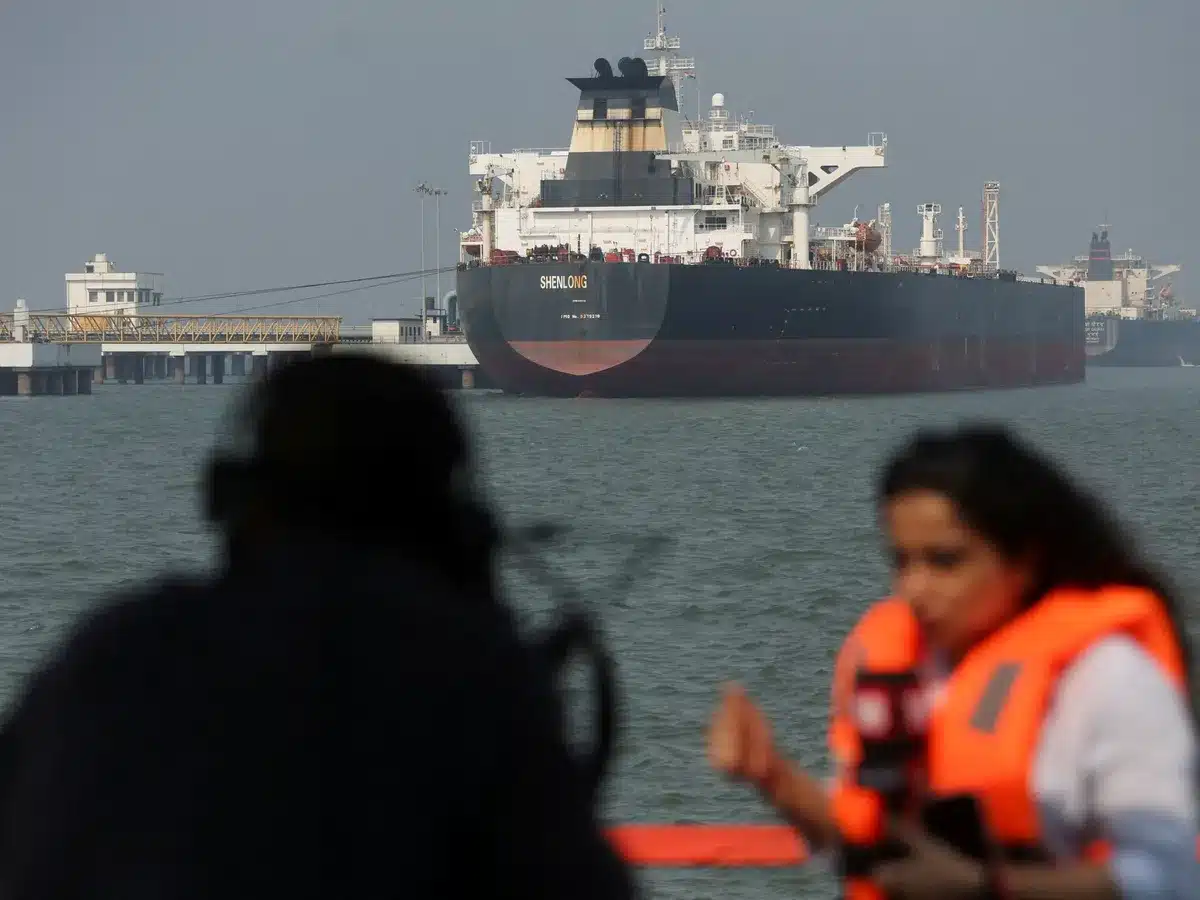
India, being the world’s third largest crude importer, relies heavily on imports, with 40 percent of crude coming via the Strait of Hormuz. The recent tax cuts are expected to result in an annualized fiscal hit of approximately 1.55 trillion rupees, but officials believe this is a necessary step to protect consumers.
In the wake of these developments, experts suggest that clear communication from government officials is crucial to prevent further panic and misinformation. The assurance of adequate petroleum reserves is intended to mitigate fears about energy supply disruptions.
As the situation evolves, the government continues to monitor the energy market closely, ensuring that measures are in place to support consumers and maintain stability in the fuel supply chain.
Details remain unconfirmed regarding any future policy changes, but the current focus remains on addressing consumer concerns and dispelling rumors of a lockdown.