









The wider picture
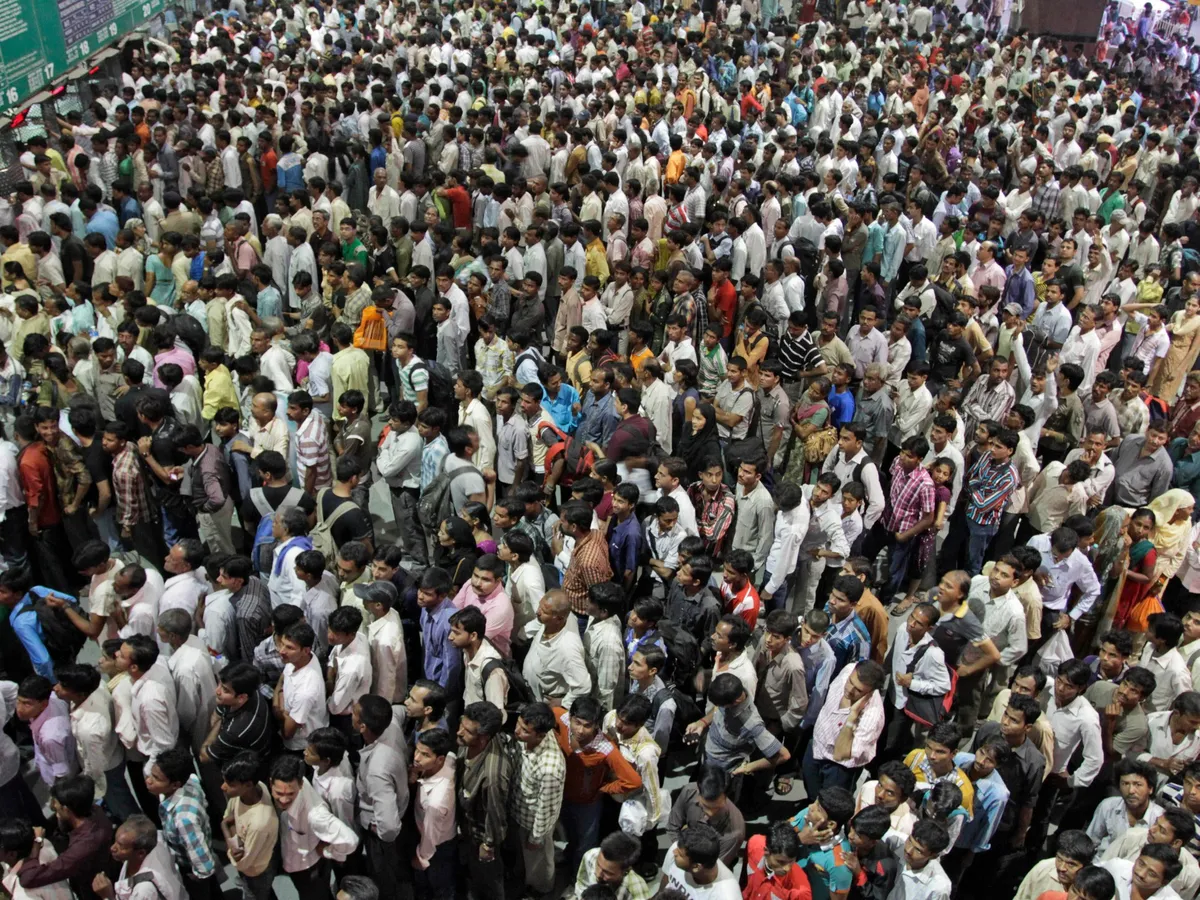
On April 1, 2026, India launched the world’s largest national population count, involving more than three million Indian officials. This monumental task is set to conclude on March 31, 2027, marking the first comprehensive census since 2011, when the population was recorded at 1.21 billion. Current estimates suggest that India’s population has now surpassed 1.4 billion, making it the most populous nation globally, having overtaken China in 2023, according to the United Nations Population Fund.
The significance of this census extends beyond mere numbers; it aims to gather detailed information about various social groups, including Dalits and Adivasis, who are classified as scheduled castes and scheduled tribes. The last time such detailed caste information was collected was in 1931 during British colonial rule. Caste remains a critical aspect of social hierarchy in India, influencing access to resources, education, and economic opportunities.
Supporters of the census argue that it is essential for identifying those who deserve government assistance, particularly in a country striving for greater social equity. However, critics contend that caste should not play a role in a nation with aspirations of becoming a significant global power. This ongoing debate highlights the complexities of India’s social fabric and the challenges of addressing historical inequalities.
In addition to the census, India is navigating significant geopolitical developments. The India-Middle East-Europe Economic Corridor (IMEC) is designed to connect Indian industrial capacity to European markets through the United Arab Emirates, Saudi Arabia, Jordan, and Israel. This corridor is expected to enhance trade and economic ties, particularly as India imports half of its crude oil from the Gulf region.
Recent geopolitical tensions, including the closure of the Strait of Hormuz, have driven import costs to levels that exacerbate India’s already strained fiscal position. The remittance flows from Gulf economies are also crucial for India’s current account, underscoring the interconnectedness of its economy with the region.
As the census progresses, Indian officials are expected to face challenges in ensuring accuracy and inclusivity in data collection. The outcome of this census could have far-reaching implications for policy-making and resource allocation, particularly for marginalized communities. Observers are keenly watching how the data will be utilized and whether it will lead to meaningful changes in government assistance programs.
In summary, the commencement of the census represents a pivotal moment for India, as it seeks to address both its demographic complexities and its economic aspirations on the global stage. The results will likely influence various sectors, from social policy to international trade, shaping the future trajectory of the nation.