







What observers say
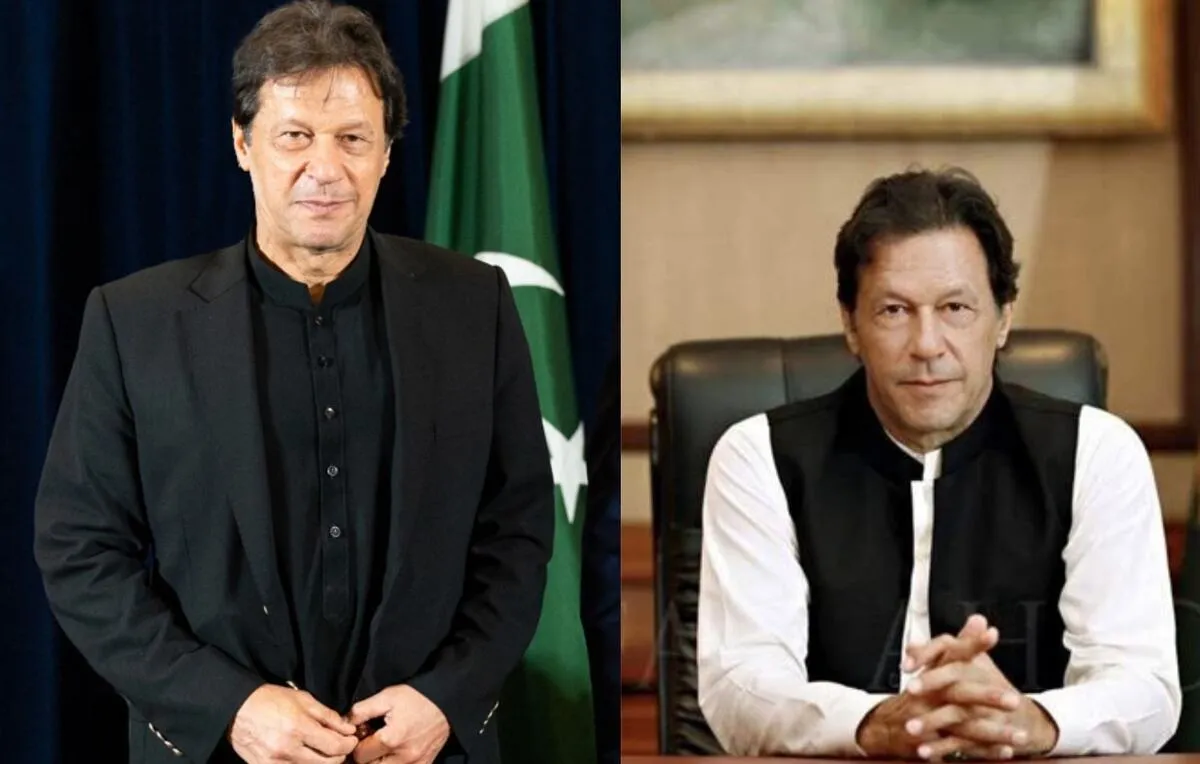
“We remained there till 4:30pm and finally decided to return,” stated Seemabia Tahir, a member of the Pakistan Tehreek-e-Insaf (PTI) party, after her attempt to meet Imran Khan at Adiala jail was thwarted. Despite being on a submitted list, PTI leaders were denied access to Khan, who has been in solitary confinement for the last five months.
The Islamabad High Court had previously allowed Khan to meet family members, lawyers, and other associates twice a week, but these meetings have been limited. His last reported meeting took place on February 10 with his lawyer Salman Safdar. The ongoing restrictions have raised concerns among his supporters and family, who allege that his treatment is a violation of both national and international laws.
Imran Khan’s situation has drawn significant attention, particularly as he has reportedly lost 85 percent of vision in one eye during his confinement. His family and PTI officials have expressed alarm over the conditions he is enduring, describing them as punitive and unjust.
In addition to the concerns surrounding Khan’s health and confinement, the PTI has also criticized the recent increase in liquefied petroleum gas (LPG) prices. Sheikh Waqas Akram, a PTI leader, remarked, “Increasing LPG prices at a time when people are already suffering from rising electricity, gas, and food costs will make life more difficult.” This statement reflects the party’s broader stance on economic issues affecting the populace.
PTI has labeled the LPG price hike as anti-people and unjust, further fueling their campaign against the current government’s policies. The party’s leadership argues that such increases disproportionately impact the lower and middle classes, who are already grappling with economic hardships.
Seemabia Tahir emphasized the gravity of Khan’s situation, stating, “Imran has been in solitary confinement for the last five months and it is a violation of national and international laws.” This assertion highlights the ongoing debate about the treatment of political figures in Pakistan and the implications for human rights.
As the political landscape in Pakistan continues to evolve, observers are closely monitoring the developments surrounding Imran Khan and the PTI. The party’s criticisms of government policies, particularly concerning economic issues, are likely to resonate with the public as they navigate rising costs and political uncertainty.
Details remain unconfirmed regarding the next steps for Imran Khan and the PTI, but the party’s leadership is expected to continue advocating for his rights and addressing the economic challenges facing the nation.