








What does the recent election in Hungary signify for the future of the country’s political landscape? The answer is clear: Péter Magyar’s victory over Viktor Orbán marks the end of 16 years of Orbán’s rule, signaling a potential shift towards a more democratic governance.
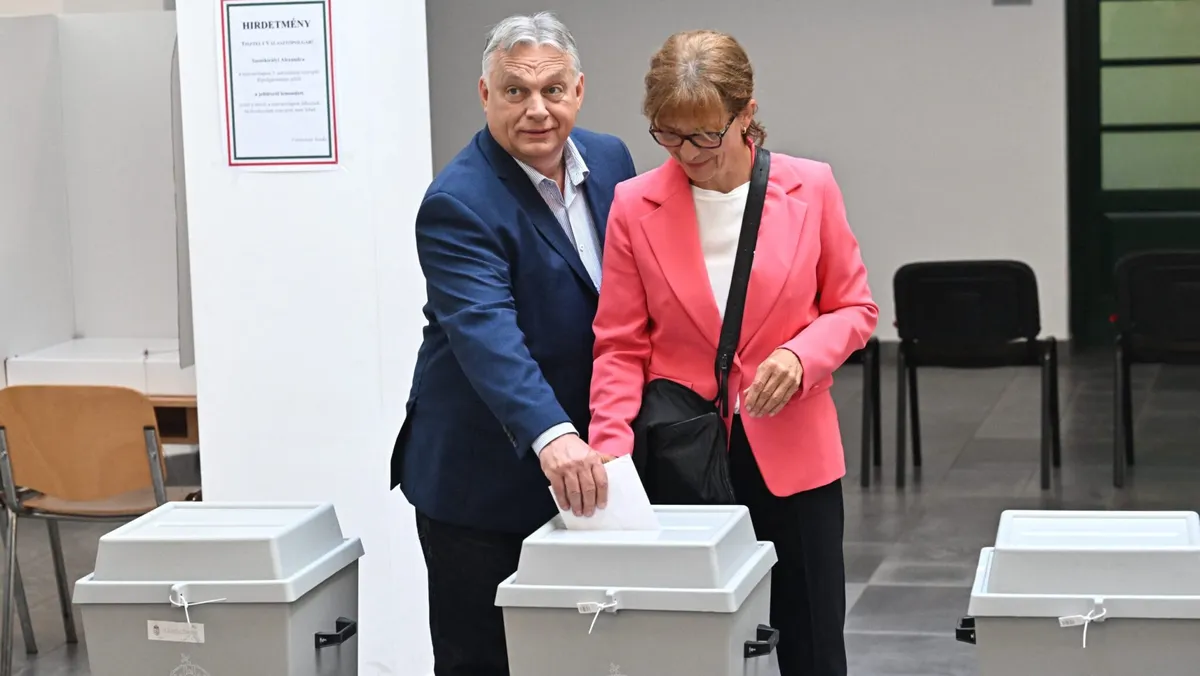
In the election held on April 13, 2026, Magyar’s Tisza Party secured at least 138 of the 199 parliamentary seats, achieving a two-thirds supermajority. This significant win was underscored by a remarkable voter turnout that exceeded 74%, breaking previous records. Orbán conceded defeat immediately after the results were announced, acknowledging the shift in power.
Viktor Orbán’s tenure has been characterized by allegations of corruption and quasi-authoritarianism, with Hungary being ranked the most corrupt nation in Europe in 2025. His government, which had been in power since 2010, faced criticism for implementing policies that led to significant economic mismanagement, particularly following Russia’s invasion of Ukraine in 2022. Under his leadership, Hungary’s economy struggled with rampant inflation and stagnation, and Orbán’s pro-Kremlin stance often obstructed EU aid to Ukraine.
Magyar’s victory is viewed as a significant shift towards democracy in Hungary. He has promised to restore the rule of law and repair relations with the European Union and NATO, which were strained under Orbán’s administration. This election result is not only pivotal for Hungary but is also seen as a setback for right-wing populism globally, as noted by political analysts.
Political observers have highlighted the importance of this election, with Zsuzsanna Szelényi stating, “Even entrenched illiberal regimes are not invincible.” Nathalie Tocci added, “This is a victory for liberalism in the world,” emphasizing the broader implications of Magyar’s win. Cas Mudde remarked, “No far-right leader can fill his shoes,” indicating the challenges that lie ahead for right-wing populism in Europe.
As Hungary moves forward, the focus will be on how Magyar implements his promised reforms and whether he can navigate the complex political landscape left by Orbán. The election results have raised hopes for a more democratic and transparent governance, but the path ahead remains uncertain. Details remain unconfirmed regarding the specific policies Magyar will pursue and how they will impact Hungary’s relations with both the EU and Russia.
In summary, the recent election in Hungary represents a significant turning point in the nation’s political history, with Péter Magyar’s victory over Viktor Orbán potentially reshaping the future of democracy in the country.