








Significant Impact on Maritime Traffic
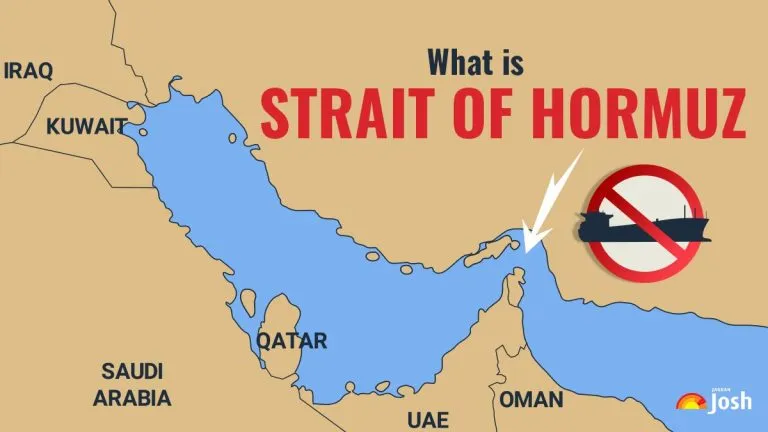
The Strait of Hormuz remains a focal point of global maritime traffic, with Iran’s Revolutionary Guards asserting that it will remain open. However, they have issued a stark warning, stating that any U.S. or Israeli vessel attempting to transit the strait will be targeted. This declaration has raised alarms about the safety of maritime operations in this crucial corridor.
Recent Developments
On March 4, the situation escalated as no tankers transited the Strait of Hormuz, a dramatic drop from the typical flow of over 60 ships. This halt in maritime activity underscores the growing tensions in the region and the potential risks to global oil supplies.
Global Oil Dependency
Approximately 20% of the world’s oil passes through the Strait of Hormuz, with about 20 million barrels flowing through daily. The energy trade that relies on this corridor was valued at roughly $600 billion in 2025, highlighting its critical importance to the global economy.
Legal Framework
The UN Convention on the Law of the Sea (UNCLOS) stipulates that countries bordering straits should not hinder transit passage. Article 44 emphasizes the obligation to provide information about any dangers to navigation, which adds a layer of complexity to the current situation.
Statements from Officials
Industry Concerns
Gene Seroka, a prominent industry figure, expressed concerns about the current climate, stating, “I don’t see any appetite to move cargo and put crew and assets in harm’s way.” This sentiment is echoed by many in the shipping industry as they assess the risks associated with navigating the strait.
As the situation develops, the implications for global oil supply and maritime safety remain uncertain. The potential for further escalations could lead to more significant disruptions in one of the world’s most vital shipping lanes. Details remain unconfirmed.