








Who is involved
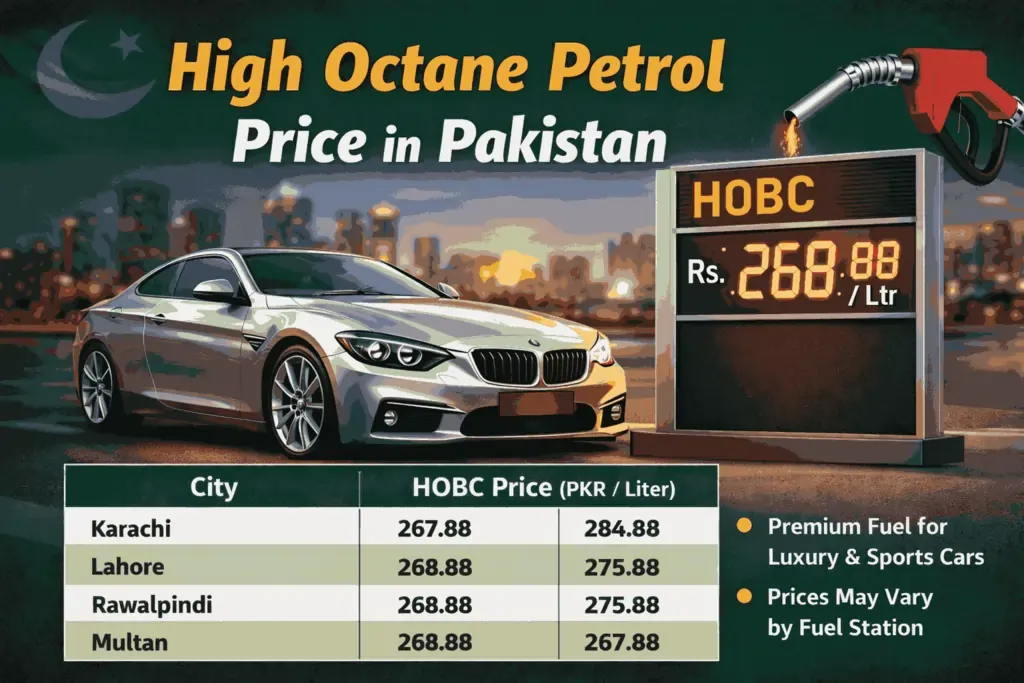
In March 2026, the government of Pakistan made a decisive move to raise the price of high-octane fuel by 200%, increasing it from PKR 100 to PKR 300 per litre. This decision was approved by Prime Minister Shehbaz Sharif during a high-level meeting, reflecting the government’s response to ongoing economic pressures and the volatility of global oil prices.
Prior to this development, the expectation among consumers was that fuel prices would stabilize following a previous increase in petrol prices earlier in the month. On March 1, petrol prices were raised by PKR 55 per litre, bringing the cost from PKR 266.17 to PKR 321.17. Diesel prices also saw a rise from PKR 280.86 to PKR 335.86 per litre, indicating a trend of increasing fuel costs that was already affecting the economy.
The immediate effects of this significant increase in high-octane fuel prices are primarily felt by owners of luxury vehicles, as the new levy specifically targets high-octane fuel used in these automobiles. However, the government has stated that this increase will not directly impact public transport fares or air travel costs, providing some relief to ordinary commuters. This decision aims to manage rising fuel costs amid global oil price volatility, which has been exacerbated by the ongoing global energy crisis.
Experts suggest that the increase in high-octane fuel prices is part of broader austerity efforts by the government, which is currently working with the International Monetary Fund (IMF) and facing inflation pressures. The government expects that the new high-octane tax will generate approximately PKR 9 billion monthly, funds that are earmarked for public relief programs. This financial strategy is crucial as the country navigates through economic challenges.
Moreover, the rising costs of jet fuel have led to increased domestic flight ticket prices, which have surged by PKR 2,800 to PKR 5,000. International flight fares have also risen significantly, with some routes seeing increases of up to PKR 15,000. These changes highlight the interconnectedness of fuel prices and the broader travel and transportation sectors.
The decision to raise high-octane fuel prices has drawn mixed reactions from the public and industry stakeholders. While some acknowledge the necessity of such measures in light of global economic conditions, others express concern over the burden it places on consumers, particularly those who rely on luxury vehicles. The government’s assurance that public transport fares will remain unaffected is a critical factor in mitigating public dissent.
As the situation develops, the government’s approach to managing fuel prices will be closely monitored by both consumers and economic analysts. The implications of this price hike extend beyond immediate financial impacts, influencing consumer behavior, transportation costs, and overall economic stability in Pakistan. Details remain unconfirmed regarding the long-term effects of this policy shift, but the government’s strategy appears focused on balancing economic pressures with public needs.