









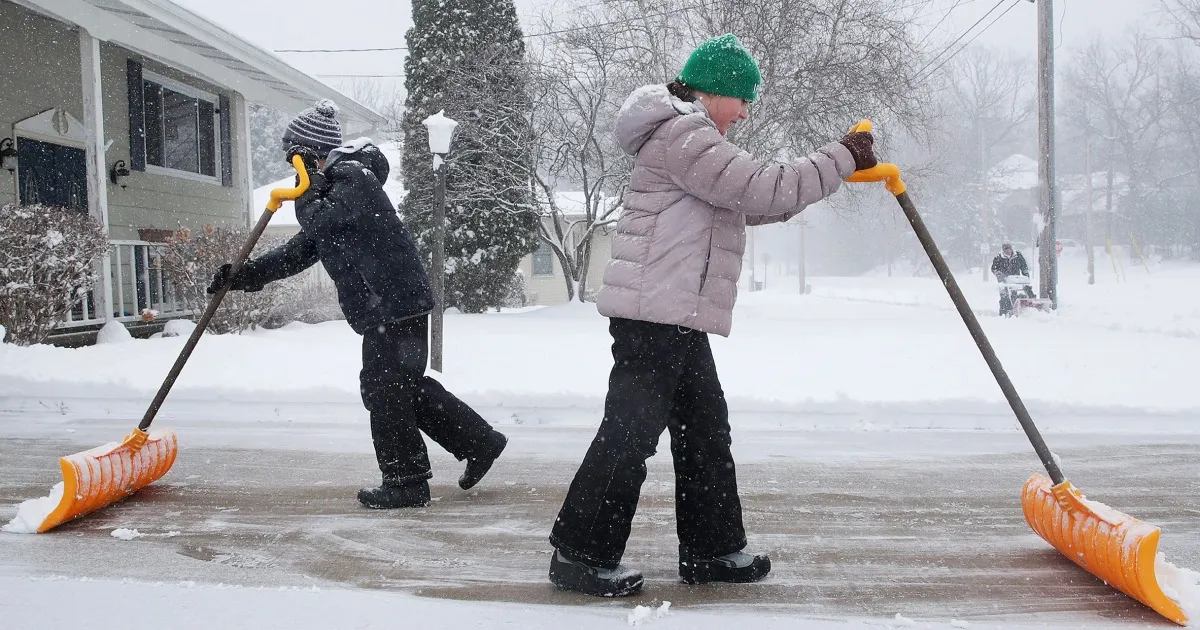
More than 30 million people are currently under winter alerts, including blizzard warnings in Michigan, as a major winter storm sweeps through the Upper Midwest and upper Great Lakes region. The storm has already left over 129,000 customers without power in the Upper Midwest.
Milwaukee County, Wisconsin, has declared a snow emergency due to the blizzard warning, with County Executive David Crowley stating, “Travel is not advised and will be difficult throughout this weather event.” This warning highlights the severe conditions expected as the storm progresses.
The National Weather Service has issued a heavy snow warning for parts of New York, Vermont, and Maine, forecasting up to 10 inches of snow in higher elevations and northern corridors. In addition, areas from eastern Iowa into Michigan are expected to receive between 6 to 12 inches of snow.
Forecasters warn that the combination of rapid accumulation and gusty winds, with gusts reaching up to 75 mph, will significantly reduce visibility, creating life-threatening conditions for those on the road. This could pose serious risks for motorists and emergency responders alike.
As the storm continues to move eastward, more than 120 million people are under wind alerts from the Mississippi Valley into New England, with approximately 60 million at risk for severe storms from northern Florida to New York state.
In Wisconsin alone, around 13,000 customers are currently without power, reflecting the storm’s impact on infrastructure. The situation is expected to evolve as the storm progresses, with additional areas likely to experience power outages and hazardous travel conditions.
The weather trajectory indicates that the most severe impacts will be felt across the Northeast and parts of the Pacific Northwest. Observers are closely monitoring the situation as conditions develop.
Details remain unconfirmed regarding the full extent of the storm’s impact, but authorities are urging residents in affected areas to prepare for potential emergencies and to stay informed through local weather updates.