









Introduction
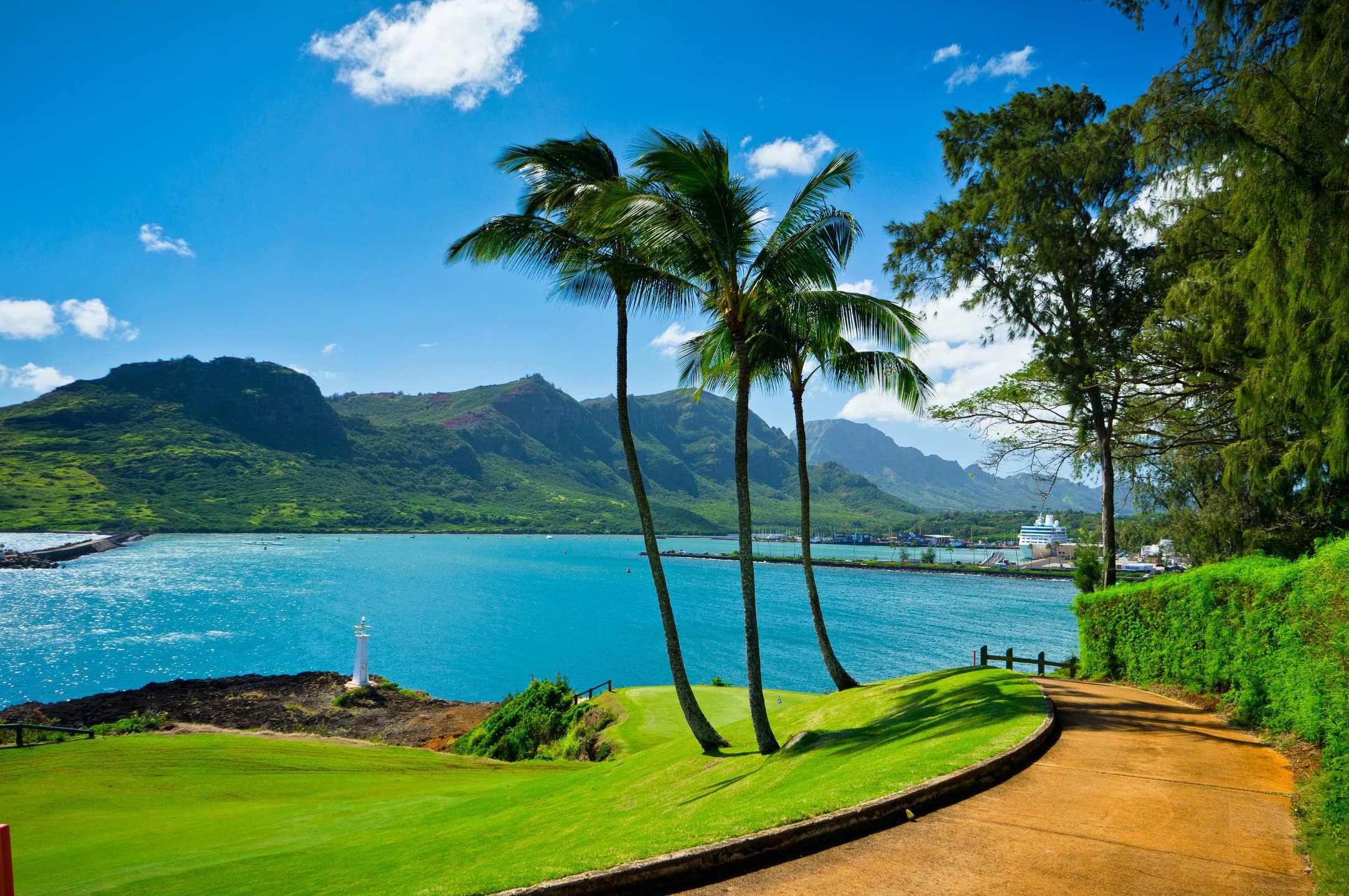
Hawaii, known for its breathtaking landscapes and rich cultural history, is facing various challenges and developments in recent times. As a popular travel destination, the islands boast diverse ecosystems, vibrant traditions, and unique social issues that are shaping the future of the state. Understanding Hawaii’s current events is essential for both locals and travelers seeking to appreciate the islands beyond their stunning vistas.
Recent Developments in Hawaii
In devastating news, Hawaii has been grappling with the aftermath of the wildfires that ravaged parts of Lahaina, Maui in August 2023. These fires were amongst the deadliest in over a century, resulting in significant loss of life and displacing thousands of residents. Recovery efforts are ongoing, with local government and non-profits working to support affected families and begin the long process of rebuilding.
In addition to the wildfire crisis, Hawaii is also witnessing a surge in its tourism sector. As travel restrictions have eased globally, the islands have seen a significant influx of visitors eager to explore the unique natural beauty and cultural heritage. However, this tourism rebound poses challenges concerning overpopulation in popular areas, leading to discussions on sustainable tourism practices.
Cultural Significance and Environmental Challenges
The cultural heritage of Hawaii, encompassing various traditions from hula dancing to local cuisine, continues to thrive and attract interest. Institutions, such as the Bishop Museum, are actively promoting Hawaii’s history and culture, providing visitors with enriching experiences. Efforts have been made to incorporate local narratives and perspectives in tourism to ensure a respectful engagement with Native Hawaiian culture.
On the environmental front, Hawaii faces significant challenges due to climate change, including rising sea levels and coral bleaching. State officials and local organisations are making strides in conservation efforts, aiming to protect Hawaii’s unique ecosystems, such as the endangered monk seal and the biodiversity of the reef systems. Initiatives like ‘Malama Hawaii’ encourage residents and visitors alike to contribute to environmental sustainability.
Conclusion
As Hawaii navigates the complexities of recovery from natural disasters and the impacts of tourism, it becomes increasingly important for both residents and visitors to engage with the islands’ cultural and environmental issues. Advocating for sustainable practices and supporting local communities can ensure that Hawaii remains a treasured paradise for generations to come. The resilience of the people of Hawaii, coupled with awareness of social and environmental considerations, will shape the future landscape of this beautiful state, making it imperative for all involved to prioritise the well-being of both the people and the land.