









Introduction
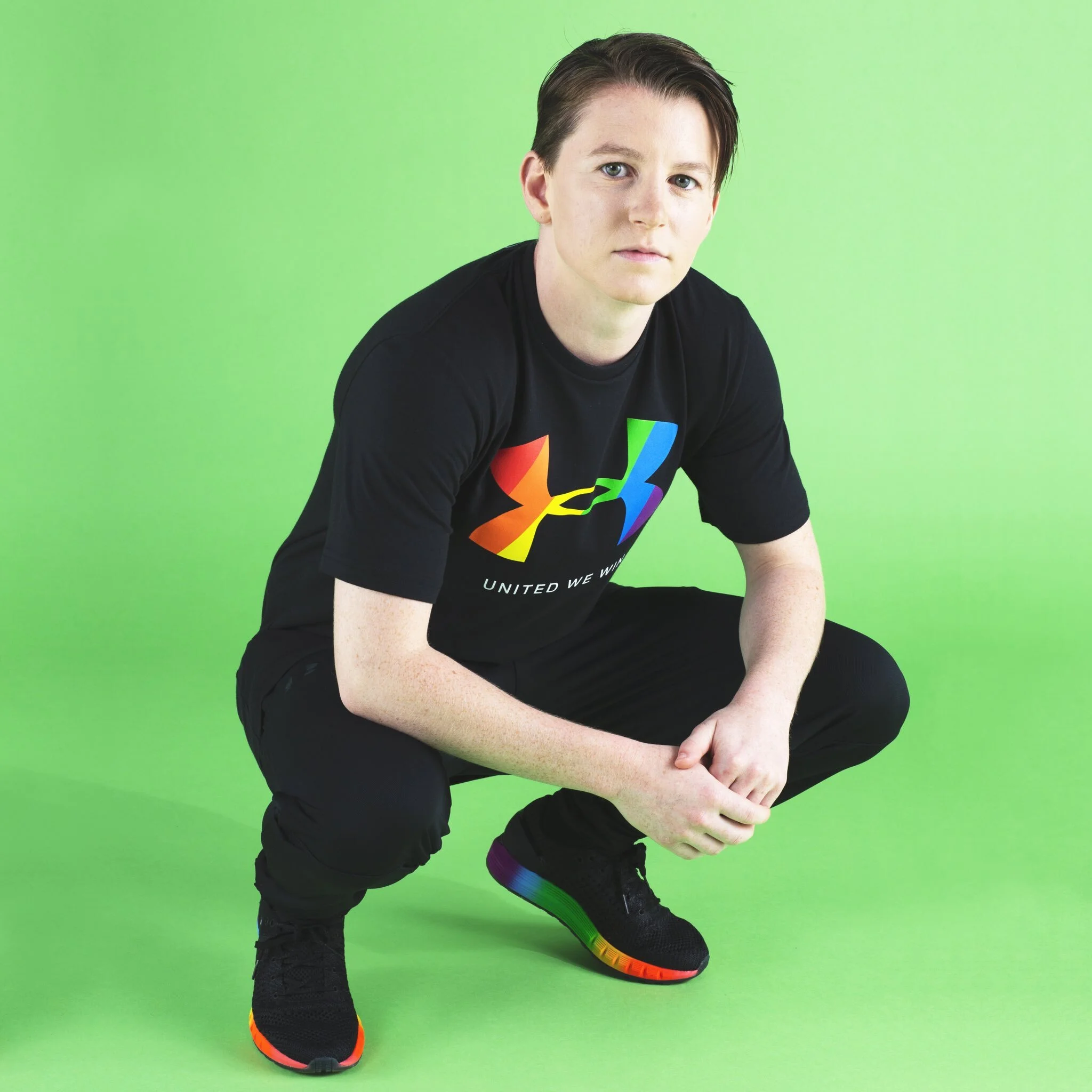
Harrison Browne, a former professional ice hockey player, has become a prominent figure as an advocate for transgender rights in sports. His journey is significant not only for his athletic achievements but also for the message of acceptance and visibility he brings to the LGBTQ+ community. Browne’s story resonates more than ever as discussions around inclusivity in sports gather momentum worldwide.
Harrison’s Athletic Career
Browne was born in 1993 and began playing hockey at a young age. He played for various teams throughout his career, including the NCAA and the Canadian Women’s Hockey League (CWHL). In 2016, he became the first openly transgender male athlete to compete in a professional women’s hockey league. His candidness about his identity while competing against women has since sparked further conversations surrounding gender identity in sports.
Advocacy and Impact
Post retirement, Browne has dedicated himself to advocacy work, aiming to increase inclusivity and support for transgender athletes. In media interviews and public appearances, he highlights the importance of understanding and acceptance within sports environments. He argues that every individual should have the opportunity to participate in sports irrespective of their gender identity, urging for policy reform within various sports organisations.
Browne’s advocacy is also linked to larger societal changes. In recent months, there has been increased awareness around transgender issues, with various sports bodies reviewing their policies to create a more inclusive framework. Browne’s experiences are instrumental in illustrating the importance of these policy shifts, leading to wider dialogue on acceptance and equality.
Conclusion
Harrison Browne’s contribution to sports transcends his achievements on the ice. As a trailblazer for transgender athletes, he has opened doors for future generations to express their identities in the sporting arena. With increasing visibility of transgender issues in sports, Browne’s advocacy highlights the necessity for ongoing conversations about inclusivity. The momentum he has generated is hopeful, suggesting a future where all athletes are encouraged to participate openly and authentically, paving the way for a more equitable sporting world.