






How it unfolded
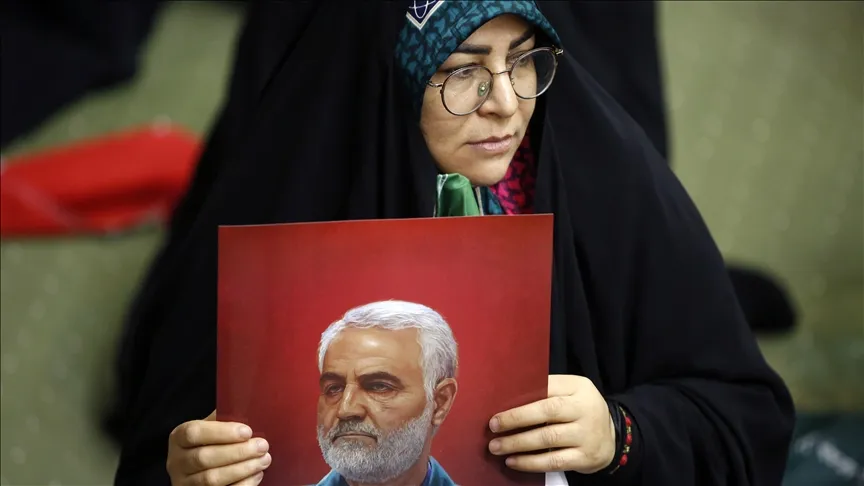
On April 4, 2026, Hamideh Soleimani Afshar, the niece of the late Iranian General Qassem Soleimani, was arrested by U.S. Immigration and Customs Enforcement (ICE) in Los Angeles. This incident occurred shortly after her green card was revoked, a move that has sparked significant controversy and debate regarding her ties to the Iranian regime.
The U.S. State Department has claimed that Afshar is an outspoken supporter of the Iranian government, which has raised concerns among U.S. officials. Secretary of State Marco Rubio stated that Afshar had celebrated attacks on Americans, further intensifying the scrutiny surrounding her and her family. Reports indicated that Afshar and her daughter were living a “lavish lifestyle” in the United States, which has drawn criticism and suspicion from various quarters.
In the wake of the arrests, the Soleimani family has vehemently denied any connection to Afshar and her daughter. Zeinab Soleimani, a family member, labeled the U.S. State Department’s claims as false, asserting that those arrested have no ties to the Soleimani family. Narjes Soleimani also emphasized that no member of their family has ever resided in the United States, countering the allegations made by U.S. officials.
These arrests are part of a broader U.S. campaign aimed at Iranian nationals believed to have connections to the regime. The U.S. government has been increasingly vigilant in its efforts to monitor and restrict the activities of individuals with alleged ties to Iran, particularly following the assassination of Qassem Soleimani in a U.S. drone strike in January 2020.
Afshar’s husband has also been barred from entering the United States, adding to the family’s challenges amid these developments. The situation has raised questions about the U.S. immigration policies concerning individuals linked to foreign regimes, particularly those deemed hostile to American interests.
The implications of this sequence of events are significant for those involved. For Afshar and her family, the arrests represent a critical juncture that could affect their future in the United States. For U.S. officials, this incident underscores the ongoing tensions between the U.S. and Iran, particularly in the context of immigration and national security.
As the situation unfolds, details remain unconfirmed regarding the full extent of the allegations against Afshar and her family. The ongoing dialogue surrounding this case highlights the complexities of U.S.-Iran relations and the challenges faced by individuals caught in the crossfire of geopolitical tensions.